Feeds:
Posts
Comments

Archive for the ‘Earthquake’ Category

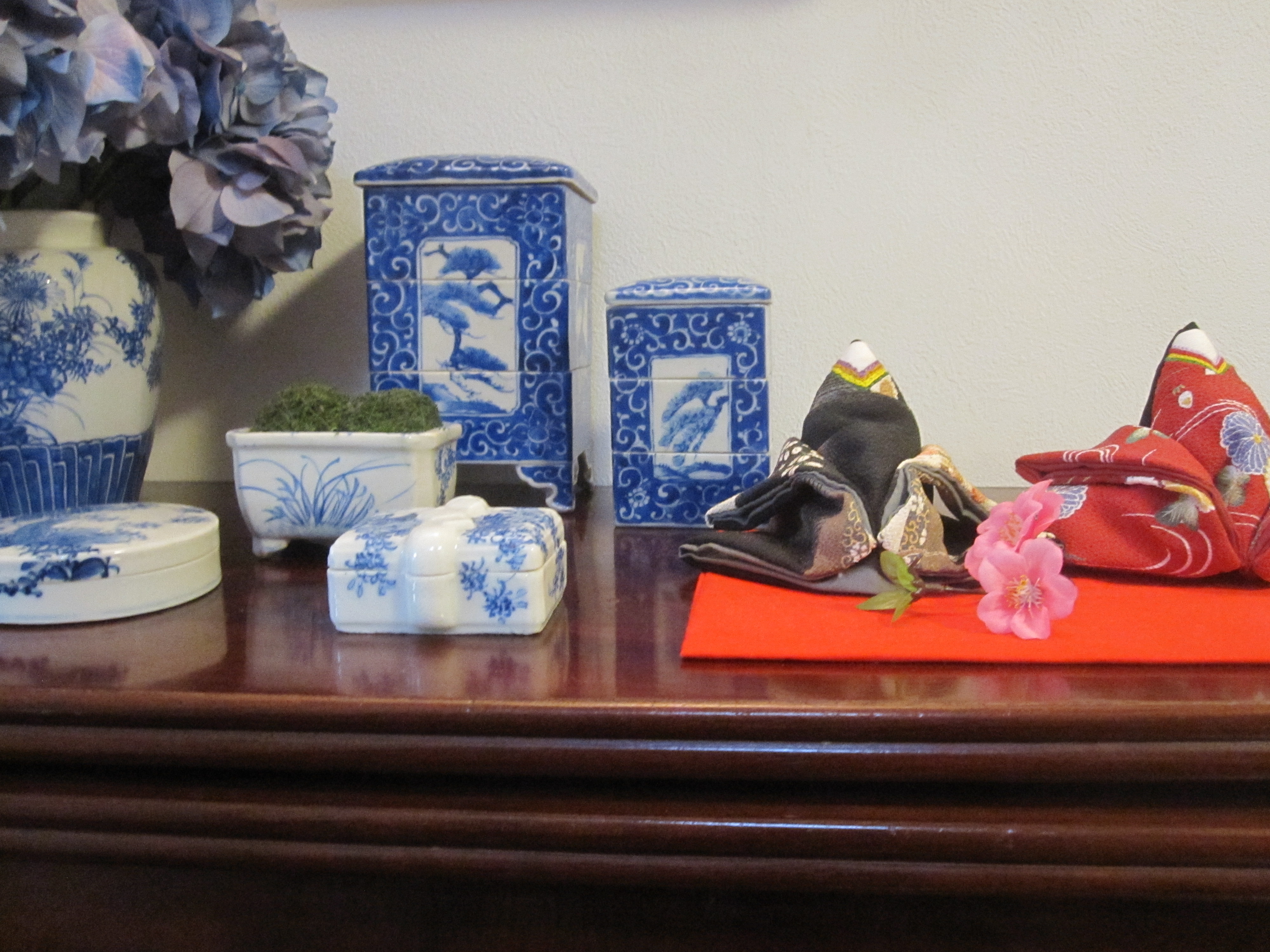
IMG_0654

In my recent post about jubako, I mentioned that there was quite a story to tell about the soft cloth dolls displayed next to the porcelain in the photo above. As the second anniversary of the Great Japan Earthquake approaches and this Sunday, March 3 is Hinamatsuri, Doll’s Festival or Girl’s Day, I think now is the perfect moment to tell it.

Hinamatsuri is a festival that celebrates the healthy and happy growth of girls. Families with daughters everywhere set up very large traditional displays, with the hina-ningyo (dolls) placed along a red felt covered tiered stand with the Emperor and Empress at the top and the other dolls placed progressively lower based on their hierarchy. The dolls wear costumes of the Imperial Court during the Heian period (794-1192). Realistic furniture, lanterns and toy food complete the display and golden byobu (screens) provide a backdrop just like the real Imperial throne of the ancient court.
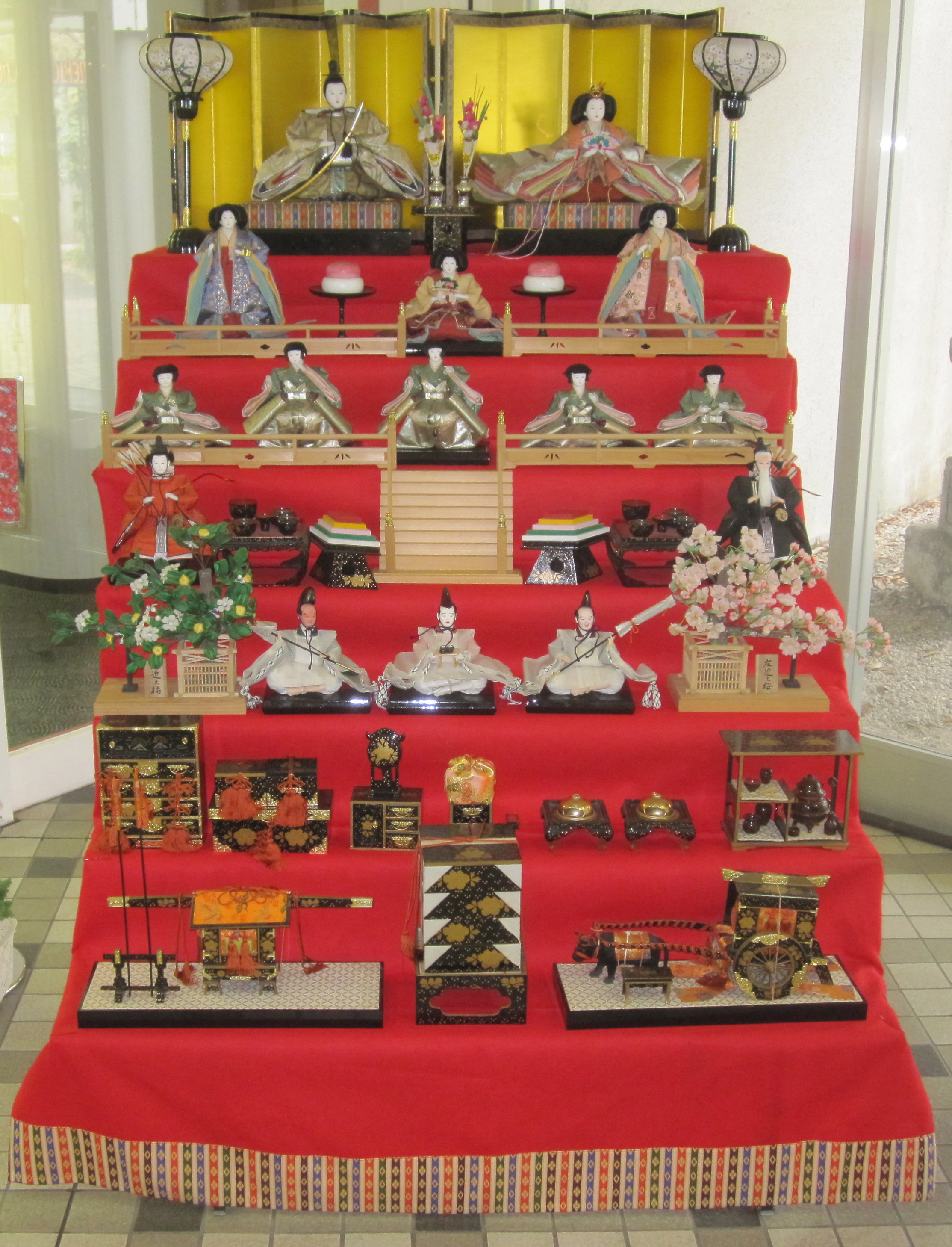
hinamatsuri

Charming miniature two doll displays are also very common as not everyone has room for a full display. The small peach blossoms are always included as it can also be referred to as Momo no Sekku, or Peach Festival, based on its seasonal calendar date.

tinyhinamatsuri

These huge displays are very expensive to purchase and I am always amazed when I see families buying them new as I come across them at shrine sales all the time. I have to keep myself from buying them as they are so adorable. A little tip – they are great candidates for Western style repurposing as they make really unusual doll house furniture – great gifts for friends back home.

hinamatsuri furniture at shrine sale

Last year around this time – actually a bit later in March – my daughters and I, along with some friends, traveled up to Tohoku in Northern Japan to volunteer with a great grassroots organization called It’s Not Just Mud. Headquartered in a few partially destroyed houses, with little electricity and no heat, it was quite an experience for us as we had never suffered such a level of discomfort before. Just realizing that people had been living like this for over a year was an incredible eye opener.

its not just mud P cold

INJM makes it very easy to come and volunteer and they run a number of service projects that range from heavy labor (rebuilding playgrounds) to lighter but no less important social work.  We were lucky to be involved in the launching of their ‘Tsuna Cafe,’ in which informal tea parties were organized in the communal space of the “temporary” housing complexes (which look more semi-permanent by the day). The parties are a chance for residents to communicate with each other and meet volunteers who bring cheer and friendship.  One of the post-tragedies of the earthquake and tsunami is that village and neighborhood links were lost as residents were assigned to housing units on an ad-hoc basis. No attempts were made to keep communities together and the majority of those unable to rebuild or move elsewhere are quite elderly.
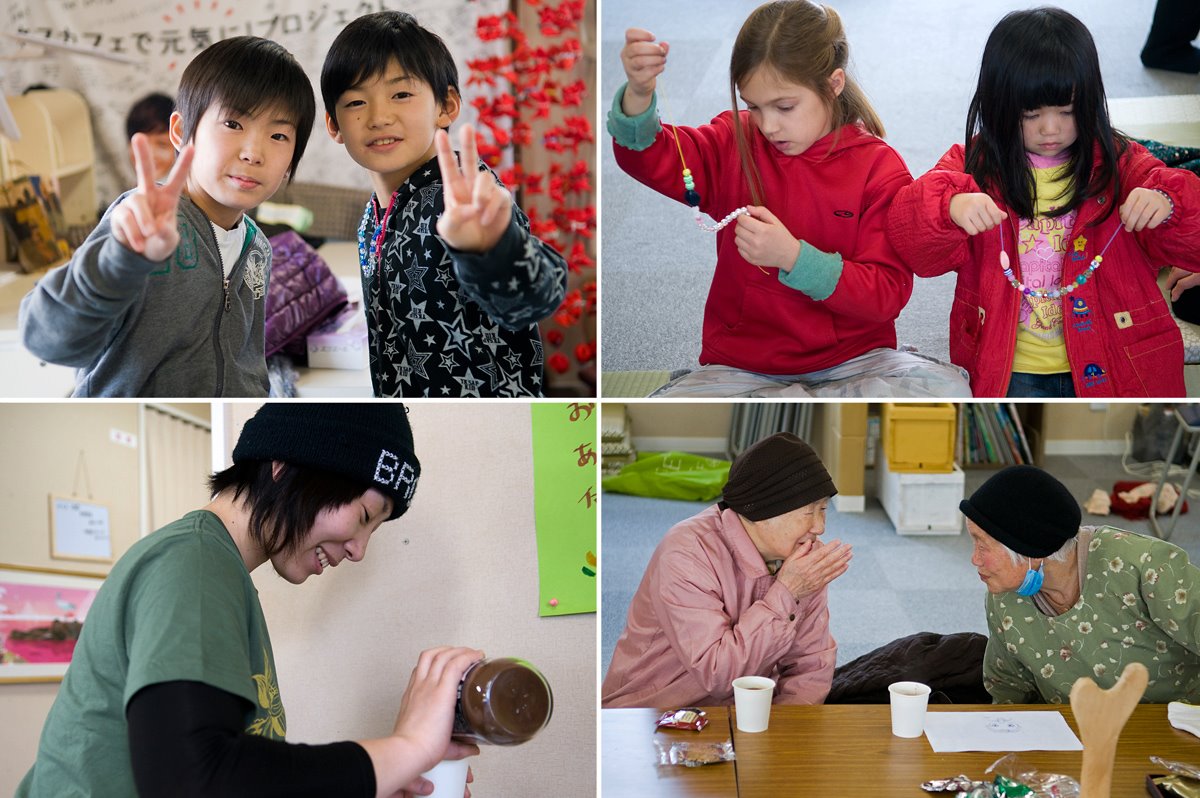
tsuna cafe photos

As this was one of the first times the Tsuna Cafe was being held, the kids went around to all the units and rang door bells and distributed flyers announcing the party. My younger daughter, who was 8 at the time, rang one bell, but as no one was home, she began to walk away. A woman opened the window and beckoned for her to come over. She handed her the flyer and the woman gave her a bag of small bean paste filled donuts and told her that she had very beautiful eyebrows – which happens to be true. She thought no more about it.

We assembled for the tea party, putting out snacks and getting ready to use our best Japanese. My elder daughter had made many friendship bracelets in advance, expecting the children to want them. Ironically, many of the older women were clamoring for them!

friendship bracelets at the Tsuna Cafe

After a while, an elderly woman came in carrying a paper bag and approached my younger daughter. It was the same woman who had complimented her eyebrows! She opened the bag and took out what appeared to be folded cloth. Her Japanese was so colloquial that we couldn’t begin to understand her so one of the very fluent volunteers came to help translate.

hinamatsuri in tohoku

Basically, she told us how after the war, when everything was destroyed and she had nothing, an American soldier gave her an American doll and that changed everything in her life because she had something to play with and love. She never forgot this moment of kindness and sewed these small fabric Hinamatsuri dolls many, many years ago, with a plan in mind to give the Japanese dolls in turn to an American child. She had been waiting and waiting for the right child to come along. As she presented them to my daughter – we were all crying by now – my sweet little one said “Mommy, it’s a miracle!”
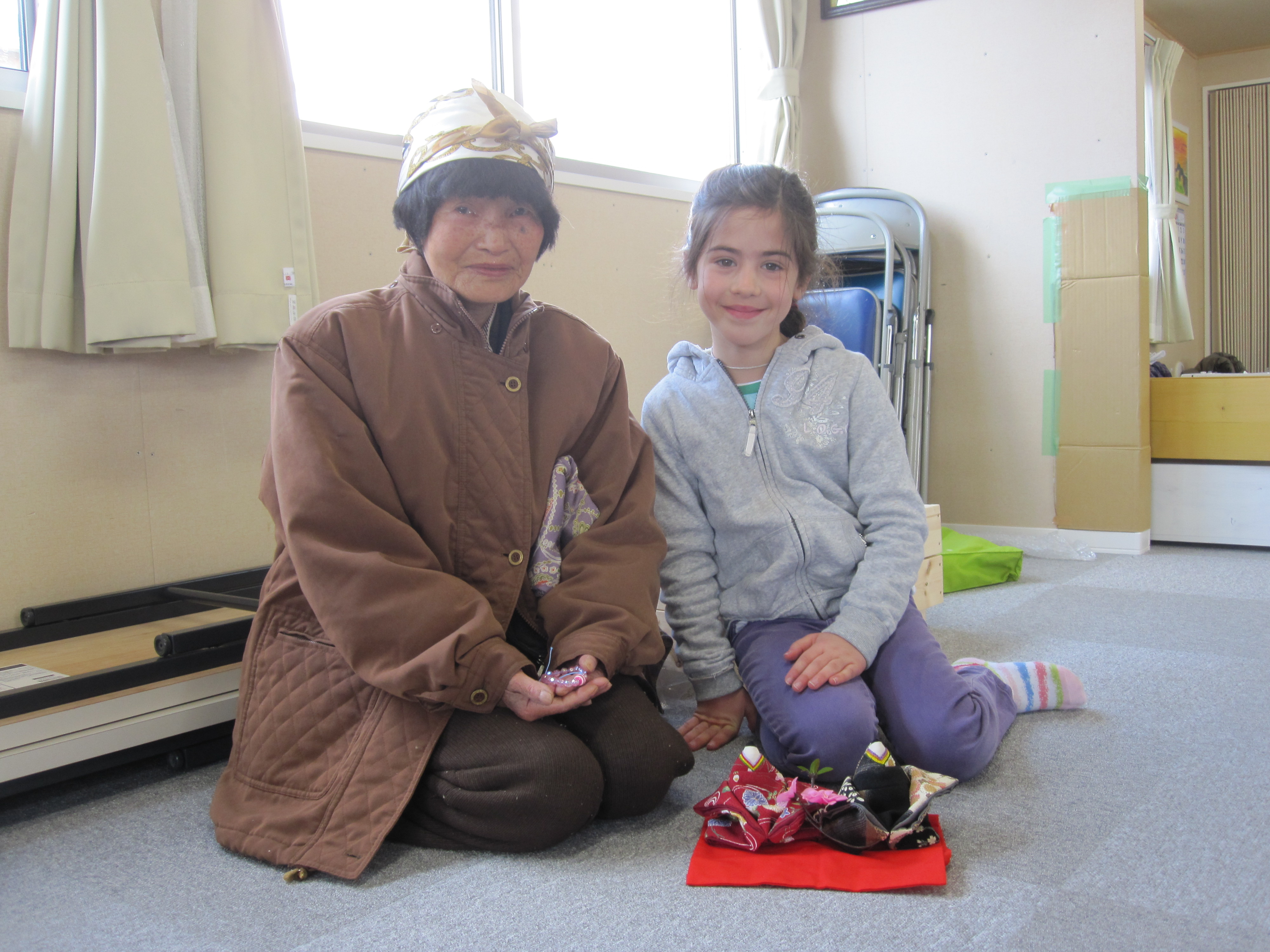
IMG_5842

Somehow, in all the excitement and bustle we never got her name. But my daughter will have those dolls and that memory forever.

We are hoping to go up again this spring and perhaps we can find the doll lady. Please remember that the work here in Northern Japan is nowhere near done, even though it has faded from the news. And for a small organization like It’s Just Not Mud, every donation helps.  For more information on volunteering, please click here. For more information on making a donation, please click here.

Related Posts:
The Porcelain is Alright (Kids Too)…My Tale of the Big Japan Earthquake
Hands On Tokyo…A Taste for Volunteering 2012
About these ads

Read Full Post »

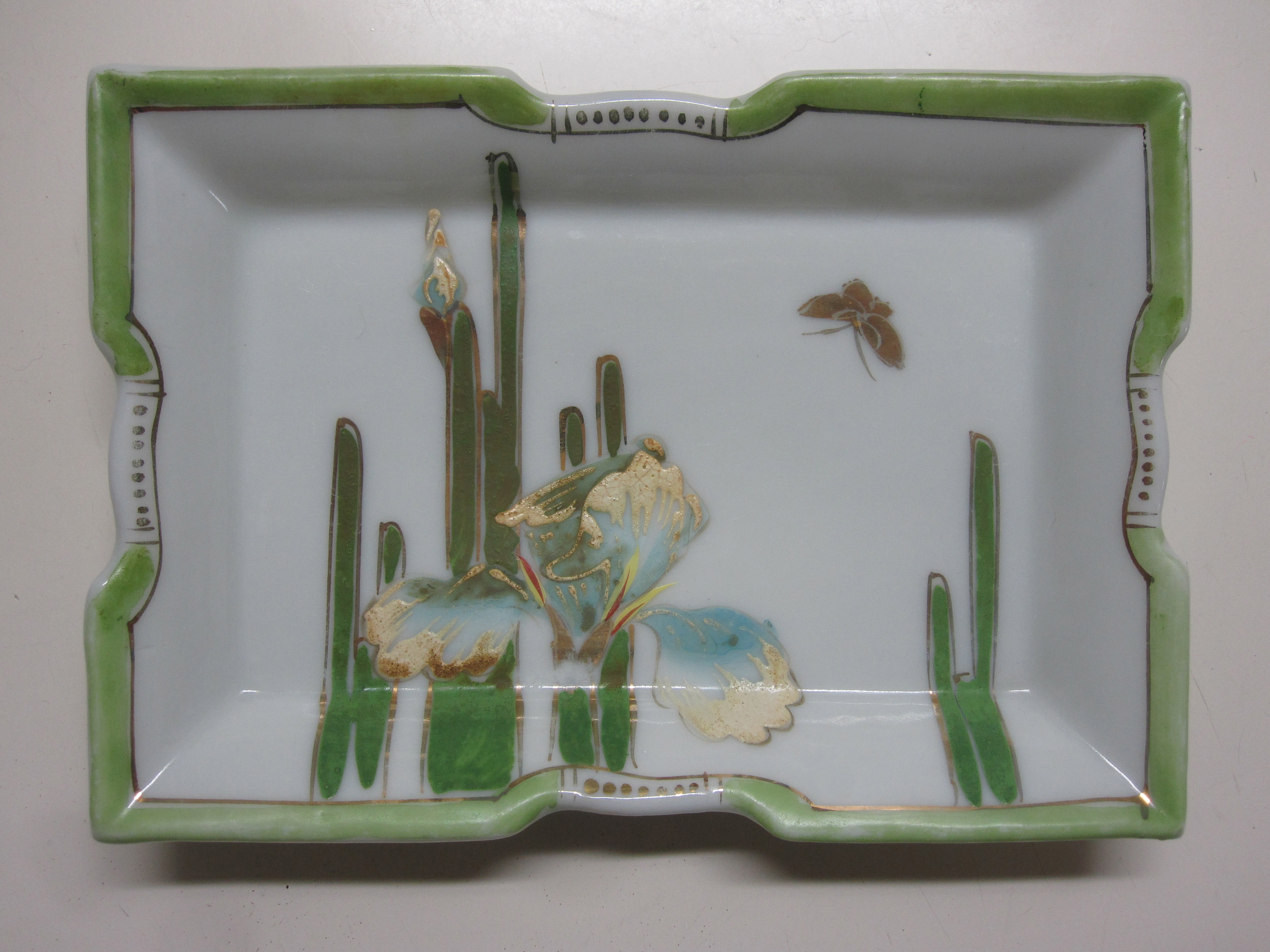
Today was slim on the ground for shrine sales being the second Sunday of the month, but Tomioka Hachiman did not disappoint. It was a day full of friends from out-of-town and extraordinary porcelain, including a few cute and very atypical Japanese pieces bought for the beach house. The small green iris pickle dish will be perfect on the dresser or night table in the beach house guest room for holding jewelry and other trinkets.

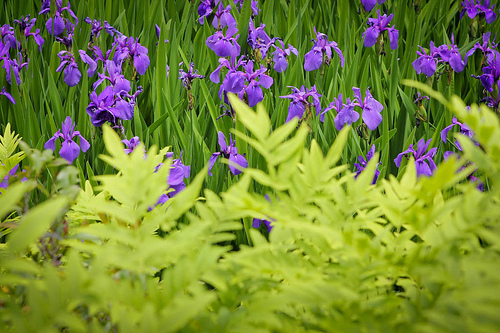
It reminded me of the Korin Ogata screens and the garden at the Nezu Museum.

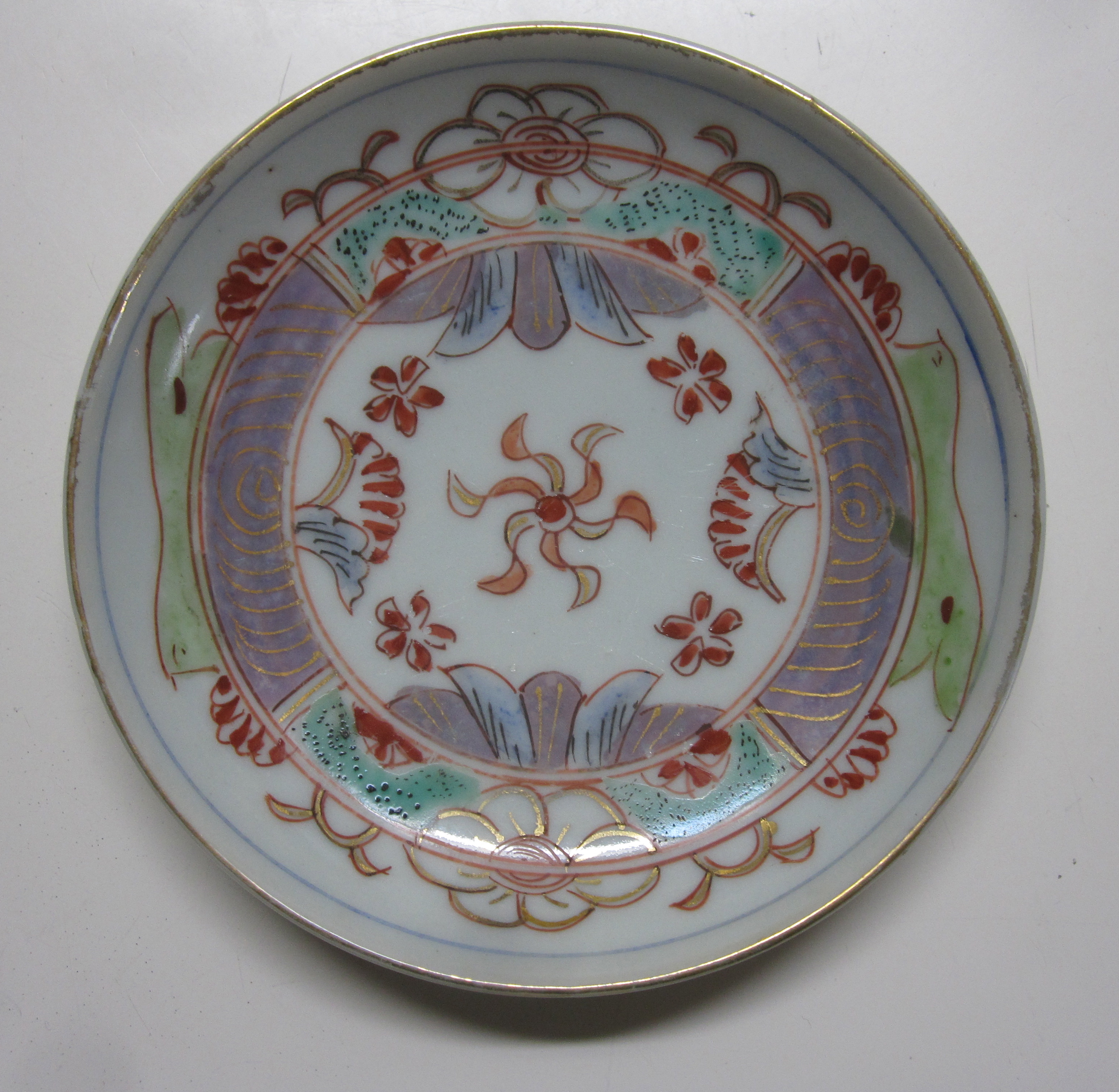
The small Imari-meets-lustreware dish has all the pretty colors in the downstairs rooms of the beach house. Don’t know how I’ll be using it – perhaps as part of a wall display, perhaps on a stack of books on the coffee table to hold olive and cherry pits.

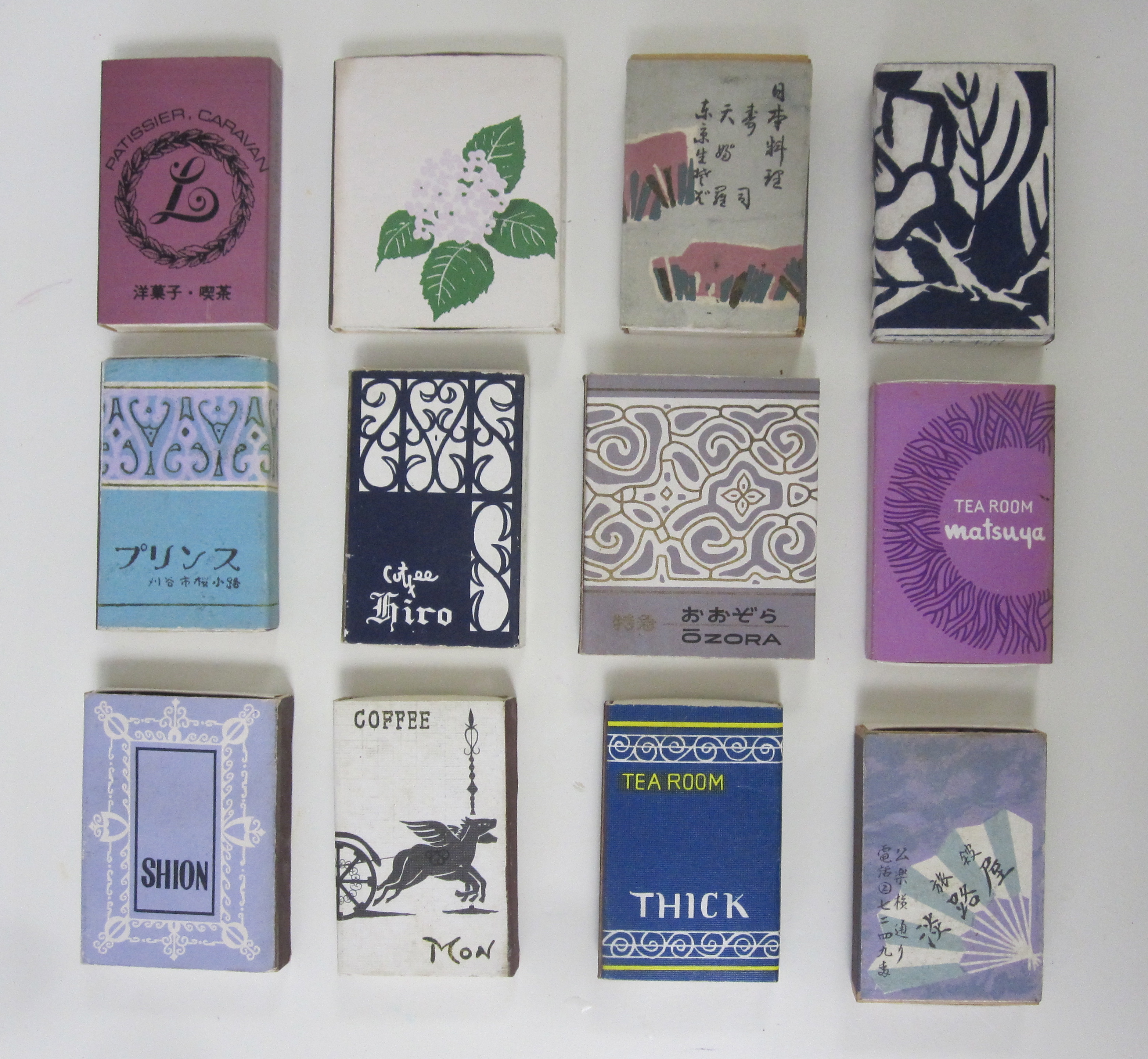
But the person who had the most fun today was my elder daughter who happened upon a stall selling vintage matchbooks from the 1930s-1950s. We have often seen matchbox covers mounted on pages, but not often the entire matchboxes. The dealer had hundreds of them in three big boxes and she spent significant time sorting through them and putting together a charming collection which we plan to place in a shadow box frame. You’ll note her signature colors of lavender and blue.

The story comes as she was choosing her boxes. Much to her chagrin, another man came up behind and offered to buy zenbu – everything – from the dealer. It hadn’t occurred to us and we were immediately sad to see the entire collection go! Luckily, the dealer offered us a few as “service” gifts for making a purchase before he sold off the boxes. We managed to grab a few historical gems.

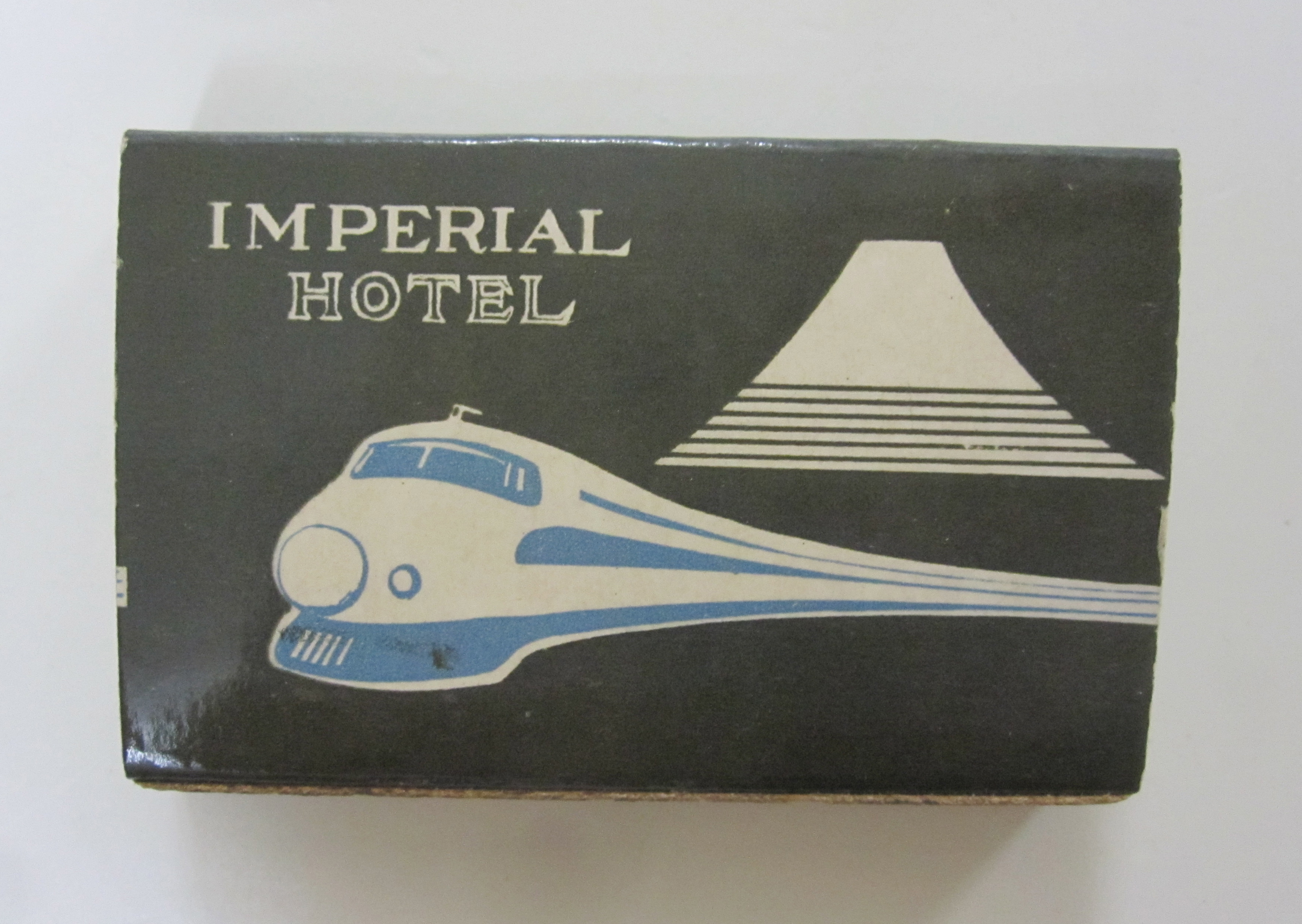
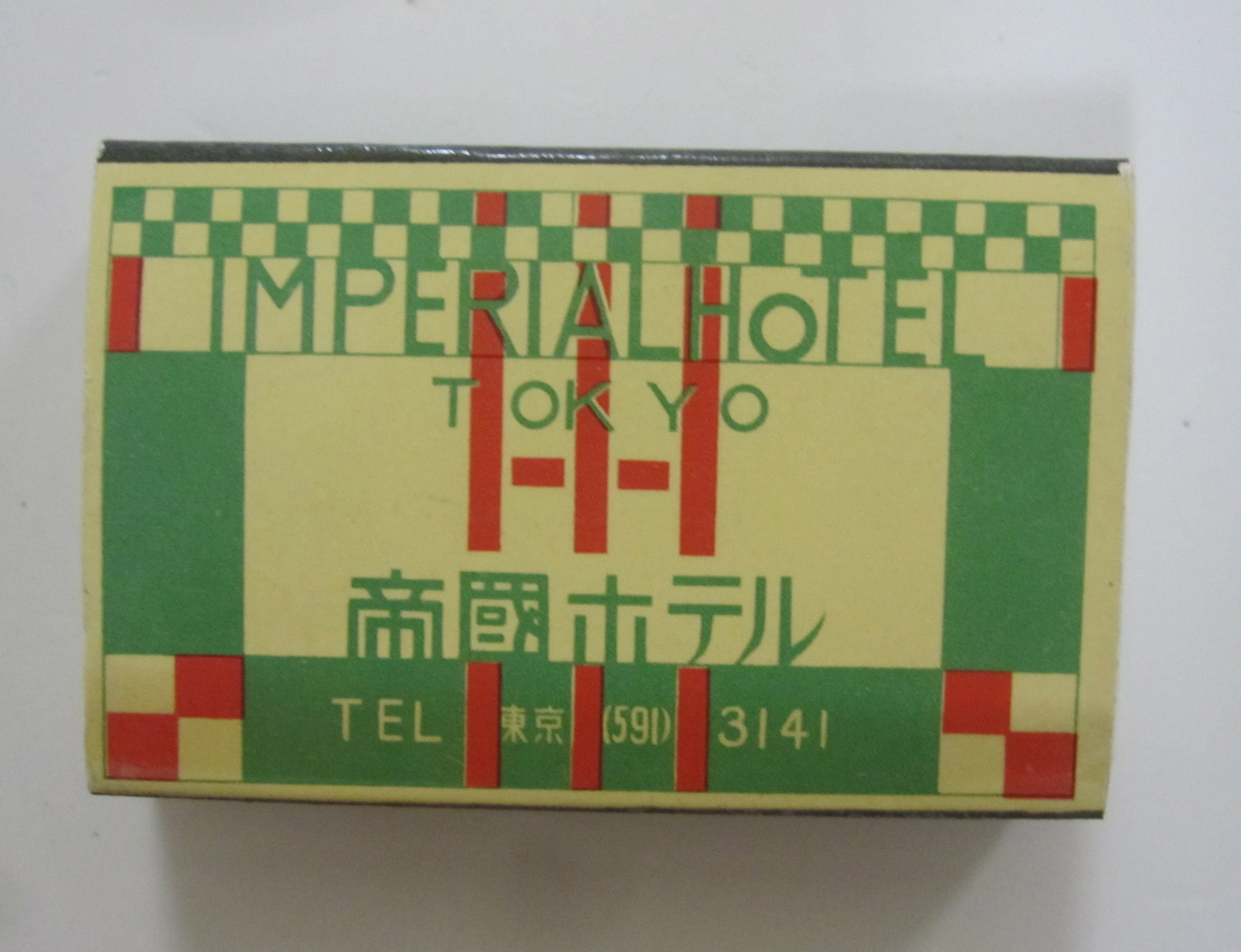
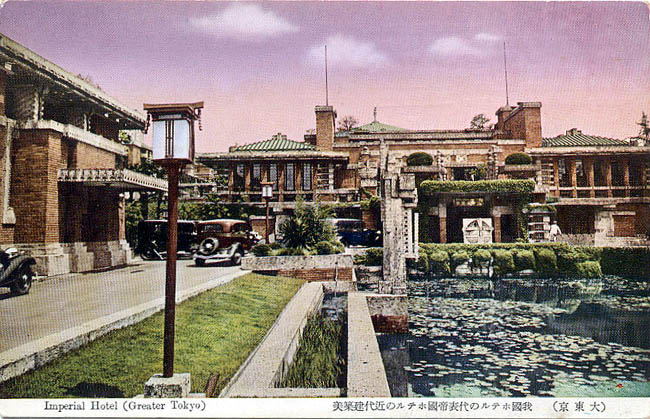
The first matchbox, dated 1939, features Frank Lloyd Wright’s famous Imperial Hotel, with its stylized logo on one side and Mt. Fuji and an early version of the Shinkansen (bullet train) on the other.

Finished in 1923, the hotel was one of Wright’s masterpieces, famously surviving the Great Kanto Earthquake that year, and in use as the premier Tokyo hotel until 1968 when it was deemed outdated and tragically torn down.

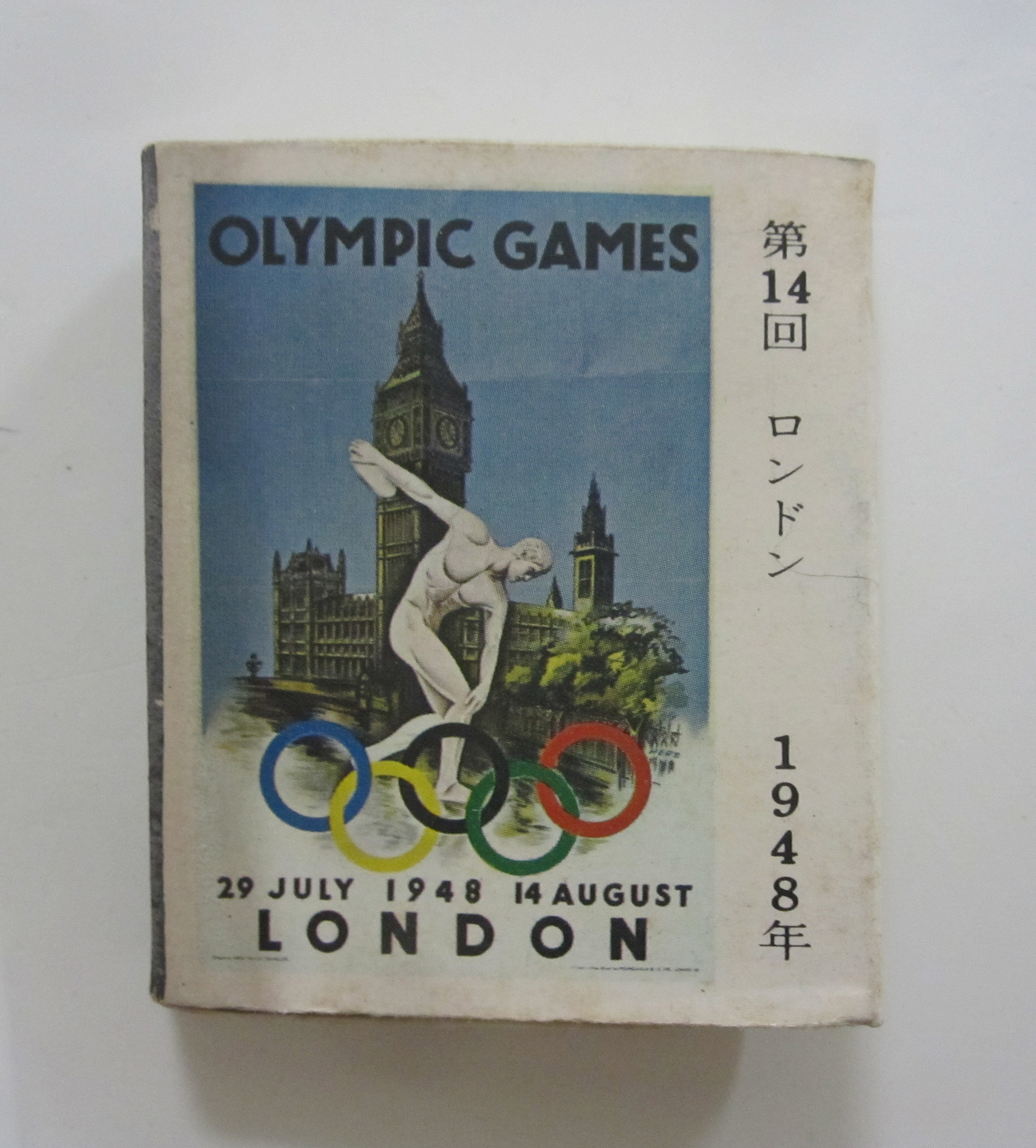
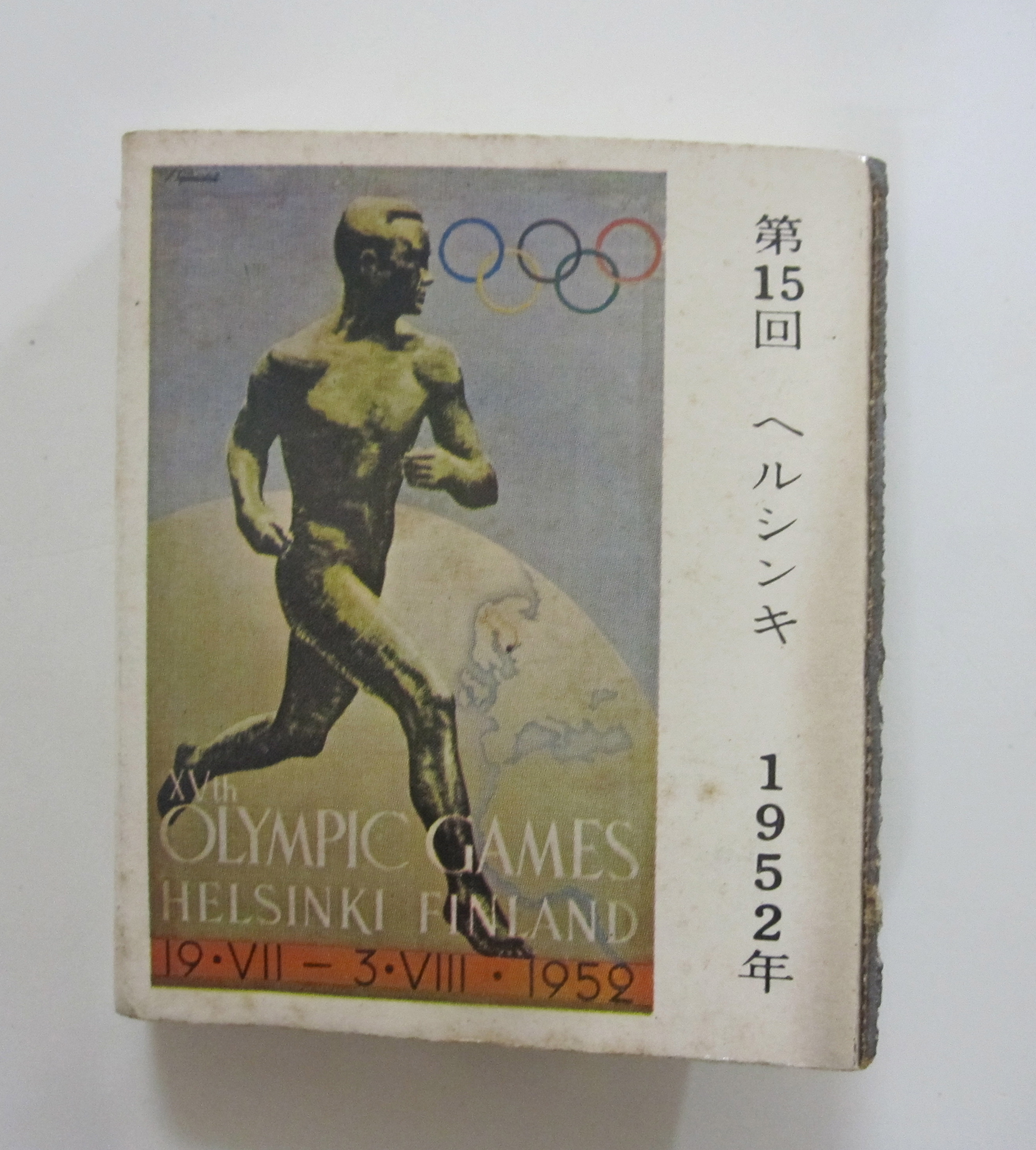
The other matchbox could not have been more timely, featuring the 1948 London Olympics on one side and the 1952 Helsinki Olympics on the other.

Wondering what they might fetch among collectors. Ebay maybe?

Image Credits:  Iris photo by Joseph Keating, via Atsuko & Joe, Imperial Hotel postcard via Old Tokyo, all other photos by me.

Read Full Post »

Even though it is finally warming up here in Tokyo and the cherry blossoms are opening more than a week late, I can’t seem to stop dreaming about summer. Perhaps it is the fact that just about everyone else I know here went off to some tropical paradise or another for spring break vacation, while we remained in quite unseasonably cold Japan. That being said, the girls and I did go up north with some dear friends to do relief work in Ishinomaki, a town devastated by the tsunami last spring. I want to give a shout out to the amazing organization that made our experience possible – It’s Not Just Mud – a small grassroots group that makes it easy to volunteer in Tohoku. I want to remind everyone that the work in northern Japan is still very very far from finished, even though it has basically vanished from the news. Every little bit helps, whether it be real-time work or a donation, and we found that most of all, people were just happy to see us. I have some special stories I’ll be sharing soon!

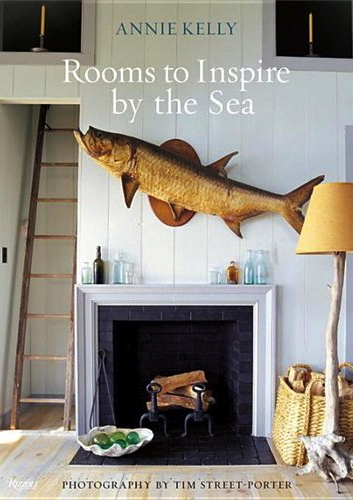
Many of my favorite bloggers have been posting about Anne Kelly’s new book Rooms to Inspire by the Sea and I think that is what has pulled me back to planning the next round of renovation work and decorating at our beach house. As I have scrolled through whatever images I can scavenge on-line, I can’t help but notice lots of inspiration links between some of the homes in the book and choices I have made or plan to make at our house. Some of the houses featured I am quite familiar with and have seen elsewhere, while others are new to me, but almost all of them have that elusive something special – that truly personal and lived in feeling – that I want so badly to achieve in my own home.

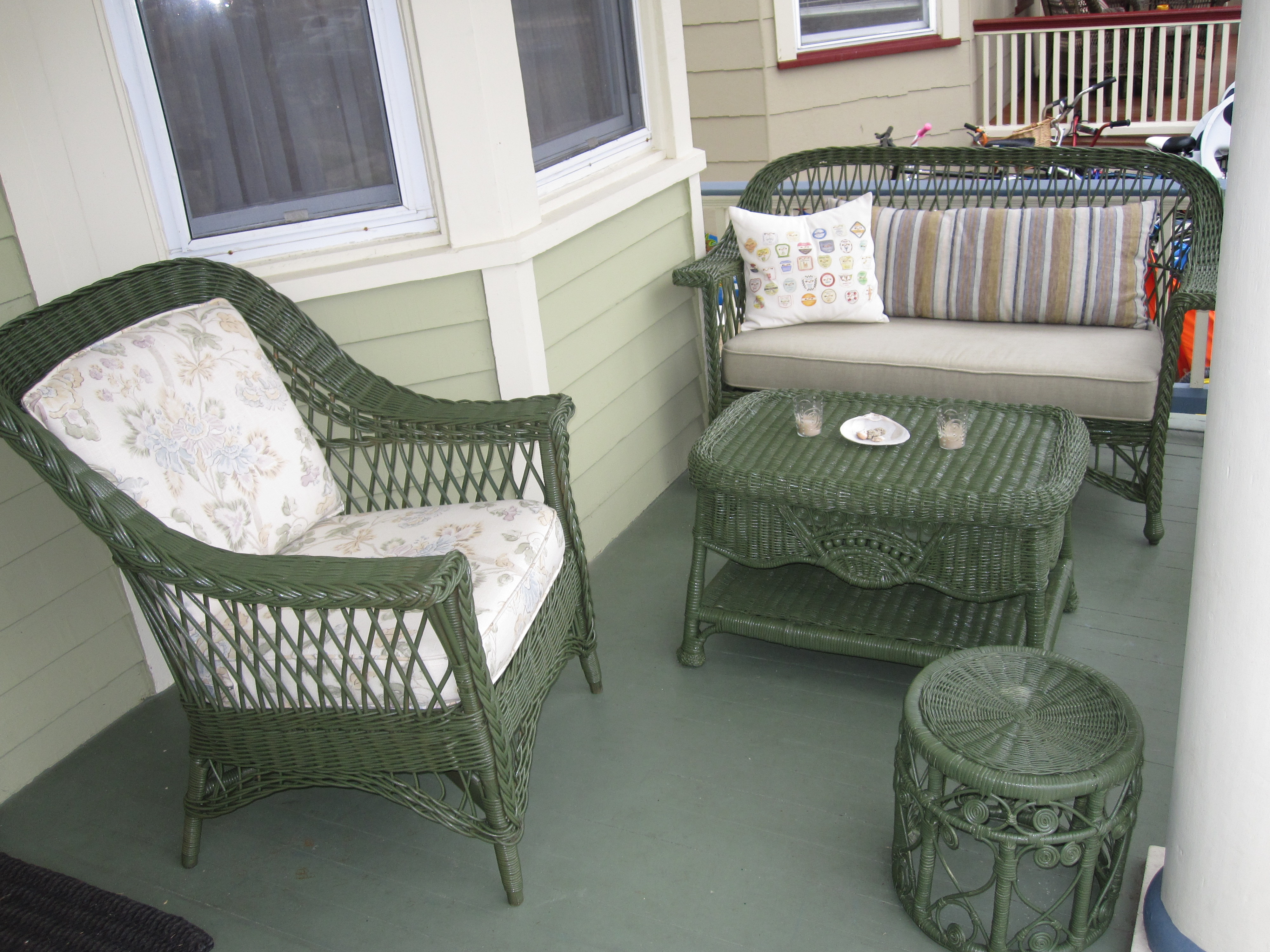
One of the first photos to catch my eye is this lovely porch, although I can’t credit which house it comes from. In addition to the all the green wicker, I love the way they have used accessories to really make this space a room.

I have been furiously collecting vintage wicker wherever I can find it, and let me tell you, it has not been easy. I am constantly laughed at when I inquire for the real thing. These days, all the “wicker” out there deserves those quotes as it is some type of plastic or other unnatural material, touted as being more durable than wicker. I find it ugly and actually it gets weirdly dirty and moldy, so I have been tracking down vintage wicker pieces and painting them the same color green. I don’t know if that would have been my first choice of color, but as the house came with a brand new exterior paint job, I decided to go with it and have been very pleased as the paint unifies pieces from different eras.

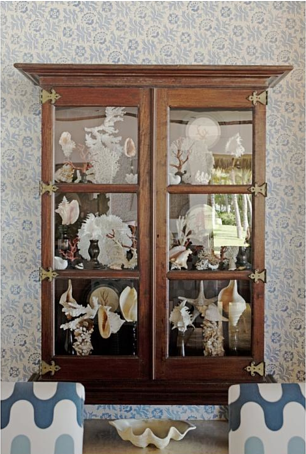
While the houses in the book that speak most to me are the Hicks-Wood, Scheerer and Derian homes, this cabinet from a project by Martyn Lawrence Bullard caught my eye.

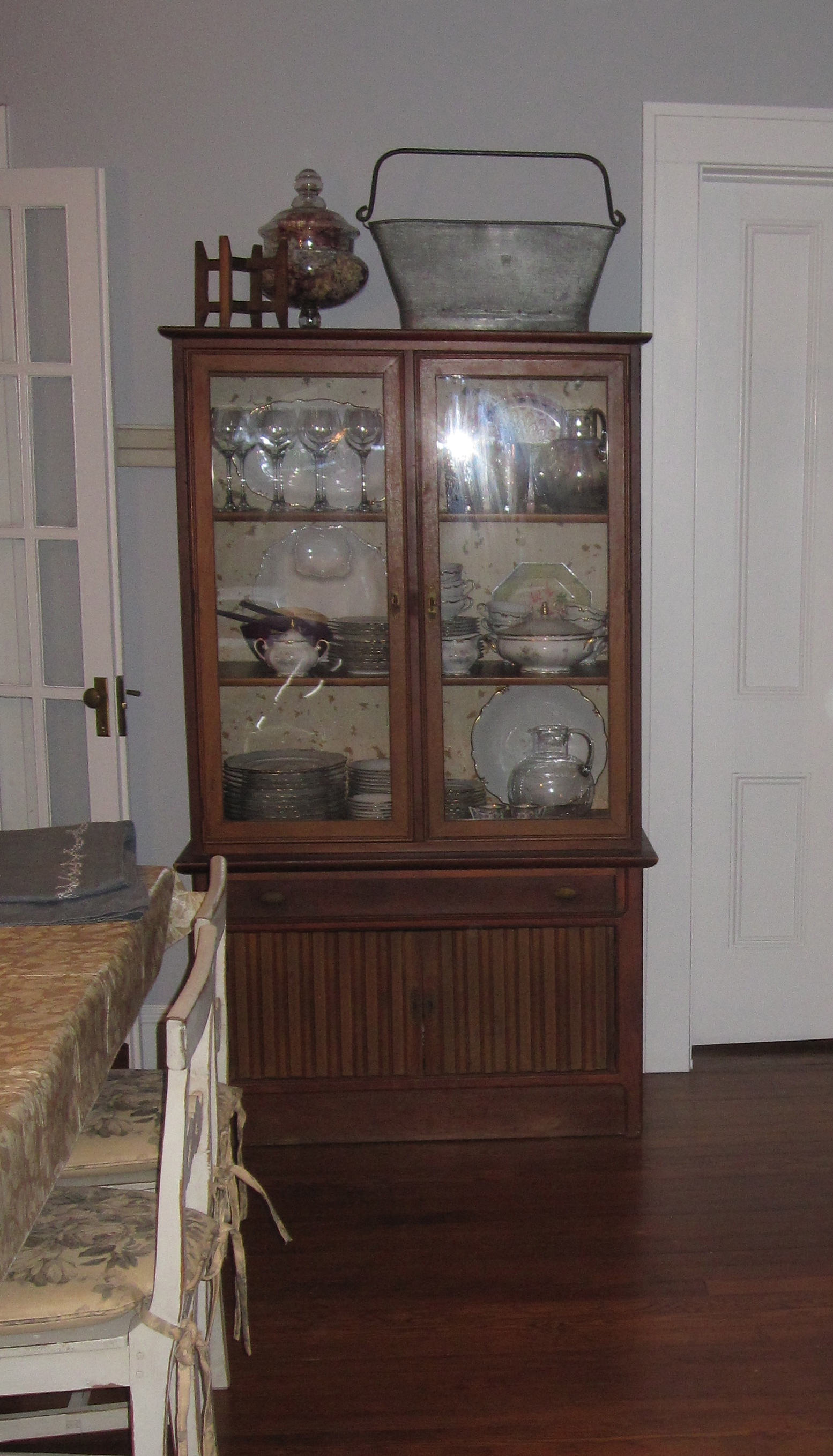
I am still working my way along with my cabinet, trying to decide how I should improve the interior finish (paint? wallpaper? opinions please!) and some better styling, although I don’t have the luxury of space to display decorative coral. My cabinet needs to be a real workhorse, holding serving and eating china, silver, linens and just about everything we need in the dining room.

Having seen many of the interiors of India Hicks and David Flint Wood before, there is one particular new view that I absolutely adore. Perhaps it is the softness of the palette, the palm fronds, the birdcage-like fixture…I can’t quite put my finger on it. (And remind me to tell you about the amazing birdcage I bought at a recent shrine sale. As always the big question is how to get it on the plane!) My color scheme in the photo above looks a bit one-sided and just the blue grey, but elsewhere in the room I manage to capture many of these soft shades. Somehow, I never have the right shot I want for the post!

Similar in color and feel is this view of Chris Mead and Zoe Hoare’s Hampton home, although it is more literal in its seafaring references.

Moving on, the color in Tom Scheerer’s bedroom photo is perhaps a little brighter in this photo than it is in person, based on previous photos I have seen of the room. I do love the replacement of the kitschy legs lamp he had there before with this coral one.

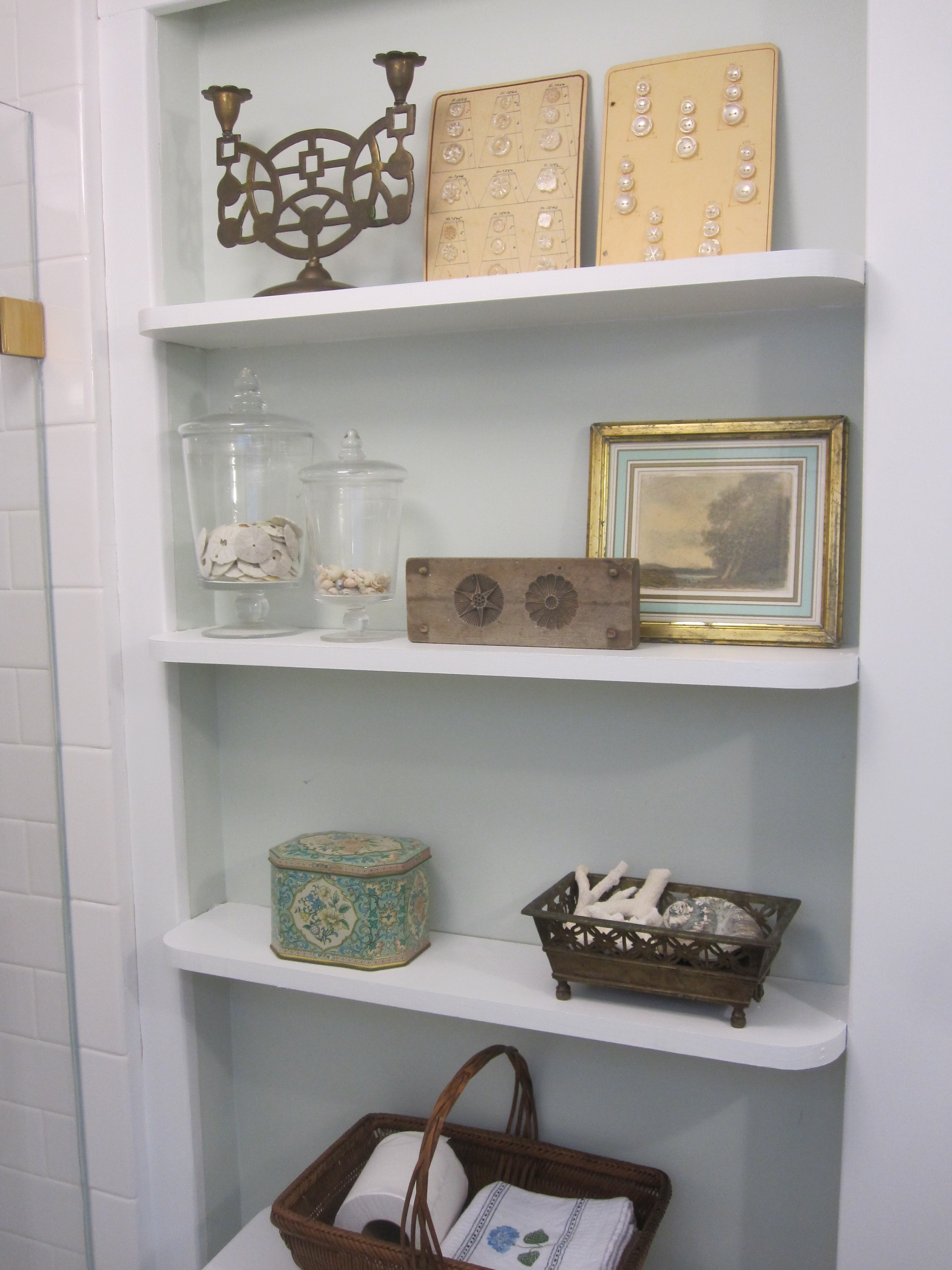
My bathroom color looks a bit washed out in this photo, but I think you can see an inspiration link anyway.

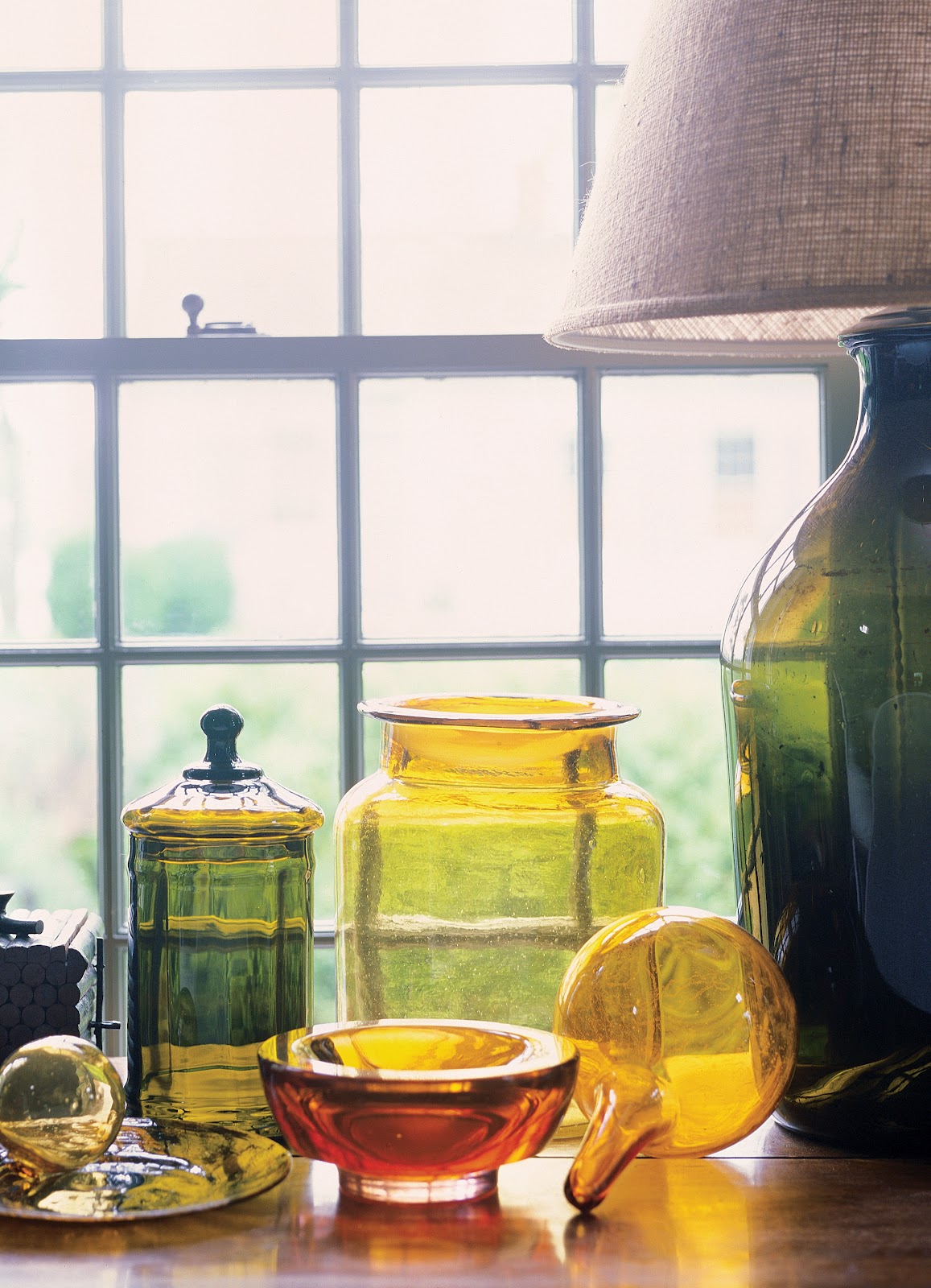
Steven Gambrel’s moody glass display…

…makes me think of mine, only this one is here in Tokyo, not near the sea. Quite a bit has been added since this shot, and I think it has reached its perfect point. Any more, and it might tip…

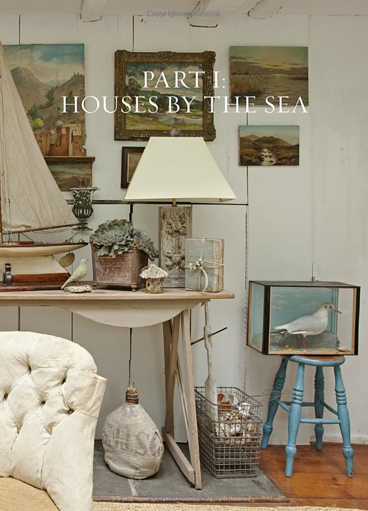
Which also brings to mind what seems to be an alternative cover, which comes up when I try to order the book in Japan. I know the floats in the giant clam shell is kind of a cliché but I still love it! Driftwood lamp and bottles too!

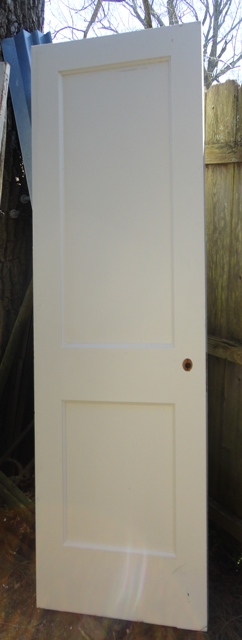
The big projects looming at our place are the master bath and kitchen. I think I may have found a good vintage door to use in the bathroom to convert the entry to a pocket door. Love the simple panels, especially on a small door.

And I have been inspired by a friend’s recent renovation…

and by Brooke Giannetti as well…

…to pursue my inspiration photo a bit more and possibly use a free standing over mount sink in the master bath after all. It is so easy to convert a cabinet or table to a vanity this way.

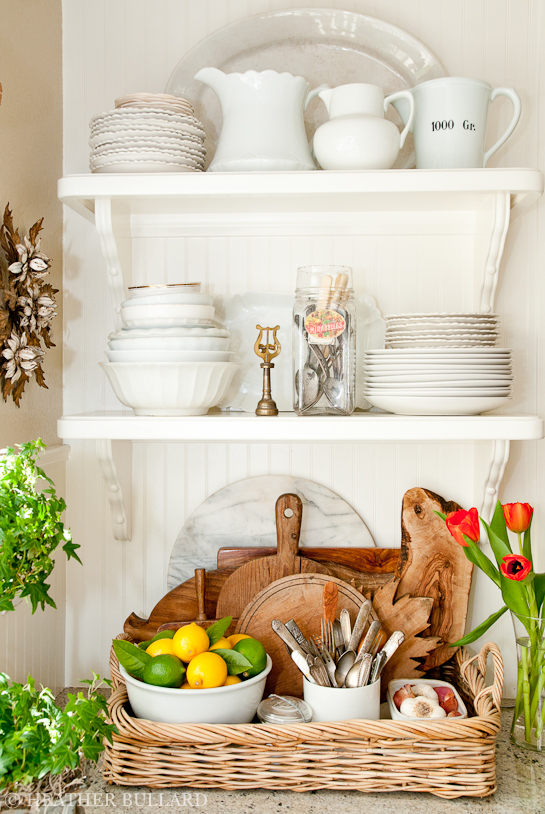
As for the kitchen, watch for a big upcoming post on that. I know I keep promising and not delivering, but I am needing to sort out two posts – one for what I really want to do when I gut the whole thing – and the other the shoestring budget DIY plan for the meantime. This is an inspiration photo from Heather Bullard I keep coming back to that works for either scenario.

The next two weeks are super busy for me – I hope you will bear with me if posting is light – as my elder daughter is having her Bat Mitzvah on April 14th. But I will be posting about the sakura (cherry blossom) inspired party details!

Image credits: 1-2, 4, 6-8, 10 & 12. Rooms to Inspire by the Sea, by Anne Kelly, photographs by Tim Street-Porter, some of the images via Mrs. Blandings or Style Court, 3, 5, 9 & 11. me, 12. V. Felgner, 13. via Velvet & Linen, 14. via Heather Bullard

Read Full Post »

With the tag line “Be the change. Volunteer,” Hands On Tokyo addresses the critical needs of the community by partnering with other organizations focusing on educational and social issues in Tokyo as well as disaster relief in north-eastern Japan. By collaborating with partners to create projects designed to meet their needs, [they] provide numerous volunteer opportunities for any individual or corporation looking to make a difference in the community. Currently, Hands On Tokyo has over 3,100 registered volunteers, arranges over 300 volunteer activities a year, and has given back more than 21,000 aggregate volunteer hours to the Tokyo community. 

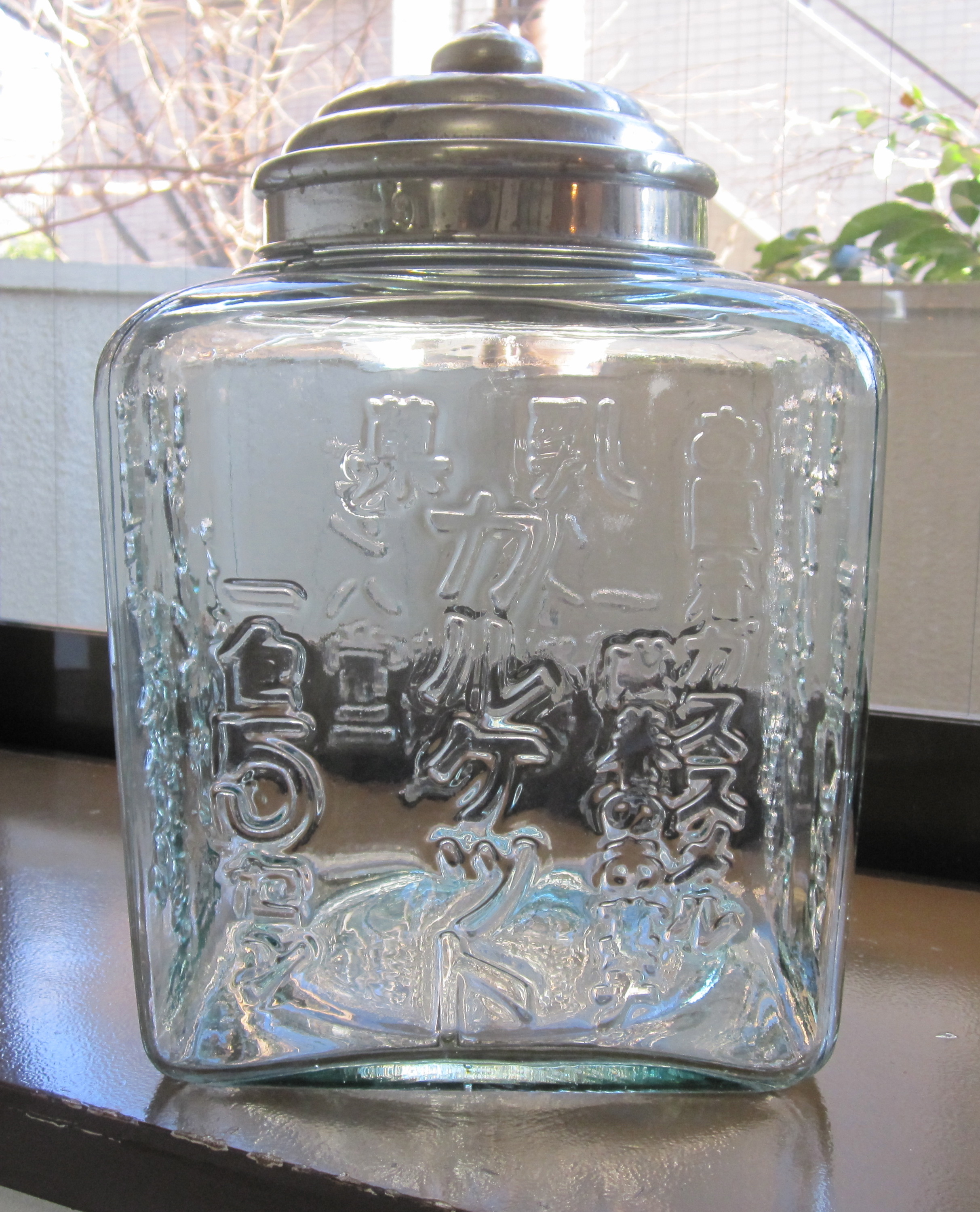
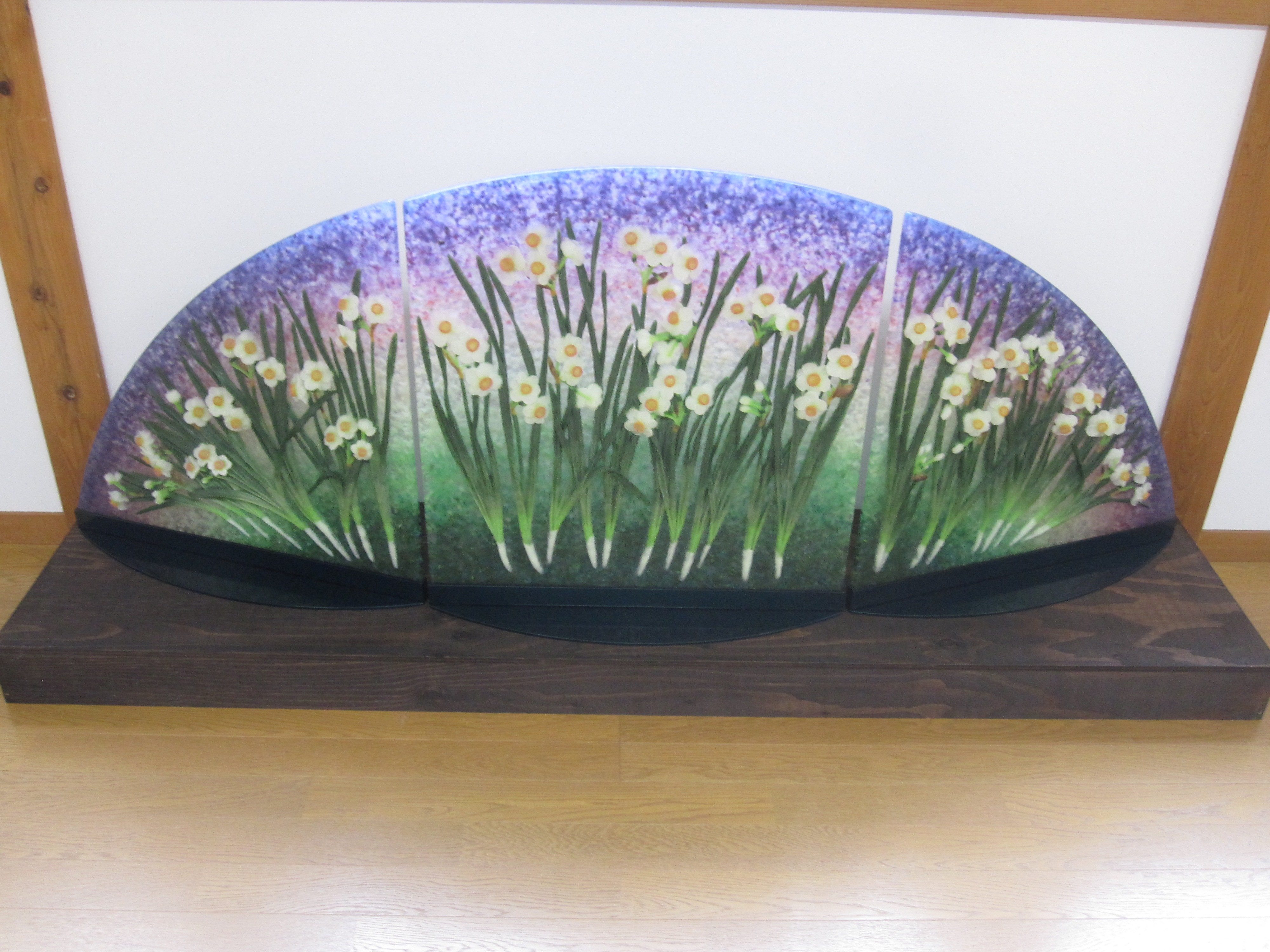
Tokyo Jinja is proud to have donated this amazing rare and valuable glass senbei (rice cracker) canister from the early 20th century with raised glass lettering and original lid to the upcoming event “A Taste for Volunteering” in support of Hands on Tokyo.

There is still time to sign up and attend as well as bid on this senbei jar and a host of other prizes!

DATE:  Friday, February 3, 2012
Reception: 6:30 Party: 7:00-10:00 PM
LOCATION: The Capitol Hotel Tokyu
COST: ¥20,000 per person
DRESS: Semi-Formal
RSVP: hot.tfv.admin@handsontokyo.org

Hands on Tokyo has been doing incredible work in Tohoku and I was lucky enough to have helped on a project to feed 600 people in Iwanuma last June. We made and packaged some of the desserts while having fun together. If you can’t make the event, I highly recommend signing up for some of their volunteer activities which you can do by clicking here.

For more on vintage senbei canisters, see Country Kitchens and Rice Crackers…a visit to Tomioka Hachimangu.

Update:
The senbei canister sold for 73,000yen last night! It was the HOT item of the night. I am so pleased!

Read Full Post »

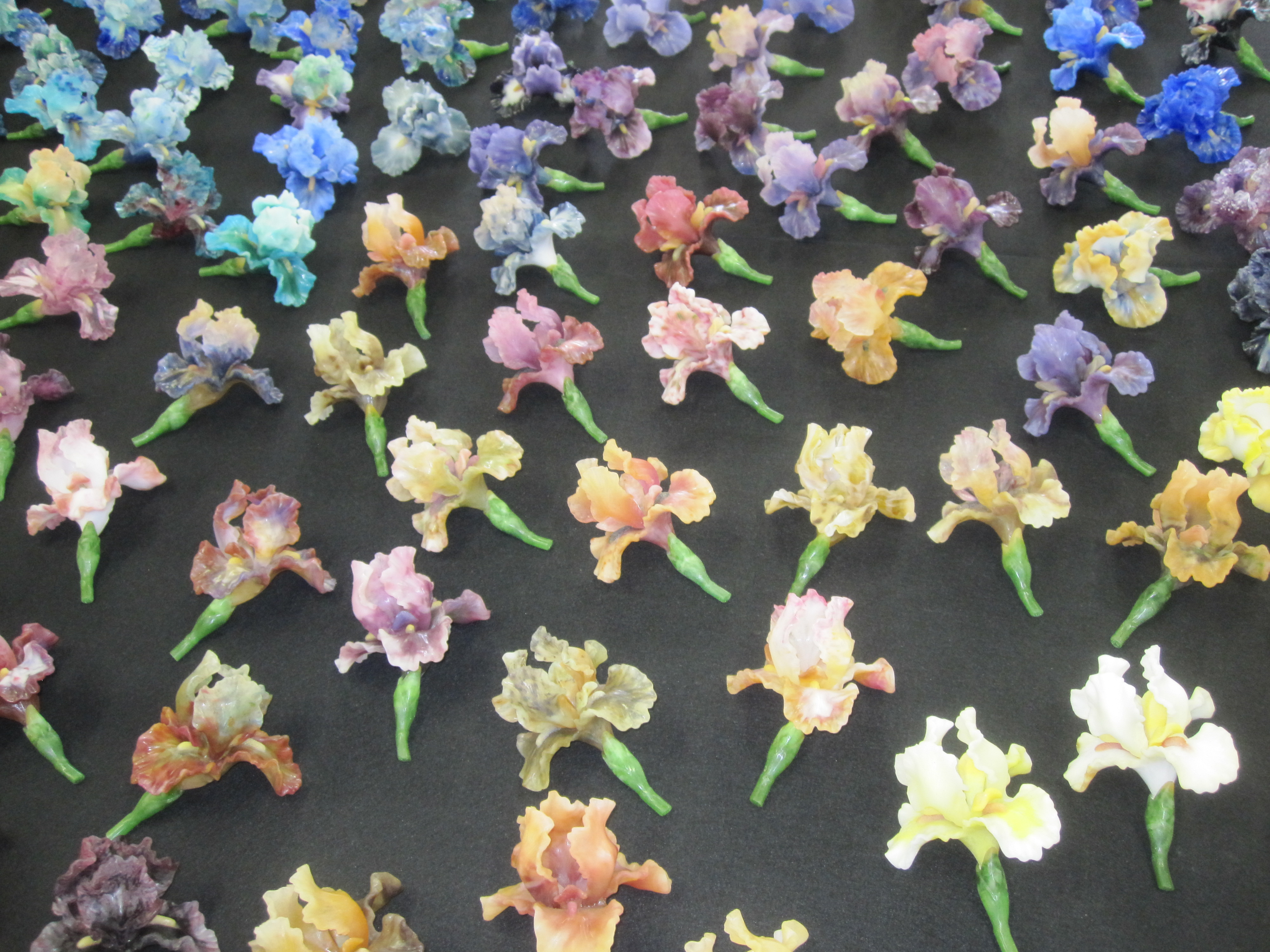
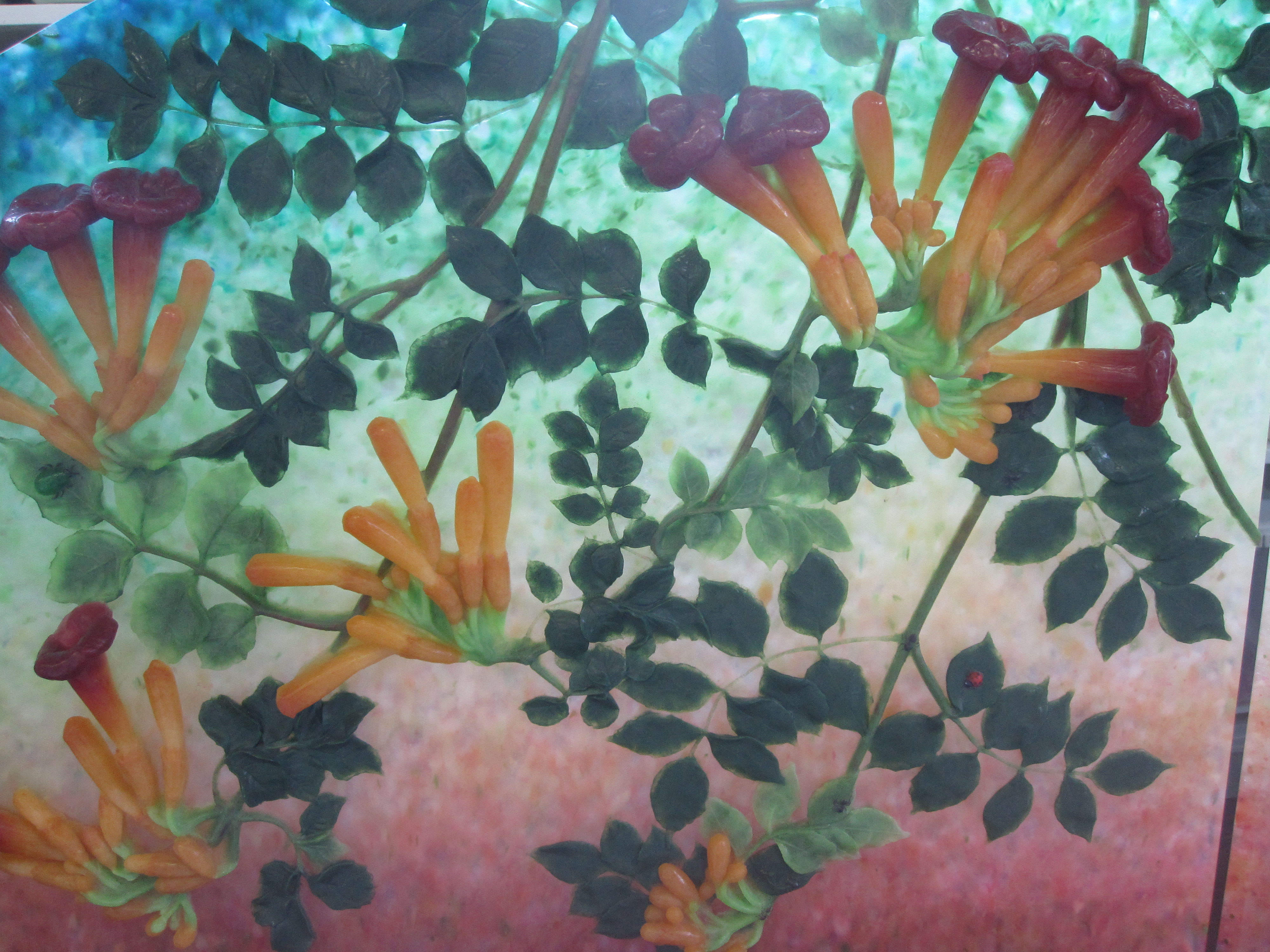
While Dalia was off visiting the Mashiko Pottery Festival last week and checking on post-earthquake progress there, I was busy visiting Kimiake and Shin-ichi Higuchi, two of the world’s foremost Pâte de Verre glass artists up at their newly rebuilt studio at the northern end of Nikko National Park. As you might recall from a previous post, much of the Higuchis’ studio and about 40% of their artwork had been destroyed in the Great East Japan Earthquake. The weekend of November 5-6 was their joyous open house – a celebration of their rebuilding and faith in going forward – and we were lucky enough to be invited. Ironically, they had set up their entire exhibit by Thursday afternoon the 3rd, only for there to be a fairly strong quake that evening, which many of my local readers will remember. For safety, they took everything back down and only put it in place just before the weekend open house.

Simple linked buildings flooded with light house their bedroom, living quarters and studio, all surrounding their gorgeous garden which is the main source of inspiration for their work as well as much of their actual food. Upon arrival we were greeted by giant cabbage leaves spread about the grass. They were so life-like, we weren’t sure if they were glass or not!

Everything in the studio was back to being ship-shape and orderly. The rows and bins of glass powders and frits were a modern installation all their own. In the spirit of recycling, all the broken glass works are being ground down and re-used.

We got to see their process from sketch…

…to detail demonstration…

…to finished installation.

Their renderings of the everyday vegetables and flowers around them are so life-like as to almost be surreal. The asparagus looked so delicious that I was ready to pick it up and eat it.

The bearded irises were amazing.

Color and detail, here on a cyclamen panel…

…and here on a trumpet vine.

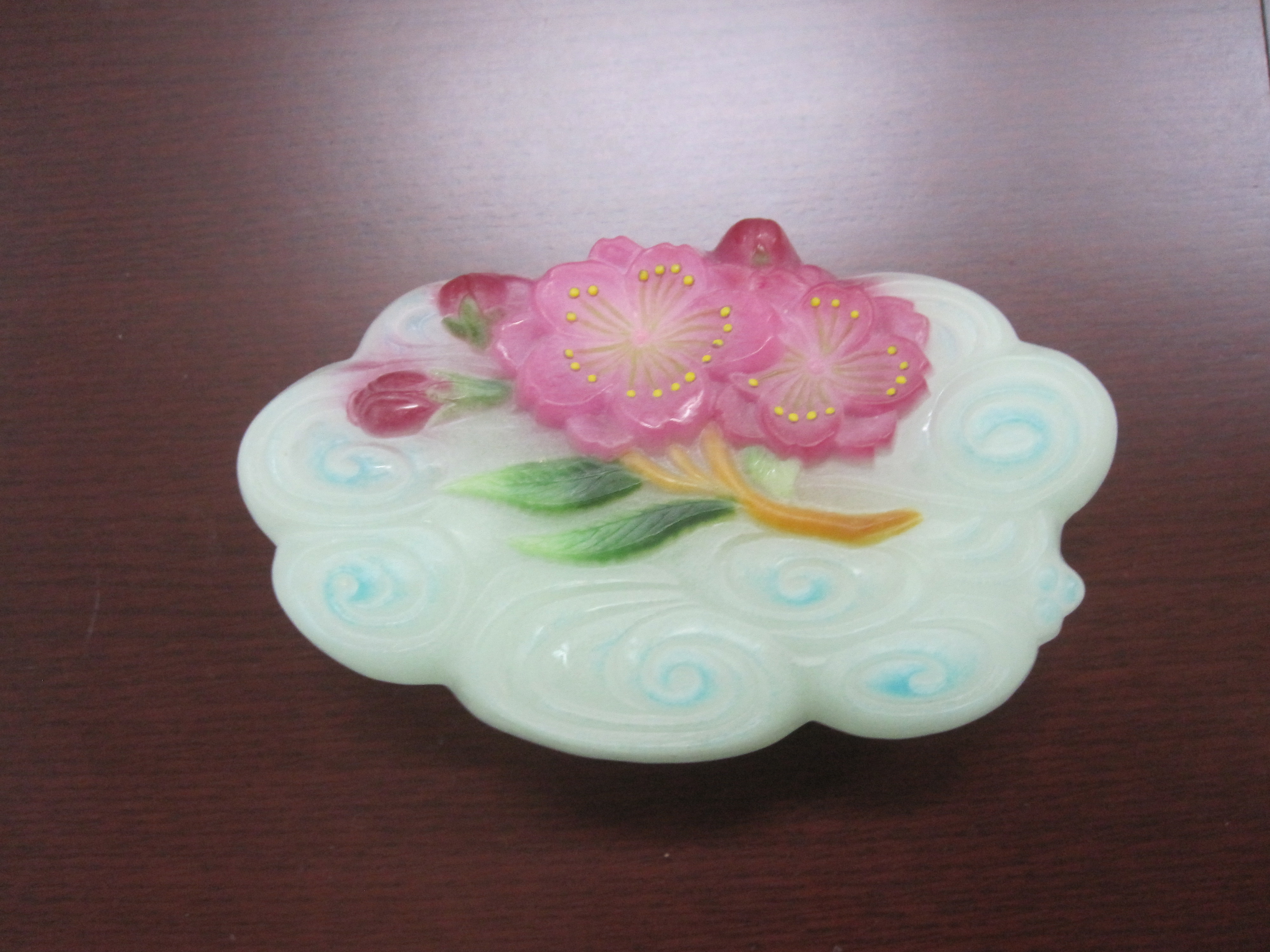
The little boxes and vessels made me swoon – I wanted this little sakura box…

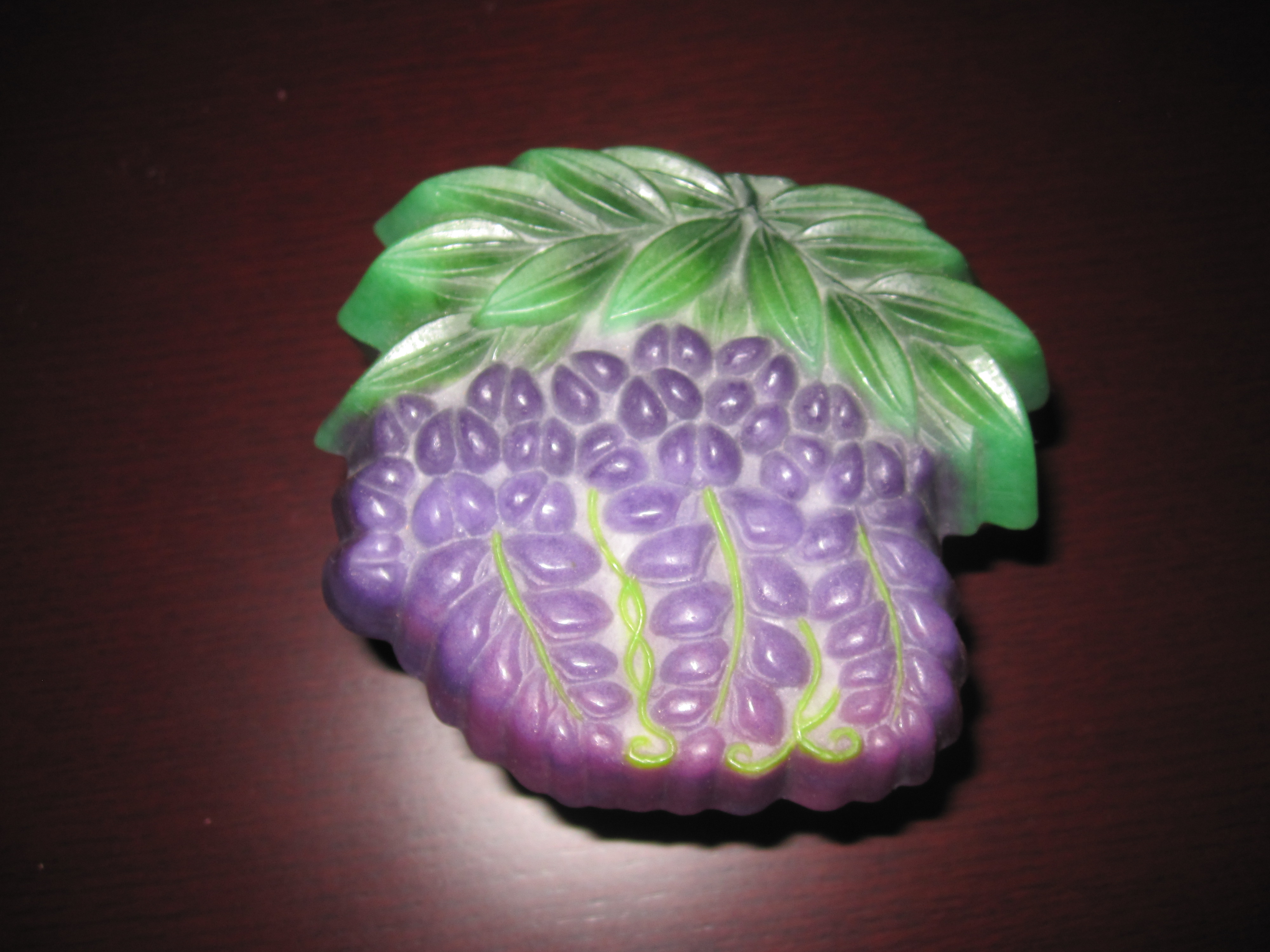
…or the wisteria.

Some boxes had secret surprises inside.

Can you see the snail and the water droplet on the hydrangea leaf?

I don’t often include pictures of my kids on the blog, but here she provides a sense of scale. Keep in mind she just turned 8. Largest glass cabbage known to man – perhaps the original was the largest ever grown too.

Speaking of the girls, the younger ones had a ball catching praying mantids in the garden. They strongly suggested that Shin-ichi remake his praying mantis sculpture which had been broken in the earthquake.

And the pièce de résistance, which I cannot resist showing is this…

…their bathroom counter, covered in glass roses, and even including clear glass water drops and a few small insects.

Warm thanks to the Higuchis for hosting us and to Debra for introducing us!!

The previous week, Keiko Iishi, a former assistant to the Higuchis during a Corning Museum of Glass education program and a glass blowing artist in her own right, held a charming solo exhibit in a small Ginza gallery. She had been so disheartened by the loss of family and friends in the earthquake and subsequent tsunami that she had planned to cancel this long-awaited show. With strong encouragement from her supporters, she decided to go forward and it was a treat of color and pattern.

Having just made butterbeer with my elder daughter and her friends, the piece in the center rear, entitled “Honeydukes,” caught my eye. Keiko, a huge Harry Potter fan, said I was one of the only ones to get the reference.

Congratulations to Keiko on a very successful exhibition!

The net result of viewing all this modern glass art? I think we might need to sign up for classes at Hot Sand on the Asbury Park boardwalk this summer.

Read Full Post »

For my first ever guest post, Dalia Gold reports on a shopping excursion to the famous Japanese pottery town of Mashiko. The destruction of the kilns after the Great East Japan Earthquake was featured earlier on the blog here and updates on the situation here

The forecast called for and delivered clear, sunny skies for my first trip to the legendary Mashiko pottery festival. I’d been waiting almost a year for the day to arrive, having heard stories about rows upon rows of pottery stands.

Originating in 1966, the fair is now held twice a year – in the fall and spring – and draws approximately 150,000 people and 400,000 people, respectively. Last spring, the Great East Earthquake destroyed the ancient kilns used for generations to bake the clay works. Donations and support came from around the world to help rebuild the kilns and November 4, 2011 marked the second pottery fair after the devastation. More than 500 artisans displayed their work, including many from Mashiko and areas beyond, as well.

Much more information about the history of Mashiko pottery can be found at: www.mta.mashiko.tochigi.jp

I expected to be overwhelmed and had brought a small, wheelie suitcase, as I’d been advised, to store my purchases as I strolled. I had no particular agenda nor strategy for the expedition. I only knew that I didn’t want to leave thinking, “Why didn’t I buy that when I had the chance?”

The vendors at the beginning of the fair had mostly functional, primitive pieces. I bought these small bowls, finished in Nuka White (rice husk ash) glaze and paired them with these funky, unfinished green chargers.

As I moved deeper into the stalls, I found myself drawn to pieces featuring spouts, irregular shapes and almost anything white.

I think these oval pieces may be intended for ikebana, but I bought one to use as an everyday fruit plate.


Loved the simplicity of, and so purchased, both of these, which look great with the fruit bowl.

Though I didn’t buy one, I love the utilitarian grater featured in these spouted works.

As with so many things I’ve seen in Japan, the elegant simplicity of some displays rivaled the artistry of some of the goods being sold.

Other collections for sale besides pottery included glass, incense and shoes.

Given the huge piles of rubble within, I think these warehouses may be the sites of some of the kilns which were destroyed, although they had certainly been cleaned up from last spring,

After exhausting myself among the stalls, I finally arrived at the main street, where many finer pieces of art were for sale. The glaze on this vase looks as if there are layers of mosaic tiles beneath the smooth surface. The photo doesn’t do justice to the gorgeous tones of blue, grey and green held within.

My wheelie bag was full, and I had a couple of shopping bags draped over my arms as I returned to the parking lot before heading home. I’d been true to aim – not to leave any beloveds behind – and yet, I already knew I would need to return next year.

Read Full Post »

“In Mashiko, nearly all the Nobori kilns fell down, and Mashiko’s firing is
about to go out. We, potters, cannot help being shocked because the kiln is the soul of us.
We cannot turn off this fire in “Mashiko, the Sacred Place of Mingei”,
“Mashiko, Town of Handcraft”, which Shoji Hamada established. We must keep
the smoke coming out of chimneys in Mashiko.”
Ken Matsuzaki

Around the world, Mashiko is almost a synonym for Mingei, the “art of the people” or “folk craft” movement started in the 1920′s in Japan by Sōetsu Yanagi, Shoji Hamada and Kanjiro Kawai. It was the potter Hamada who centralized Mashiko as the place for the production of these “functionally beautiful” pots, bowls and cups. The earthquake on March 11, 2011 has devastated the town, the kilns and the museums. Artist Ken Matsuzaki quickly sent out an appeal for help, worked with the Mayor of the town and NPO’s to establish the Mashiko Pottery Fund. In the USA, tax-deductible donations to the Mashiko Pottery Fund are made via Mudflat Studio, as they are serving as the fiscal sponsor. Long ties also bind the Leach Pottery in Cornwall to Mashiko as it was founded in 1920 by Bernard Leach and Shoji Hamada, and as a result, they were also early to launch a Mashiko Earthquake Appeal.

Locally, Gallery St. Ives in Setagaya is holding a Mashiko Earthquake Appeal exhibit from today, Saturday, April 16th until Sunday, May 8th in support of their own Mashiko relief fund. The Gallery is open 11-6, from Wednesday through Sunday.  The five person exhibit includes work by artists Ken Matsuzaki,

Ken Matsuzaki via Pucker Gallery

Tomoo Hamada,

Tomoo Hamada via Pucker Gallery

Euan Craig,

Euan Craig via Oakwood Ceramics

Minoru Suzuki

Minori Suzuki via Rakuten

and Yuchiko Baba.

Yuchiko Baba via Selfridge Ceramic Art

Since the earthquake I have been following Euan Craig’s emotionally riveting account of his family’s life changes on his blog Euan The Potter. He writes, “Houses can be repaired or rebuilt, kilns too. Pottery can be replaced, remade. Stuff doesn’t really matter. We’ll manage somehow. My family, my loved ones, are safe and sound. They sleep in the next room as I write this to you. I thank God. We are the lucky ones, and my heart and prayers go out to those who are not.” I am hoping to meet him as he, Ken Matsuzaki and Minori Suzuki will be at the exhibition on Sunday the 17th.

On the internet, the handmade community has geared up as Etsy potters have set up mudteam4mashiko and participating artists are donating 100% of the proceeds from their sales to the Leach Pottery fund. Additional potters are donating proceeds to the Red Cross and other relief agencies. Other non-pottery artists are also collecting funds from sales for earthquake relief charities. Searches such as “”earthquake relief” on Etsy yield over 3000 handmade items for sale. One of my favorites for sale is this Namaste bowl by an artist named Antonia. It has one of my favorite yoga sayings, ”The divine in me bows to the divine in you,” which is the literal translation of namaste and a sign of deep respect. It is exactly how I am feeling about the Japanese people right now. Their courage and patience in this last month have been so truly extraordinary that it defies my ability to write about it.

I urge everyone to donate a little (or a lot!), whether you donate directly to the many funds set up or do it while shopping!

Read Full Post »

It was the best of times, during the worst of times…


When you live your life as an expatriate, friends become like family. You join them for holidays like Thanksgiving and they get to know your children well. In emergencies, they take care of you, just the way family would. We have a lot of people to thank for the last few weeks and I am enjoying searching out some thank you presents.

The friend who kept us in Singapore already has a pair of beautiful katagami, the Japanese stencils used in printing designs on fabric, usually for kimono. Hers are an unusal long narrow pair, used to make obi, but more commonly seen are smaller stencils, like the ones framed in the Eric Cohler designed bedroom above or those in the Steven Gambrel designed dining room below.

Gambrel is a master at using tightly hung textile arts in his interiors and he is one of the only published designers out there who does it often.

You can see it over and over again in his portfolio.

These look to be actual textile fragments.

Katagami are not the only fabric “printing aids” found among Japanese antiques. Obi zuan, the hand-painted patterns used in obi making can also be found at antique stores and shrine sales.  I even saw a number of them framed at the Altfield Gallery in Hong Kong. Honestly, I still cannot get over how many Japanese antiques there were for sale in Hong Kong!

On Saturday I ran down to the Azabu Juban patio market, knowing there is a dealer who usually has a nice selection of katagami. He did not disappoint – actually all the dealers were there and it was business as usual. In the wake of the disaster, it is not just aid that people need, it is for their livelihoods to continue. In that spirit, shopping seems to be one of the more valuable things I can do.

Picking out the stencils was not hard. There were two bingata style katagami, used to make traditional Okinawan cloth that I thought my friend would really like. The bingata stencils tend to be curvy and pictorial, with plants and animals depicted, unlike some of the more geometric katagami. They weren’t too big, so they wouldn’t take a lot of wall space commitment either. Key to highlighting the detail is to use a white or light-colored liner.

One common way to frame them is to cover the dark border entirely or partially with the mat.

Another way to frame them is to allow the dark border of the stencil to function as a mat in lieu of one. Here, Maja Smith of Alegria Design uses an unexpected modern lucite box frame and no matting to highlight her katagami.  

In the end, I chose a framing style similar to the first image in the post – with a mat, but allowing the dark border to show as an inner frame. I’ll post the final product when it comes back from the framer.

Unfortunately, I cannot blog about the other thank you gifts I am out shopping for as I know those friends are regular readers.  They will just have to wait and be surprised…

Image credits: 1. House Beautiful October 2008, photo credit: Julian Wass, 2. House Beautiful April 2011, photo credit: Simon Watson, 3-5. Steven Gambrel, 6-10. me.

Read Full Post »

Singapore is such a crossroads of cultures – Chinese, Malay, Indian and elsewhere, former British colony, port city and now a powerhouse Asian financial center – and the neighborhoods and shops reflect that heritage. Russian sailors have pawned goods at the docks and immigrants of all types have made their mark on the cuisine and culture. To get a taste of that diversity we headed out for Arab Street and Little India earlier this week to do some serious market shopping and to visit a friend’s favorite junk store.

Arab Street was about 2 blocks long, a rainbow of color with scores of dealers selling Indian sari and dress fabrics as well as Indonesian batik. I loved the batiks and this photo doesn’t begin to do them justice, but they weren’t exactly what I was looking for..
I had one of the first of many “can’t carry that now” moments upon seeing these kilim footstools and ottomans. They were actually light as a feather and I thought they would be perfect in the back bedroom at the beach house for extra TV watchers.  I had been planning on the ubiquitous Moroccan leather poufs seen everywhere right now, but now I’m not so sure.

Imagine my chagrin at opening the April Elle Decor a few days later and seeing them used in Antonello Radi’s 16th-century Umbrian Palazzo. Yet another reason to wish I wasn’t currently a nomadic evacuee!

Sorry about the poor photo quality but give me chops for inventiveness as I have no scanner available. I simply took a photo of the pages!

I was actually on the hunt for some Indian fabrics and cushions. There were only 2 dealers on Arab Street selling block printed cloth and other goods. Browsed the tablecloths and found some actual print blocks for a DIY that I have planned this summer. Didn’t buy the elephants but the small flowers on the right hand side of the picture came away with me.

The selection of pillow covers, tablecloths and place mats was tremendous. I was happily browsing when I got the call from my husband that he was leaving a day early for the airport and taking our wonderful Philippina helper and all her sisters to the airport with him. I had to smile for a moment at the thought of him traveling with a gaggle of women. But his leaving, while making me happy that he would be safe, also represented our last stand in Japan for now. So while many people are often overwhelmed at markets and I never am,  all of a sudden I couldn’t focus or even think about which cushions I might like to buy. Everything felt irrelevant. Shortly afterwards another friend called with the news of the US Embassy evacuation notice. I cried.

I have since regretted leaving this behind…

After a restorative and yummy lunch of Muslim-style Indian food we headed to Little India to a friend’s favorite antique store, although calling it an antique store may actually be a stretch. You have to love the name – Dinky Di - as it so perfectly describes it! She warned us in advance that this was truly a junk shop, with almost no room to even turn around and things piled haphazardly everywhere! Just my kinda place…

The interior lived up to its description. But with patience comes rewards, and we slowly but surely picked through what must be a lifetime of accumulation.

I loved the vintage mahjong set, but didn’t think I needed it.  On the other hand, this pair of mounted butterflies would look perfect in the back guest room at the beach house…

Currently I have 3 antique hand-colored book plates hanging, but have been stashing some other butterflies to add in there. This is the same room that I wanted the kilim footstools shown earlier for and I have been looking for a dhurrie or Bessarabian kilim for the floor for quite some time.

I am kind of bummed that butterflies have become the trendiest thing lately, as I have loved them for years and helped my sister-in-law acquire a little collection of wonderful  prints. But they have been everywhere, from the New York International Gift Fair to Angel Dormer’s apartment in the January 2011 issue of Lonny

…to the Myra Hoefer designed house in the current issue of House Beautiful, of which I don’t have a photo, so here is a shot of her store instead. If I was back in Tokyo, I’d want to pull out the pages of her apartment in Paris that I have been obsessed with for years. This will have to do for now.

My friend found a tidy little collection of small cloisonné vases, probably from the 1970s.  She also scored an amazing leather-cased collapsible telescope for her husband’s anniversary present. You can just see it behind the vases.

Now on to my purchases…Notice a theme to my haul? My ongoing prediliction for aged brass has clearly not abated. These need a little clean-up but I love the lines on the candelabra and the old betel nut holder will be perfect for soaps on the bathroom shelves. The paperweight stopwatch will look lovely on top of a pile of books on the coffee table. And I couldn’t leave the butterflies….

Our stay in Singapore was truly wonderful due to the incredible hospitality of our friends. I cannot thank them enough!

We are now in Thailand, and once again the Mac is dead, so my dream of blogging from the road is fairly curtailed. The kids need the R & R so off to the pool we go.

Before I sign off, I wanted to mention that the design community is kicking off ways to help Japan as well, from Lonny to Design to Help Japan at Elle Decor. Take a look and do what you can!

Read Full Post »

So I guess the truth is, I am not tough. Along with much of the rest of the expat community, I am leaving (fleeing?), ostensibly just early spring break, as school is now closed this week as power and train service is unclear.  I shrug and tell myself next week was spring break anyway, but still I feel guilty to be going. There has been so much panic mongering (I don’t think I will ever be able to trust CNN again after watching their coverage), and I don’t want to join that train, but nonetheless, I can’t seem to keep myself off it. Unfortunately, my husband is staying behind to work. The constantly difficult piece of my expat life is being so often separated from him, but as soon as I find myself getting lachrymose, I just think of the suffering being endured by so many here in Japan and I get my perspective back. We are so lucky to be headed out to vacation!

I’ll be blogging on the road (the Mac seems to have come back to life after drying out), bringing you art and antiques from Singapore and Thailand. I need something to get my mind off the situation at home! I have also been featured on an Ocean Grove blog called Blogfinger. The writer of the blog, Paul Goldfinger contacted me for more information about our experience here in Japan and wrote an article about us. Check it out here if you are interested.

I just wanted to remind everyone of options for donations towards relief and rebuilding. Here’s a great link with information on multiple agencies working to help.

Thank you all again for your wishes, comments and prayers on our behalf.  And to make you smile, here is a photo of the Japanese Self Defense Force rescuing a 4 month old baby!

Read Full Post »

Older Posts »

Follow

Get every new post delivered to your Inbox.

Join 424 other followers

%d bloggers like this: