Feeds:
Posts
Comments

Posts Tagged ‘Japan’

I asked no other thing,
No other was denied.
I offered Being for it;
The mighty merchant smiled.

Brazil? He twirled a button,
Without a glance my way:
“But, madam, is there nothing else
That we can show to-day?”

-Emily Dickinson

Sometimes I wonder if I jinxed myself with that Emily Dickinson poem – it was the featured item on my college yearbook page, representing all the possibility I wished for. Or did I actually bless myself, and lay the ground work for actualizing a life so different from the one I might easily have led? Either way, adventure in the form of living abroad has come my way numerous times, culminating in my almost (!!!) 9 years here in Japan. I wouldn’t trade any of it, even the days that were hard, but we have been away from “home” for a very long time. Which brings me to my point…

I am at a crossroads – a huge one. And I have a major decision to make.

In the past years I haven’t had much control over what happens to me at the macro level – that “trailing spouse” tag is trite but true. But at the micro level, I have been able to build a life for myself and my family wherever we have lived. I like to think of myself as a “grow where you plant me” kind of person, but it always takes hard work to make that come true. So I can continue trailing or I can push back and say it is time to let go, time to have a “regular” life again. Either way, there is a major good-bye at hand, a good-bye that I find painful to write, a good-bye to one of my great loves.

Good bye Tokyo. Good bye Japan. (It looks so scary and real in type)

I’ve been musing about the way a physical place can have a personality and what that means for those who live there. So humor me and come on a bit of an architectural journey, from where I am, to where I might be…

As my compass and my North star, the Tokyo Tower is an iconic beacon of the city skyline at night. Whenever I am not sure where am I, a glimpse of it will help set me to rights, although I don’t get lost very often these days.

tokyo-tower-night-roppongi-hills

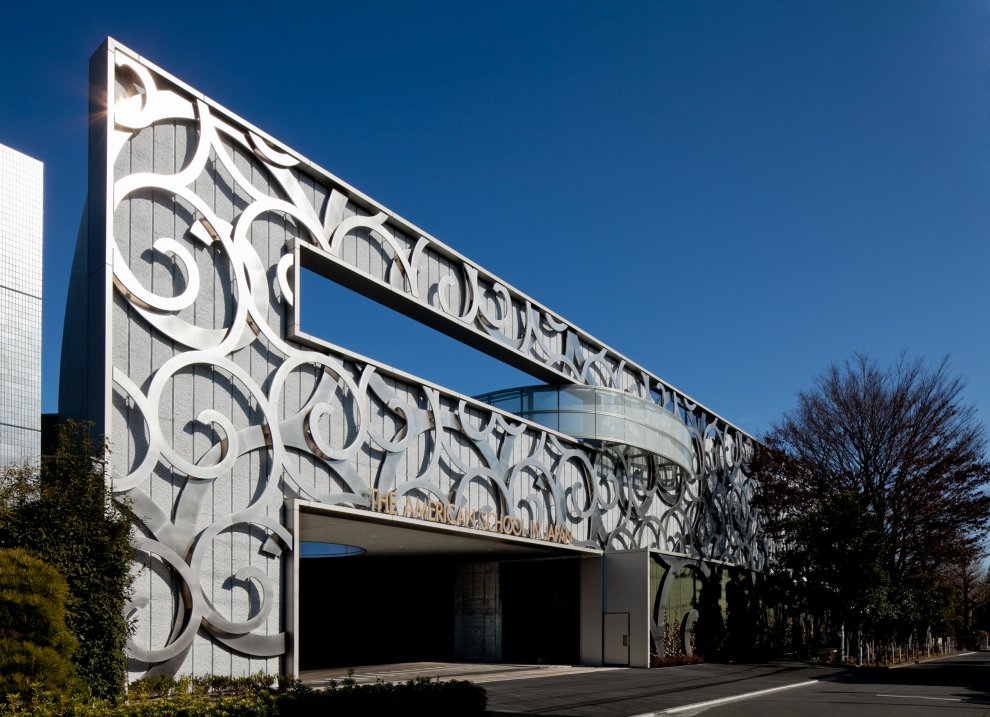
With two school-aged daughters, one of whom is entering high school next year, school is another major compass point in our family life. We have been part of a very special international community.

ASIJ

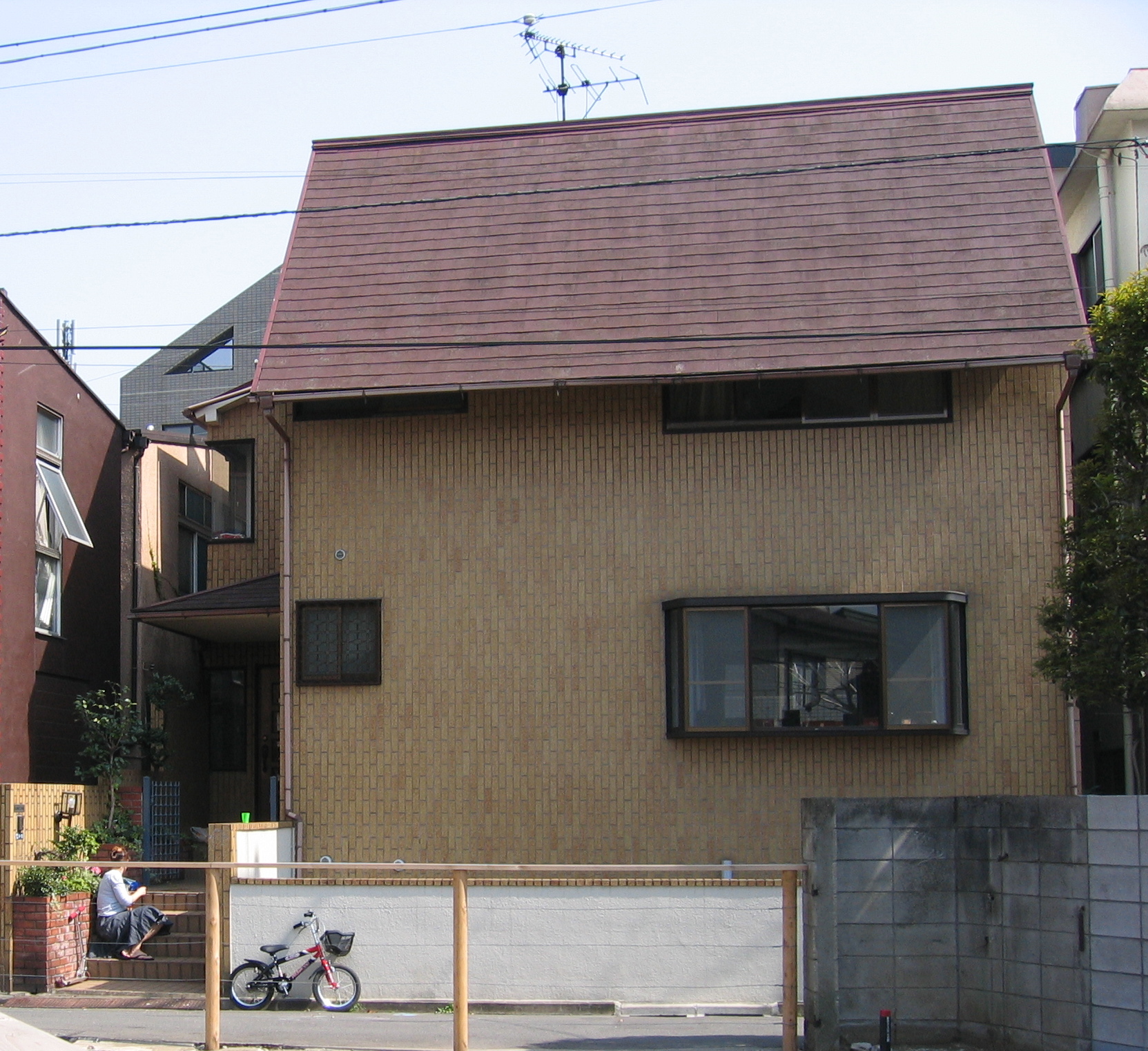
Have you ever wondered what my house in Tokyo looks like? Have you had visions of a modern architectural gem, as almost all my family and friends from the US do until they actually visit me here? Everyone seems to have an idealized vision of Japanese design chops and then…they see my house, which for Japan, is actually pretty good.

tokyo house

Not much to look at from the outside, but it has housed us well.

IMG_2880

My choice then, if I actually have one, which I may not, is between the familiar, the familial, a place I already know so well, one that hardly needs a nighttime beacon…

Empire-State-Building-in-New-York

…and a place so different from any I might ever have imagined I would live in. The idea of it scares me, but also excites me with the possibility of the new. The Torch is not quite the architectural icon that the other two towers are, but nonetheless, in my two short visits I’ve used it just the same way to help me orient myself.

IMG_0333

School for the girls could be the fulfillment of a long-held dream of mine, although repatriation may have many unexpected bumps and lumps.

PCI

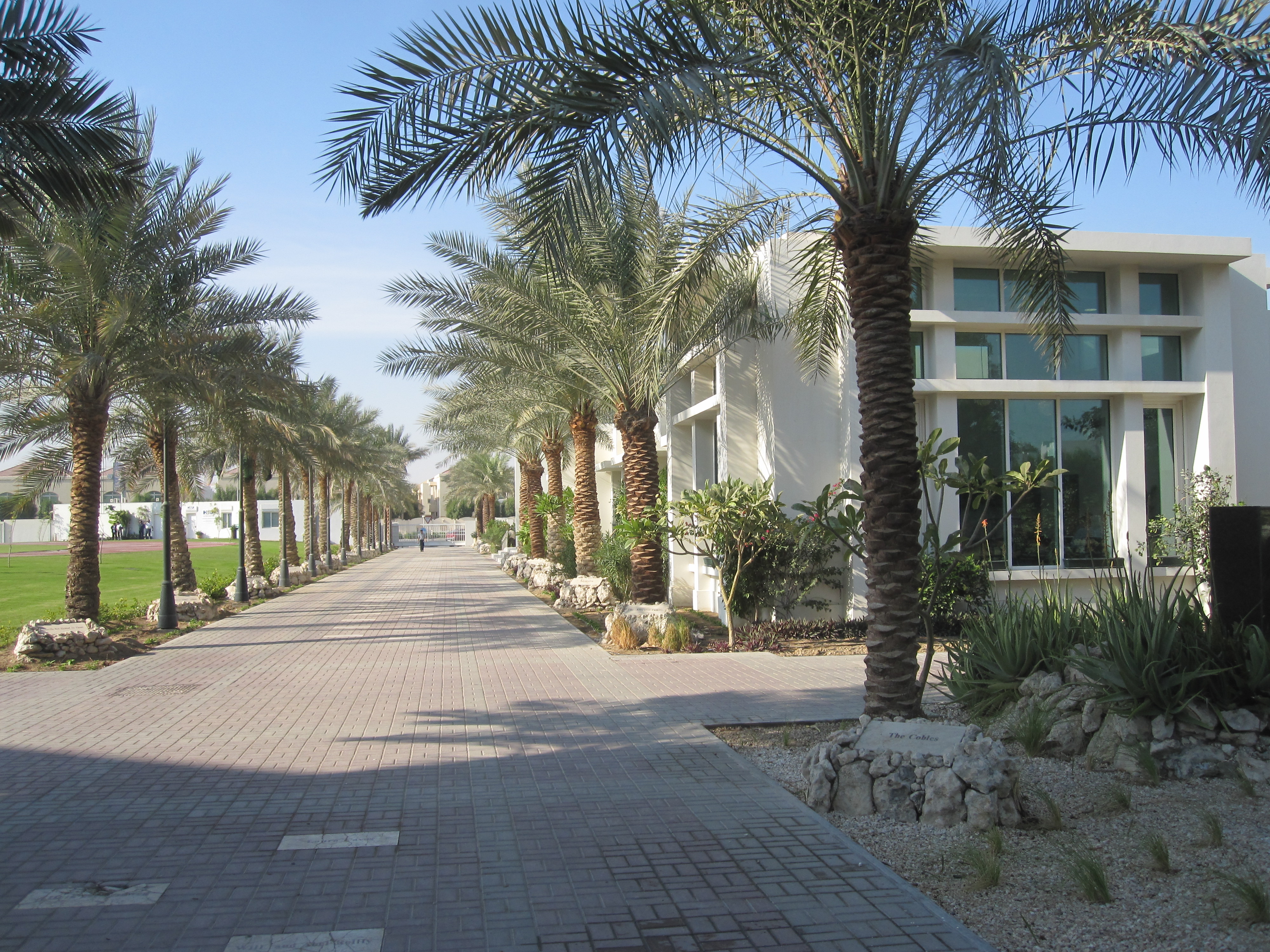
Our other choice is a continuation – and it does feel almost like an adjunct campus of their current school – of a life filled with other global nomads (that “Third Culture Kids” tag is another one I hate), possibly a much easier transition. And the chance to continue living an experiential life, instead of one where everything single thing done is really just to put on their college application, feels appealing. Palm trees and amazing facilities don’t hurt either.

IMG_0354

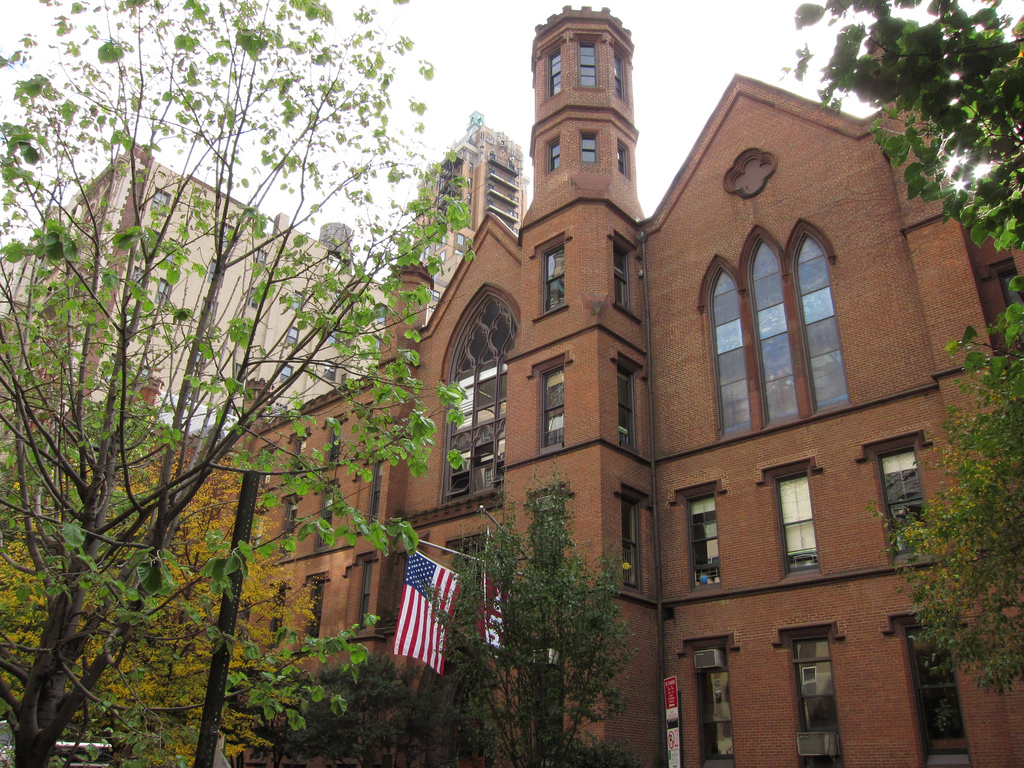
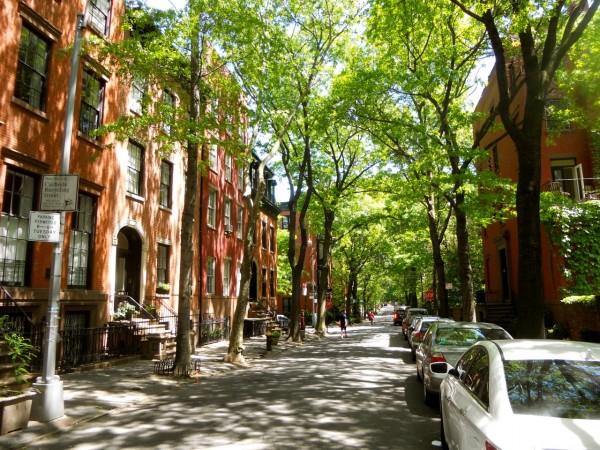
Two different sets of fantasy housing. The first has real neighborhoods, with seasons and stately sycamores overarching, near old friends and family.

Cranberry-St-Brooklyn

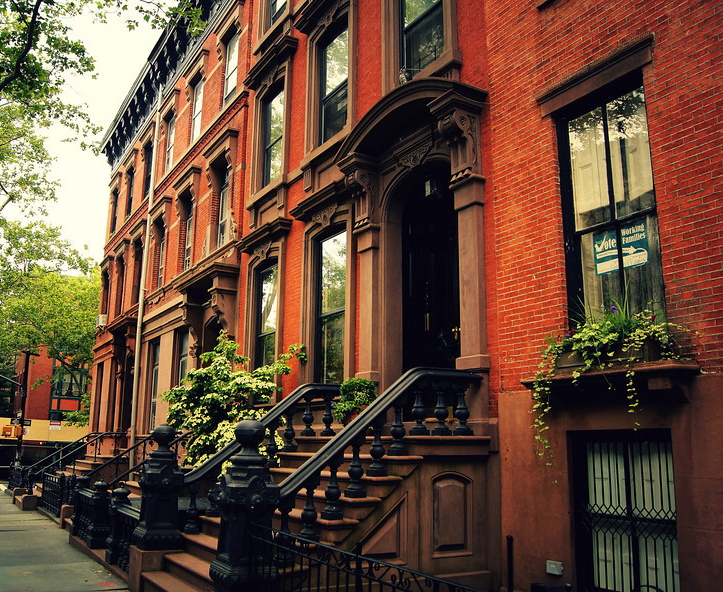
My 12-year-old suburban self determined that she would one day live in a brownstone.

park slope brownstone

My grown-up city self thinks a brick Greek Revival would do as well. I’m not picky.

Cobble Hill Brownstone - Brooklyn - New York City-L

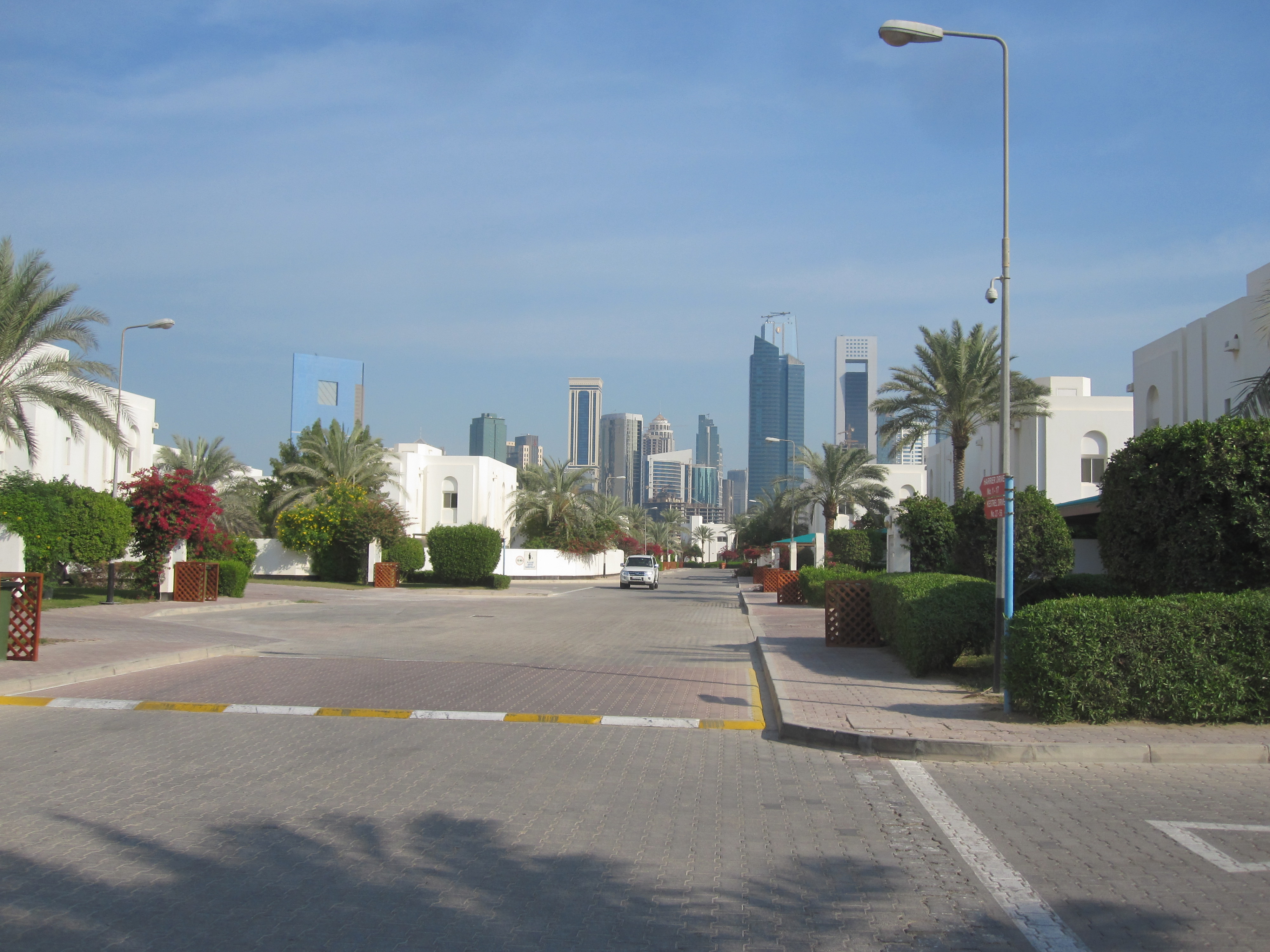
The other choice is a bit of a scary word, a “compound.” It certainly sounds a bit off-putting and I’m not sure my city self thinks the American lingo, a “gated community,” would be any better. But it comes with beautiful warm weather all year, too hot at times, but swimming possible almost everyday and an abundance of Bougainvillea.

IMG_0392

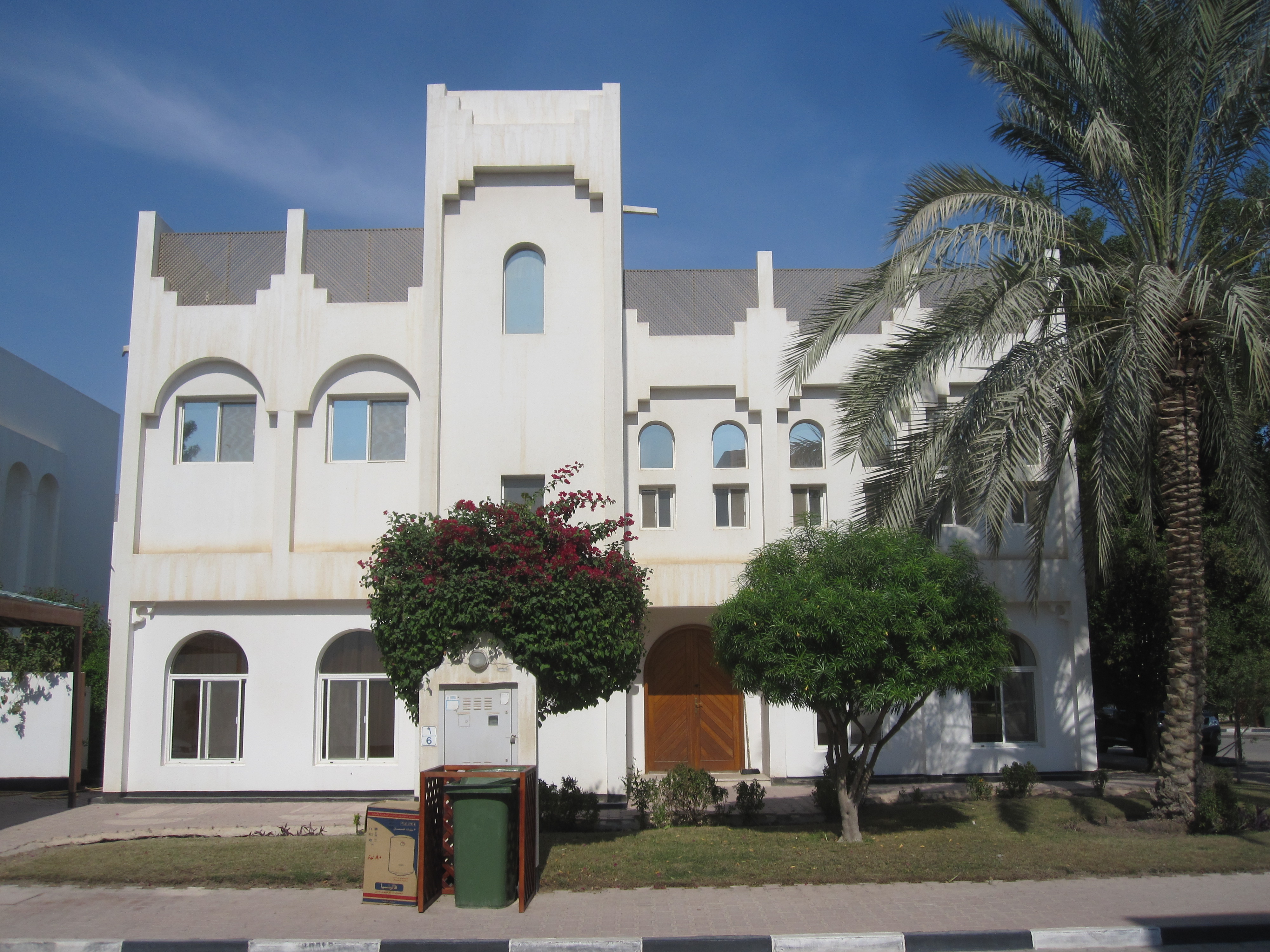
But on the other hand, the word “villa” has the best of connotations, charming and elegant.

IMG_0390

IMG_1188

Imagine sunset over the desert, bargaining at the souk, arches and jalis screens at the windows…

IMG_1189

…and tea under the loggia in the garden.

IMG_1180

Where am I choosing between you may ask? Well, I am sure you recognized New York and perhaps even the leafy tree-lined streets of Brooklyn.  The other may not be so familiar, in fact I am sure it is not. Tropical, desert, city and oh so different, sitting smack in the middle of the Middle East. Doha, Qatar.

We won’t be leaving until the end of the school year and after that we will do our usual summer at the beach in New Jersey. As for Tokyo Jinja, it will go on, just the same, with maybe a slightly expanded horizon. Tokyo Jinja is, after all, a state of mind and I am a global antiques warrior no matter where I land.


About these ads

Read Full Post »

I think it has been more than a year ago at least that I promised to do a full shopping guide to the vintage and antique stores in the Meguro neighborhood of Tokyo. Commonly referred to as Interior-dori, it stretches along both sides of Meguro-dori (dori meaning street), south-west of the Meguro train station from just past Yamate-dori, all the way down to the central post office. After my last post mentioning the lack of furniture available here, I got a few kind complaints as to the truth of that statement and thought it time to fully investigate and report on this unusual cluster of stores. These adhere to that “car dealership synchronicity” adage I have talked about elsewhere (here and here, for example) and numerous people, mostly couples, were browsing on the public holiday earlier this week. With a complete lack of parking and the train station a bit of a walk, the density of shops is needed to bring the public.

My tour starts at the intersection of Meguro-dori and Yamate-dori and heads along the south side of the street walking. I stop in at most of the shops on both sides, although there are a few I missed, so the list is not exhaustive.  There are also stores tucked away in the back streets near by, such as the lovely Found, but those are not on this tour. Many of the merchants are listed on the MISC (Meguro Interior Shops Community) webpage and the shopping map to the area that can be picked up at participating stores. Both for those really looking to furnish a home to those just looking for small gifts and Japanese styling, it is a fun outing.

While most of the stores are channeling that mid-century vibe or at the very least European shabby-chic, one of the first stores on the south side of the street is Chapter, featuring Japanese antiques.

One of their specialties is repurposing, so antique ranma (transom panels) are turned into consoles, dining tables and wall dividers. There is quite a collection of them at the back of the shop. They have great vintage milk glass fixtures too.

I thought this was ingenious – tucking a hard to use small tansu into a larger modern piece of furniture.

Brunch + SC was one of the first of five or six different Brunch outlets (Brunch Branch, Brunch Works, Brunch Time, etc.) all selling their modern versions of furniture inspired by the mid-century. You can see on their logo map below that they stretch all along the street and line both sides.

Each shop has their own particular pieces, but this photo gives a general sense of the style.  There was a western couple shopping here and the sizes of the furniture seemed normal and comfortable. Much of it is teak and order made. Really great chairs (think Wegner Wishbone) at these shops – and they are currently having a chair fest through September.

Brunch Branch nearby had charming garden items.

I had to go into chambre de nimes just based on that stacked luggage in the window.

Everything inside the shop seemed to be imported from France and the place had a real les puces vibe. This was the first of many places that also stocked vintage church pew chairs with a pocket in the back for prayer books. They are super popular here in Japan and I’ve seen them often elsewhere, particularly at the Penny Wise.

And the first, but not the last of the day, of the sewing machine base consoles. New Jersey to Japan – they are everywhere.

The next shop AMS seemed to be different owners on different floors, but the ground floor was full of vintage chandeliers and country-style antiques, including windsor, ladder back and the ubiquitous church chairs.

Next was Junks featuring all kinds of great vintage goods, mostly from the USA, including some favorites of mine such as wooden delivery boxes, printers drawers, old globes, authentic mid-century furniture…

…and this fabulous bottle drying rack for 39,800 yen ($509), which might seem expensive but…

…a similar one was for sale on OKL for the same price on the very same day.

And Becky at Buckets of Burlap just recently put her vintage zinc bottle dryer up for sale for $500.

Gallery S featured a combination of vintage and new furniture, but seemed to specialize in hats. Yes, hats. Love the wooden and painted iron desk and chairs on the right out front.

Tucked away upstairs across the small side street is Point No. 39 which looked promising just from the sign alone! And the word repair was quite intriguing as that is hard to find in Tokyo.

It did not disappoint, being stuffed full of great lighting, furniture and decorative pieces.

I loved the giant sunburst mirror. And by the way, it is also a bicycle store. Go figure!

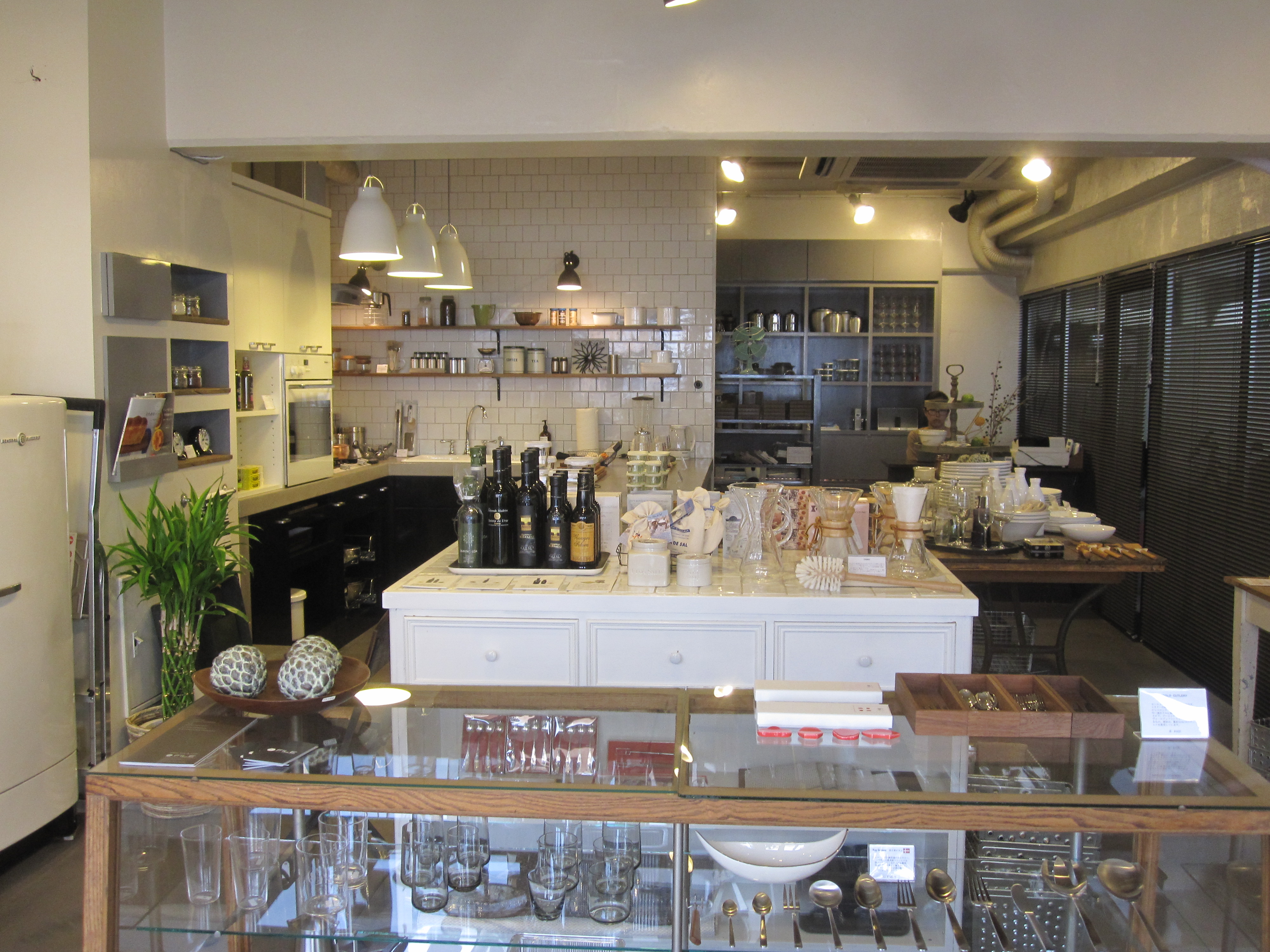
File Home and Interior was full of gorgeous housewares and also boasted one of the prettiest kitchens I have ever seen in Japan.

Turns out there are a few more File shops across the street including one that actually designs and installs kitchens.

After File, things petered out and before reaching the big Meguro post office I decided it was time to cross to the north side of the street. Anchoring the end on the other side of the street is the giant four floor Geographica. The second floor is home to a charming Italian restaurant Il Levante where I stopped for lunch. There are not many choices for food along the main drag, so I recommend it for a rest or meal.

Geographica was stocked with English antiques – they even carry Sanderson’s line of William Morris Fabrics – and at times felt a bit like a gentlemen’s club. Lots of dark wood, bentwood chairs and framed engravings. One really useful thing they stocked was a full line of knobs and pulls and other hardware. And I love these brass train racks – how great would one of these be in a bathroom? They also have a Yokohama factory shop where they do their restorations.

Pour Annick had more of the golden wood mid-century inspired furniture as well as some fun quirky items.

What about one of these bright stools for the teen bedroom project I am working on?

Since the previous shop that involved climbing stairs was such a success, I made sure to go up to Blackboard.

I was rewarded with industrial chic and some real mid-century pieces.

The curated display of found objects was inspiring too. I forgot to check if they are actually for sale. Blackboard also had some great English language design books.

Roughly across the street from Junks on this side is their sister shop Moody’s full of more vintage furniture and lighting. Many of the pieces had big signs advertising their origins, whether it be Heywood-Wakefied or Eames. It felt like there might be a great find lurking in here.

Meister is one of the leading stores on the street carrying modern versions of those same mid-century design icons, including Nakashima style wood slab tables.

This Eames molded plastic rocker is available for order in a full range of colors and was about $650.

A new Eames rocker in the US is $549 at Herman Miller or Design Within Reach.

I didn’t go into Stanley, but just the idea that there might be somewhere to have custom upholstery, rehupolstery and slip covers made here in Tokyo was revolutionary. If anyone goes in to inquire about a project, I’d love to hear about it.

The De Mode shop felt the most American of all the shops, channeling the rough luxe thing. Check out those industrial light fixtures! They have Tolix style chair too. If you click into their website, they seem to have a number of other fabulous locations, including a warehouse. Definitely something to explore next!

I found it oddly reassuring to see that I can buy glass Ball jars here although I forgot to check the prices.

Lewis specializes in Danish modern.

And at the very end of the tour, almost back to Yamate-dori are three outlets of a recycle shop called Sone Chika. Japanese recycle shops are akin to thrift stores in America and are hit and miss like you would expect. There are definitely finds to be made, although no luck for me that day.

Most of the stores are open from 11am until about 8pm and Wednesday seems to be the closure day for the area. You might want to call ahead if you are interested in a particular spot. Be sure to click the Shop Talk tab in the category list on the right side of the blog for more store reviews and neighborhood strolls.

Related Posts:
On Dumbwaiters and Butler’s Trolleys…Non-Japanese Antiques in Tokyo at The Penny Wise and Found
Shop Talk…Discovering Antique Treasures in Nishi-Ogikubo

Read Full Post »

First there was Yamamura’s suitcase, now there is Yamamoto’s trunk. With its bottle green leather exterior, fine strap work, brass fittings and nailhead detail, it is a handsome example of that species better known as a steamer trunk.

My estimate on date as I bought it was 1920s or 1930s based on its style and materials. Thanks to reader Mary Doveton, who had helped me decipher the hotel labels on Yamamura’s suitcase, we seem to be confirming that date. A quick search of the names on the label - Tajimaya 但馬屋 (Tajima which is the family name and ya which means shop) and Hiroshima 広島 – yields a shop of that name specialising in luggage and bags that has been around since 1919. Keijo was the name for Seoul when it was under Japanese occupation from 1910-1945, so it seems as if they had a branch there as well and that further confirms the time period. I have actually written to Tajimaya and attached photos of the trunk, so we will see if we get a reply!

The roots of modern trunks lie in the ancient forms of Asian travel boxes which had iron handles on either end in which to thread a carrying pole, in contrast to Europe and America, where chests were made for storage and kept in the house, such as a trousseau or hope chest a bride would take with her to marriage. It was only later, in the romantic age of travel and with the success of a young Frenchman named Louis Vuitton (and all his copycats even then) in the second half of the 19th century that trunks took on such a Western form and association.

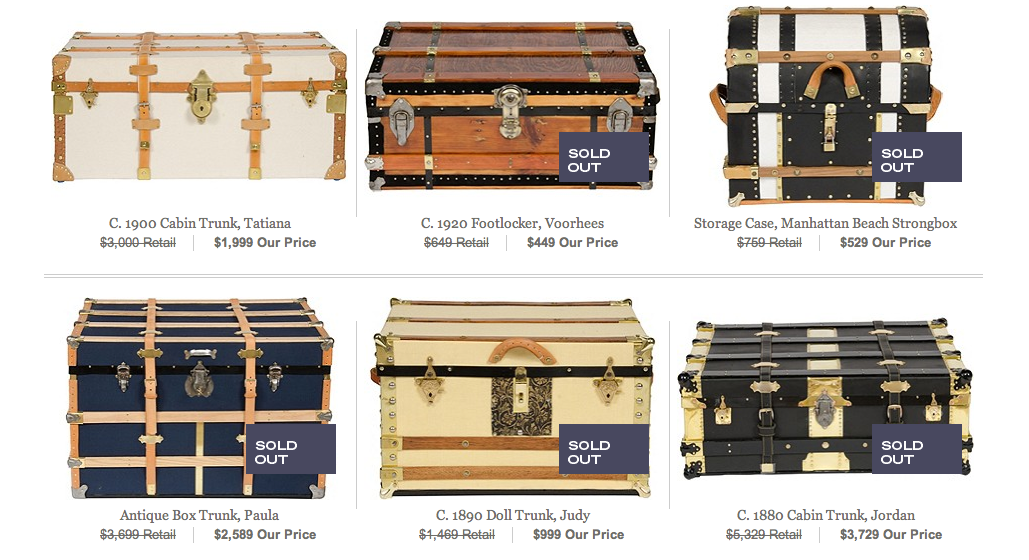
While I have only recently discovered Yamamoto’s trunk at the Kawagoe shrine sale, I had already saved some screen shots of the huge curated sale of vintage and antique steamer trunks on One Kings Lane in November. The pictures are fascinating in their variety of shape, color, material and price.

Obviously few people travel with trunks anymore these days, but they have taken on a popular new life as coffee tables. Their boxy shape fits with different decor, the simple flat top is easy to style and perhaps, best of all, they offer spare storage space.

Scott Currie creates a gorgeously elegant room with a fantastic nailhead edged ship captains chest. Make sure to look at that coral aquarium atop the Dorothy Draper style chest (it is a beach house after all) and the bottle lamp in the corner.

In contrast to the vibrantly colored beach house above is Victoria Hagan‘s study in white, again punctuated by a fantastic trunk rimmed in nailheads.

And another similar one in this wood-paneled library, also by Victoria Hagan.

The combination of trunk, clock, industrial lamp, along with the needlepoint pillow (more on those soon) and Union Jack on the velvet Chesterfield strikes a perfect eclectic mix. I love how casual but interesting this room is.

On the other hand, a vintage trunk can soften even the most formal of rooms.

If you know me and my obsessions, I am sure you’ll realize that I am as captivated by those glass bottles atop the secretary as the creamy trunk.

There were numerous metal clad chests in the OKL photos above. Here Emily Henderson from Secrets of a Stylist uses a similar one in this light filled LA living room.

She also uses another trunk, this time in rich aged leather, to anchor the den in the same house.

For the most part I have avoided the whole luxury trunk market (i.e. Louis Vuitton) in this post as there are lots of images out there on other blogs and websites, but I couldn’t resist this one doing double duty as storage in the small NYC studio apartment of Nausheen Shah as this 1890s LV trunk has labels from Japan and Singapore. If you do want to see more images with Louis Vuitton trunks, take a look at my Vintage Luggage board on Pinterest.

In terms of trends, you can’t imagine how many of the images featuring trunks are laid across zebra or other animal hide rugs like the ones above. I think the trunks bring up romantic images of 19th century travel to far-flung exotic places, so I get the combination, but I actually prefer the perfect global mix below. That canopy is amazing!

Coincidentally, in terms of Japanese influence on the world, did you know that the Louis Vuitton monogram was a Victorian invention derived from the Japanese motifs so popular in Europe at that time? Think about it – kamon anyone?

I hope you enjoyed this week of shrine sale stories, featuring something high-end (the French bar cart), something low-brow (the laundry hangers) and now something in between!

Related Posts:
If Only This Suitcase Could Talk
Research From a Reader…More On Yamamura-San’s Suitcase
Yamamura Really Got Around…More Details on His Suitcase Travels

Image credits; 1-2. me, 3-5. screenshots via One Kings Lane, 6. via The Meadows Antiques and Interiors, 7. Elle Decor July 2009, photo credit: Roger Davies, 8. House Beautiful June 1999, photo credit: William Waldron, 9. via Victoria Hagan, 10. via style-edition.com, 11. House Beautiful June 2002, photo credit: Carlos Emilio, 12. Country Living October 2010, 13-14. via HGTV, 15. via A Shah’s Life, 16. House Beautiful October 1993, photo credit: Richard Felber, 17. via louisvuittonaddicted.com.

Read Full Post »

So I guess the truth is, I am not tough. Along with much of the rest of the expat community, I am leaving (fleeing?), ostensibly just early spring break, as school is now closed this week as power and train service is unclear.  I shrug and tell myself next week was spring break anyway, but still I feel guilty to be going. There has been so much panic mongering (I don’t think I will ever be able to trust CNN again after watching their coverage), and I don’t want to join that train, but nonetheless, I can’t seem to keep myself off it. Unfortunately, my husband is staying behind to work. The constantly difficult piece of my expat life is being so often separated from him, but as soon as I find myself getting lachrymose, I just think of the suffering being endured by so many here in Japan and I get my perspective back. We are so lucky to be headed out to vacation!

I’ll be blogging on the road (the Mac seems to have come back to life after drying out), bringing you art and antiques from Singapore and Thailand. I need something to get my mind off the situation at home! I have also been featured on an Ocean Grove blog called Blogfinger. The writer of the blog, Paul Goldfinger contacted me for more information about our experience here in Japan and wrote an article about us. Check it out here if you are interested.

I just wanted to remind everyone of options for donations towards relief and rebuilding. Here’s a great link with information on multiple agencies working to help.

Thank you all again for your wishes, comments and prayers on our behalf.  And to make you smile, here is a photo of the Japanese Self Defense Force rescuing a 4 month old baby!

Read Full Post »

“Because of the great earthquake, his house, studio, and storage house were devastated: 
the pillars of the house were snapped, all window panes were smashed.
on the floor in the studio, all colors of frits were scattered. 
the heavy kilns moved unbelievably away. 
To my sorrow, it seemed like all of their glass works in the storage house were damaged.”
-Keiko, friend of Kimiake and Shin-ichi Higuchi
 
 
This is just one small story of many in the aftermath of the great Japan earthquake of March 11, 2011. Kimiake and Shin-ichi Higuchi are masters of the art glass technique known as Pâte de Verre, in which glass powder is packed into a mold and then fired in the kiln. Glass Art Magazine has said ”many see Kimiake and Shin-ichi Higuchi as the King and Queen of Pâte de Verre. Their work in this medium possesses luster, translucency and shine that seems unfathomable.” Both artists are fine after the quake, but their studio, home and much of their work has been destroyed.

The Higuchis are both inspired by items from nature. Kimiake often works with flowers or vegetables she grows herself in her extraordinary gardens and creates works of such startling clarity and color one can almost believe they are real. “I pick each bloom or leaf in the moment of its prime, and in my hands the plants become glass.”
Shin-ichi uses insects as a common theme in his work to express his concern for the environment and the loss of so many small creatures. “In our civilization, human ego is destroying so much of nature,” he explains, “Some of the most victimized are the smallest creatures. My pieces convey a warning about the insects and also my feelings about their loss.” I love how modern and yet quintessentially Japanese the honeycomb pattern is on his mosaic Bees Casket in the collection of the Corning Museum of Glass, where they had planned to do their annual workshop this summer.  Unfortunately, it looks as if this will have to be cancelled.

Photo credits: 1. via GlassFacts.info, 2 & 3. via Corning Museum of Glass

Read Full Post »

Humour might not be appropriate right now, but sometimes it is all you’ve got. As I type this, another aftershock reverberates through the house, smaller that the 30 or so full-sized earthquake ones that continued yesterday afternoon and evening in the wake of the 8.9 epic earthquake off the coast of Sendai. I feel like I am in limbo. All here in Tokyo is well with my family and friends, but not so up along the north coast of Japan.

My personal experience was terrifying.  When you have lived here as long as I have (almost 7 years now), you have experienced many earthquakes. They are always scary, but this one was different.  All of my family was scattered, fairly far and wide. I had made a spur of the moment decision, about 40 minutes before the quake, to drive to the mall at Odaiba, an American style mall with a Toy “R” Us built on a small landfill island in Tokyo Bay. My cellphone battery was low so I didn’t call to tell anyone where I was going. I parked up on the 5th floor of the parking structure and went inside. Just as I got there, people began streaming out of the store, clutching their children. At first I thought something crazy was happening inside, but then quickly realized my mistake.  We all fled from the building out to the roadway along the small beach while the quake finished. The ground shook so I could barely stand up or keep my balance. I felt that the sidewalk beneath my feet was made of shifting sand. As the daughter of a water/ground systems/structural engineer and I know that man-made land can basically liquefy in an earthquake.  During the great Kobe earthquake of 1995, the landfill islands around Kobe sunk. And the noise! Everything even sightly unsecured joined in the cacaphony…

After the first earthquake, waves of others began coming. And then the tsunami alarms went off, advising people to seek higher ground. Well, there simply is no higher ground in Obaiba - it is about a mile square – surrounded by water on all sides. I did not know yet that the epicenter was in Sendai, I just knew that I was on the flattest, most vulnerable piece of land in all of Tokyo and that nobody knew I was there! I don’t know why dying alone seems so much scarier than dying with the people you love around you, but it does. Odaiba is linked by a giant suspension bridge (think Verrazano or Golden Gate) to the mainland and I could see that cars were still moving briskly across it. I couldn’t bear to stay where I was. They were not prohibiting people from re-entering the building, simply from using the elevators, so I ran up the five flights of stairs and tore down the ramp of the garage. I had met a Canadian man and his Japanese girlfriend while waiting and they wanted to go with me, so they jumped in the car and we drove across the bridge. Once we were on the other side, it was not even 10 minutes to home and I could have walked if necessary. I think if I had not left so quickly, I would have been stuck there all night!

Gathering my chicks was the next step, although I had been sustained through my ordeal by knowing they were in safer places than I. While cell phones were not working at all, the land lines at home were and I was finally able to speak with my husband, safe on the still swaying 25th floor of the brand new Marunouchi Trust Building. All new construction in Tokyo is built on rollers so that the buildings can move with an earthquake. My husband said looking out the window he could see all the buildings swaying, like trees in the wind. My younger daughter was on a playdate with a friend in the park when it happened and they quickly went home. But my older daughter was out at school, normally a 45 minute ride on the school bus. The quake had hit about 15 minutes before dismissal, and the school’s excellent emergency procedures clicked quickly into place. Around 4:30 they sent the buses out, driving on local roads, as the highways were all closed. The traffic was basically at a standstill and she did not get home until after 12:30, exhausted, but in good spirits.

Our damage at home was minimal. The fish tank overflowed everywhere, trashing my new Mac laptop, but worse (in the eyes of the children at least), sweeping our newest family member, the rainbow guppie named WW by our guests last week, to an early demise. Things were thrown around the house and quite a few regular dishes and glasses broke in the cupboards, but not a single piece of antique porcelain was broken. My beloved blanc de chine was toppled and tossed about, but is all intact.

Blue and white porcelain rattled to the edge, but did not go over…

For those of you who have been reading this blog for a while, you know it is a blog about stuff, and while it may seem silly to write about material goods which are not intrinsically important, they do bind us to our own histories and lives. I would have been crushed had the porcelain all been broken instead of the computer, although that having been said, a computer can contain an irreplaceable history of photographs and correspondence. In my case, it was new and relatively unused. For those most affected by the quake and tsunami, the loss of their belongings and connections must be devastating, even while they are grateful for their lives, as not all were so lucky. In that spirit, I encourage everyone to make a donation towards rebuilding. An easy way is to go online to the Red Cross and donate directly to the International Disaster Relief Fund. Personally, I am so thankful for the wishes and prayers that have poured in from friends, family and readers all over.

Ironically, devastation is not limited to big events like these.  While we are fine here, the very same day there was a huge fire up the street from us in our beloved beach town Ocean Grove, where we have been renovating and furnishing an 1880s Victorian that I have been chronicling on the blog. Our dearest friends there have lost their home, as have numerous others.

So my rebuilding efforts and my heart are split in two directions…

Photo of fire in Ocean Grove from Asbury Park Press, photo credit: James J. Connolly.

Read Full Post »

Although it has dwindled in size over the last few years, you will usually still find me at the Nogi shrine sale on the second Sunday of the month.  Started in 1976 (more or less) and considered to be the oldest shrine sale in the Kanto region, it still has some excellent dealers, although nowhere near the 40 that guidebooks list. I imagine they get a lot of gaijin (foreigners) as it is one of the most conveniently located sales. I know I often bump into friends. And it was the first sale I ever attended when I moved here 6 years ago.

Today there were 11 dealers – the usual suspects – plus an obi/textile dealer I had not seen there before.  The merchandise all felt high end,  as it generally does there, or perhaps it was just fresh to my eye as I have been gone all summer. Here are some photos of the goodies…

There was a dealer there this morning whom I had seen before but never really stopped to examine her wares. She specializes in ephemera and has the usual prints and postcards, which tend to be romanticized images of old Japan and copies of ukiyo-e.  Today she had an extraordinary collection of matchbook covers from the 1920s and 30s, all carefully mounted in album pages by the original collector.  I was smitten by them all, but limited myself to just a few sheets, which I plan on framing.  Each matchbook cover is in itself an individual work of art, complete in just 2″x1″, but grouped together they were something more. The Taisho era between the World Wars was a time  in which the trappings of modernity were truly embraced, much in the way they were in the West.  Advertising of the era shows the changes in society – cafe culture, women’s liberation and female buying power, rise of the middle class, etc.

Isetan Department Store (the 2 on bottom right) is like the Saks Fifth Avenue of Japan.

These were grouped by design – one page all momiji (maple leaves) and the other gourds.

The stylized figures and art deco colors of the Nozawaya Department store cover overlayed with a traditional style Japanese seal is a great example of advertising art from the era (upper right corner).

A great dated cover for a salon.

Opportunities for travel expanded. Hotels and their bars became places young moderns would “hang out”.

All in all, a truly unusual find today.

Read Full Post »

Follow

Get every new post delivered to your Inbox.

Join 404 other followers

%d bloggers like this: