Feeds:
Posts
Comments

Archive for the ‘Ephemera’ Category

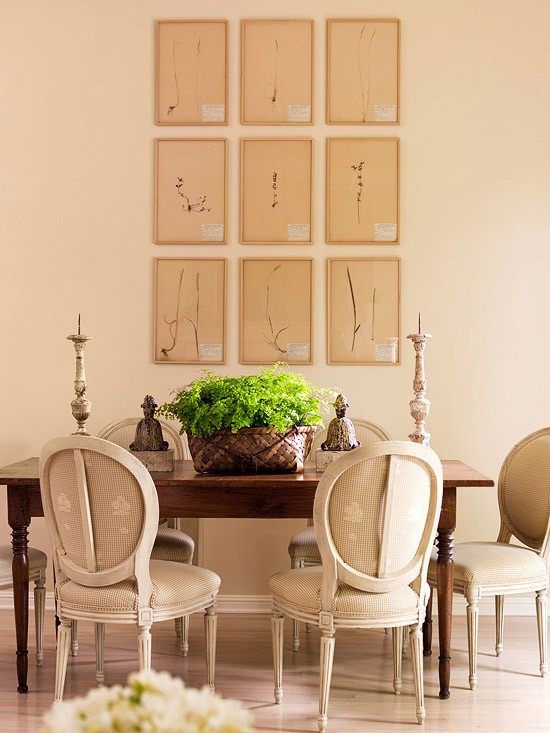
spare pale botanicals

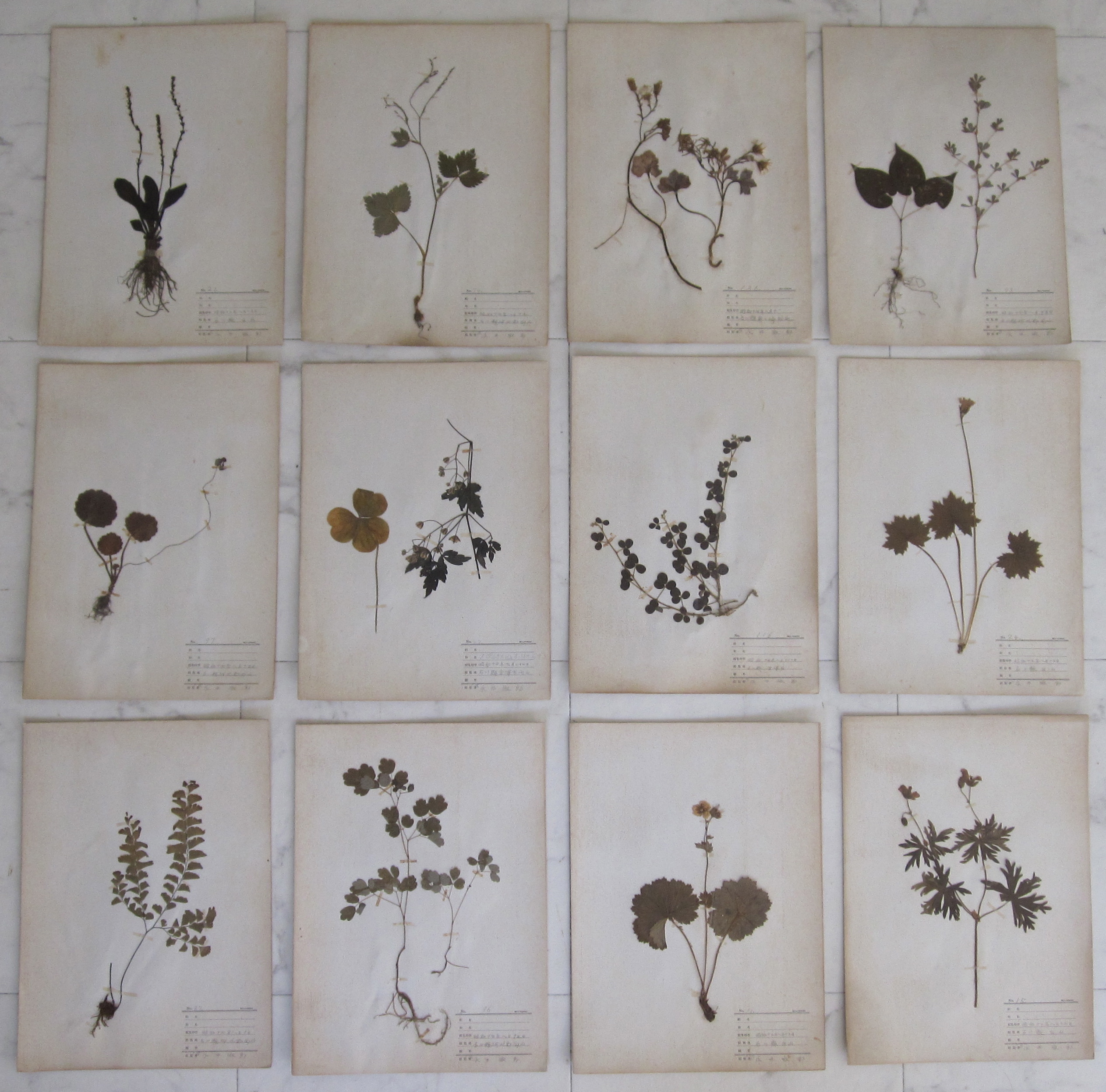
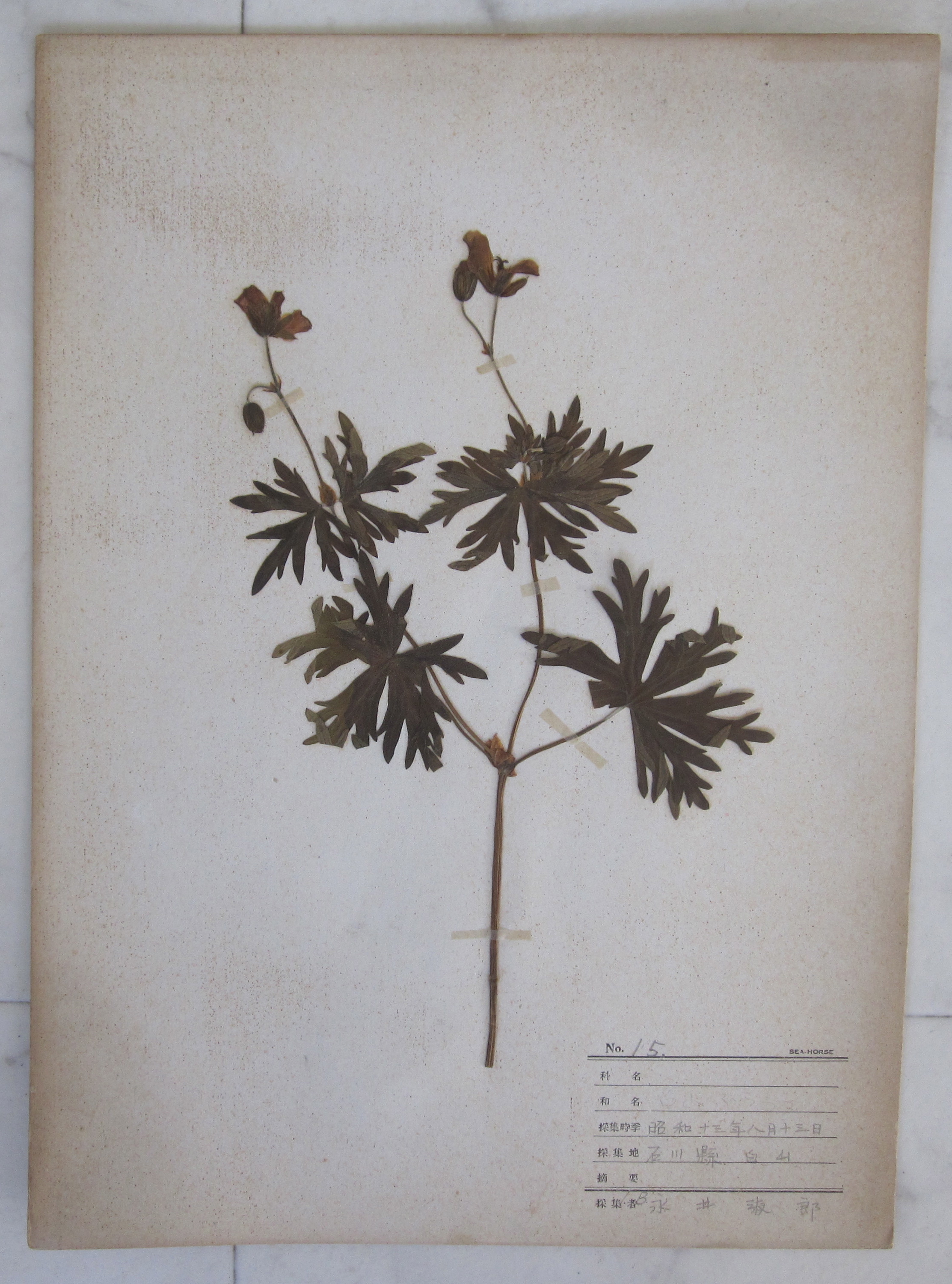
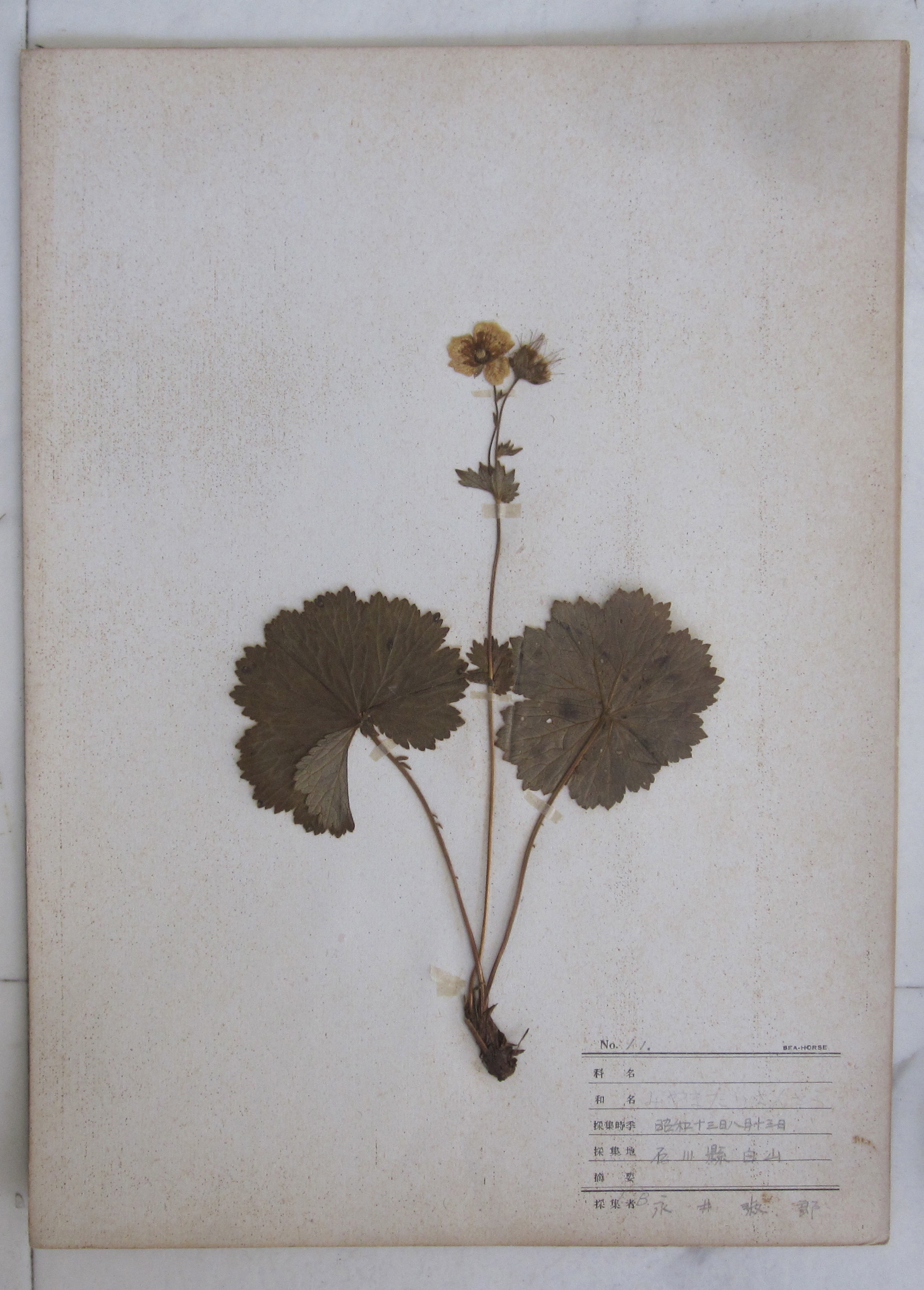
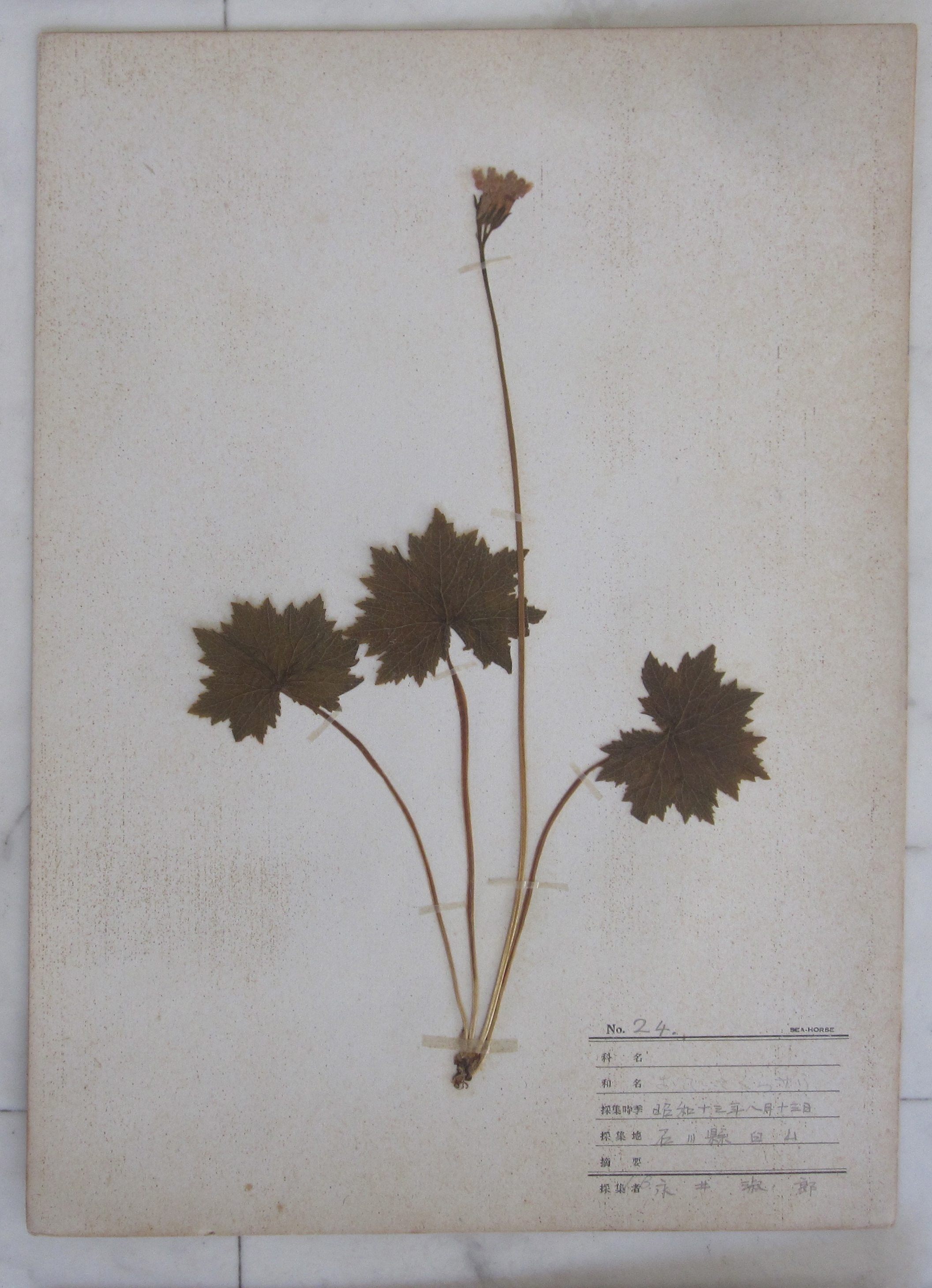
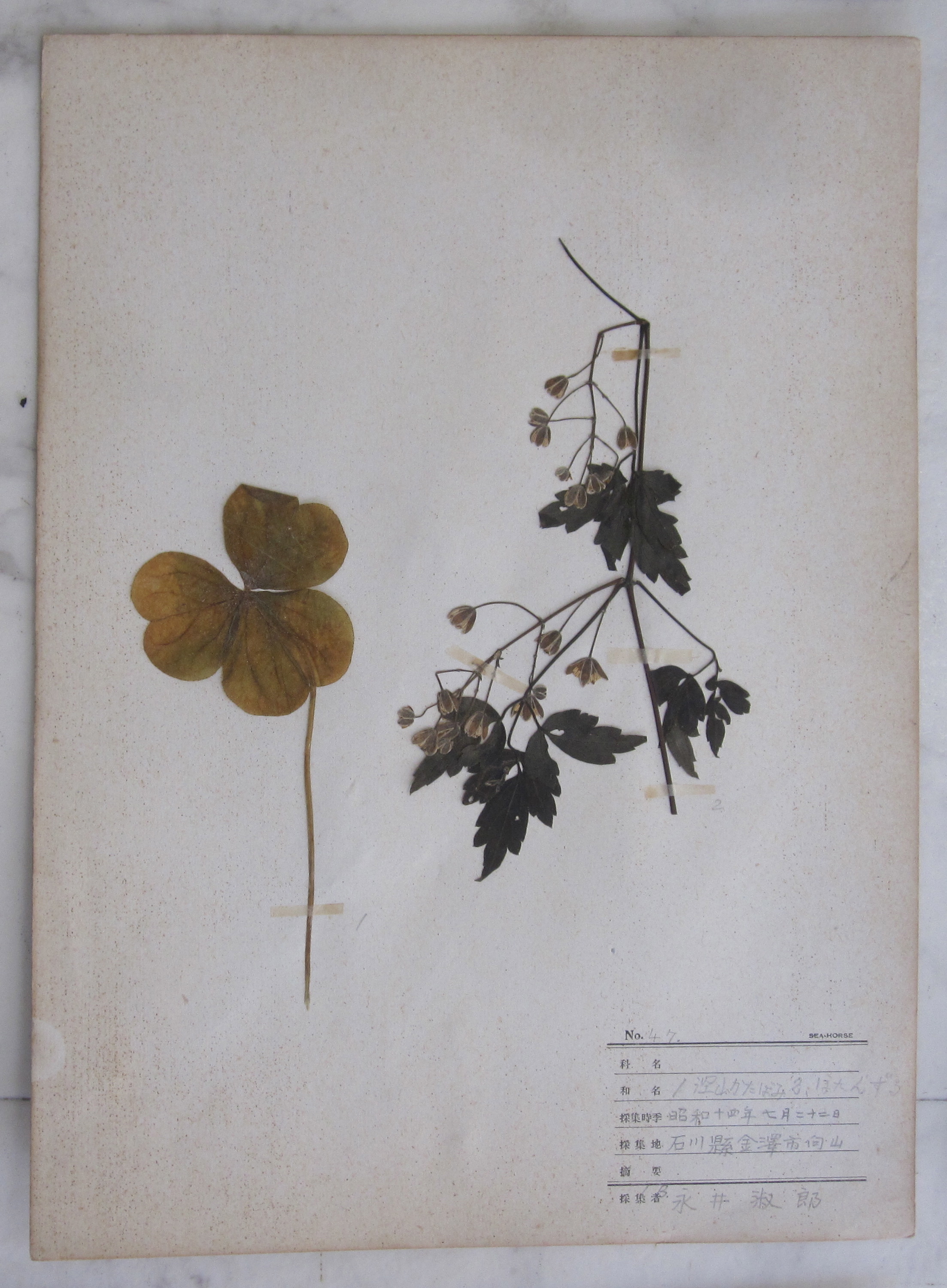
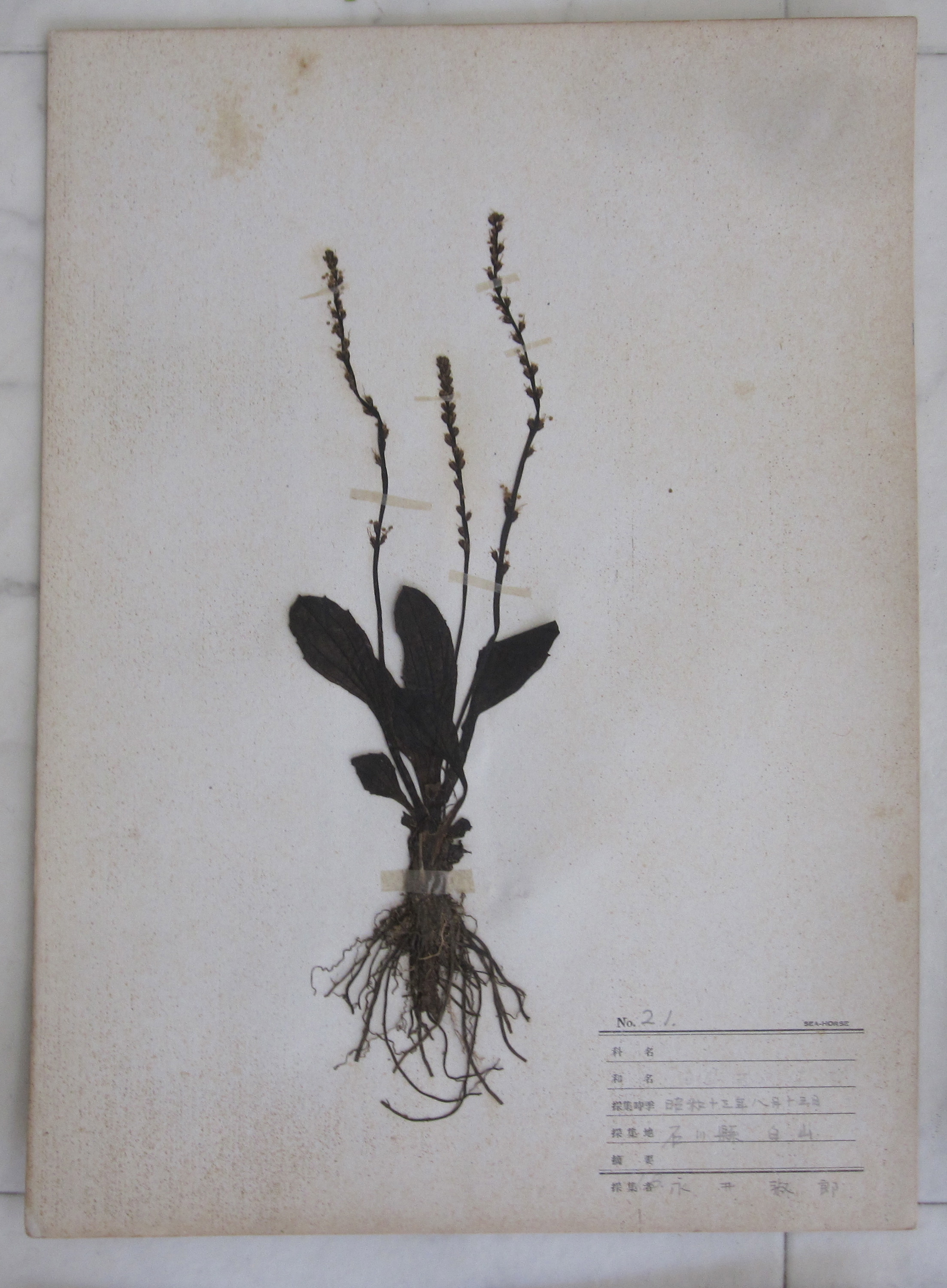
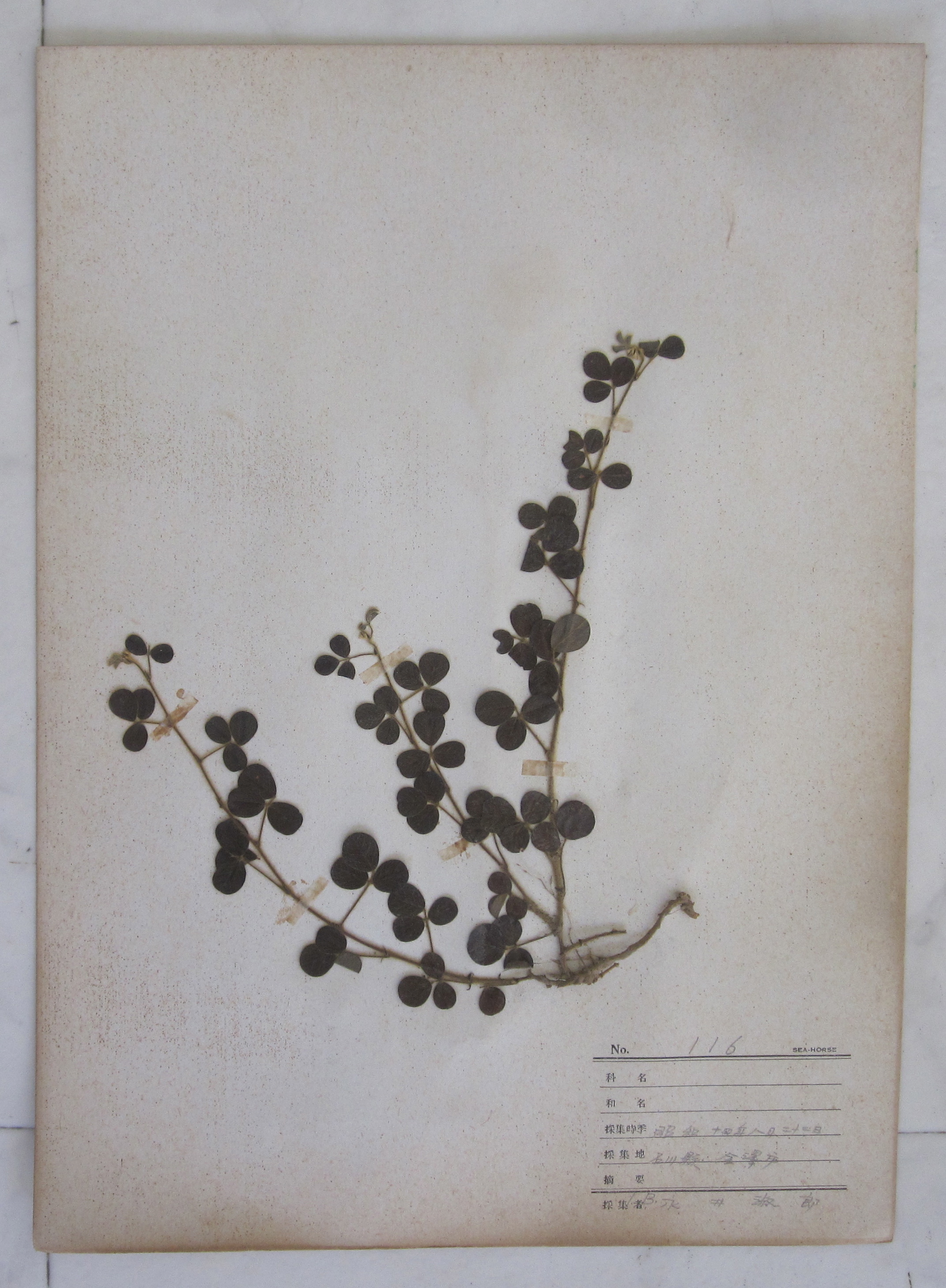
Finding fabulous non-Japanese items, particularly French ones, seems to be a recent theme with me.  So imagine my surprise when I stumbled across these amazing herbiers (pressed and labeled botanicals) recently at a tiny Japanese antique store miles and miles away from Tokyo. Used as scientific tools in many countries for hundreds of years, they are quintessentially French to my mind, although I have also seen many Scandinavian examples. So my surprise continued when I looked closely and discovered that these are actually Japanese, from 1939!

herbiers group

I only bought 12 of them, thinking it a good number that works either 3×4 or 4×3…

herbiers 3x4

…or even 2 rows of 6, either horizontal or vertical.

herbiers 2x6

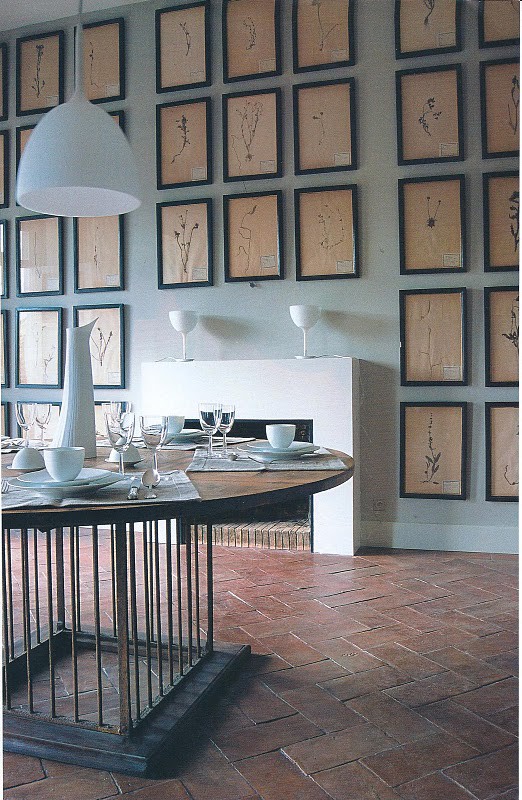
I picked out some of my favorites from the three binders, but I am thinking that perhaps I need to go back and buy them all. They can look amazing in a huge massed display.

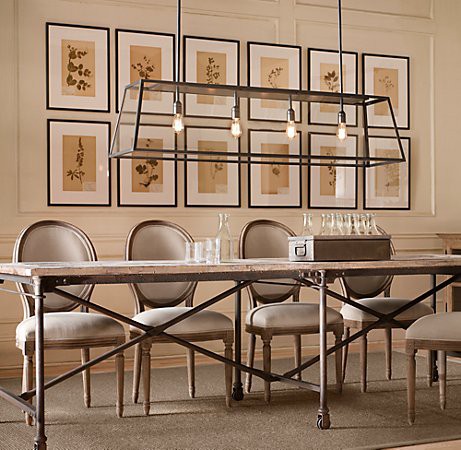
huge displey of herbiers against dark paint

Note how different they look with dark frames against colored walls.

herbiers with black frames against blue

Some, like the oxalis, I can identify by sight, while others will need translation. The paper is lightly foxed, but I think the patina only adds to their charm. I can’t resist showing them each in close-up – how many can you identify?

IMG_0486 IMG_0487 IMG_0489 IMG_0490 IMG_0491 IMG_0492 IMG_0493 IMG_0494 IMG_0495 IMG_0496 IMG_0497 IMG_0498

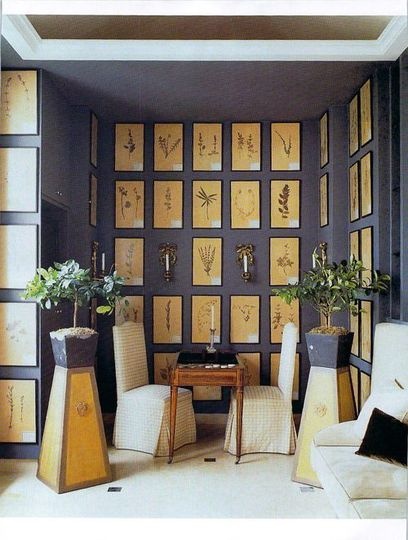
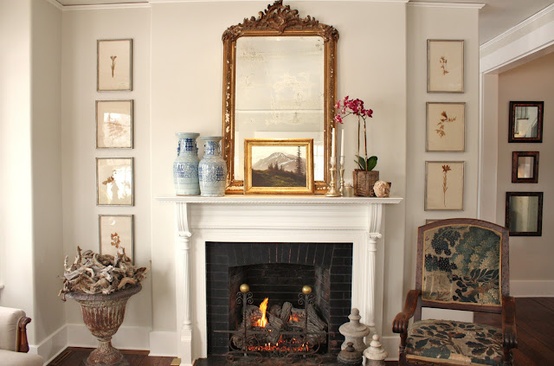
Many views of pressed botanicals can be found in the homes of great bloggers, from Brooke

Brooke Gianetti master bath herbiers

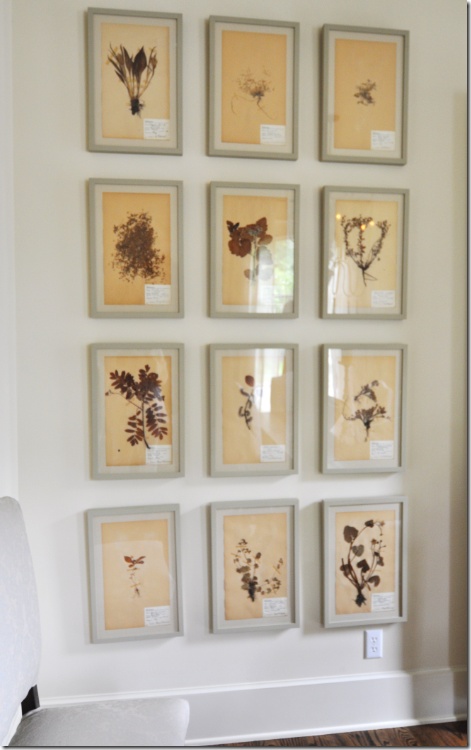
…to Joan.

herbiers joan

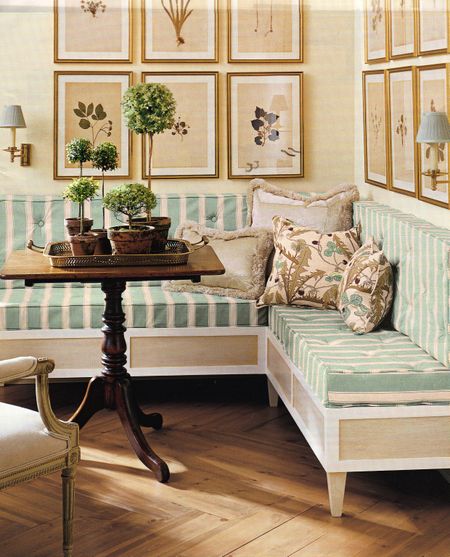
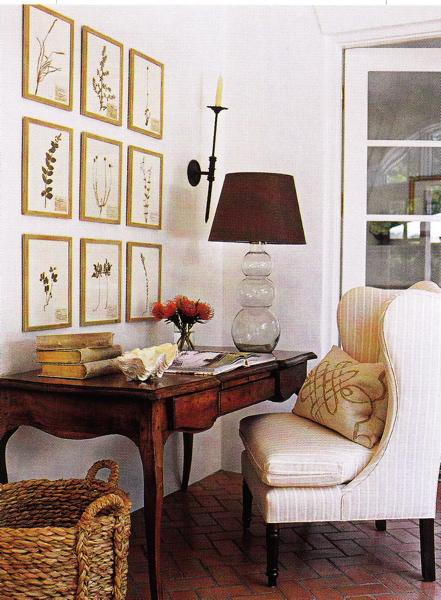
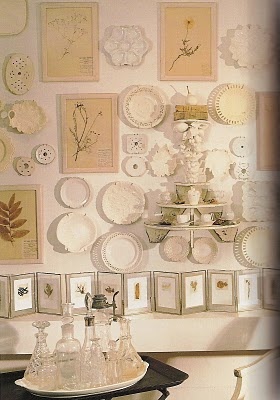
Hugely trendy in decor right now, I already had a Pinterest page devoted to them with some of my favorite images and different ways to frame them.

MSL banquette Kime herbiers

botanicals over desk

herbiers plus creamware

Take a look here for more images and the photo credits. I’ll let you know if I go back and get them all!

Related Posts:
Tussle at the Antique Jamboree…or the Never Wait Rule

About these ads

Read Full Post »

Jenny’s post the other day on the great Warhol print she got for her little girls’ room reminded me of something – another kind of print – a vintage Japanese woodblock one called chiyogami, that looks a lot like her Warhol on a much smaller scale.

Chiyogami (chiyo meaning “a thousand years” or “through eternity” and kami/gami “paper”) has been made since the Edo era and continues to be popular today. Early papers, like these examples from the Taisho period between the wars were block printed much in the same way as traditional ukiyo-eI think their bright colors and stylized prints, based originally on kimono fabric patterns, would look wonderful hung en masse in a child’s room. While based on traditional designs, these patterns skirt the edges of Art Nouveau and Art Deco.

Simple frames of the IKEA variety are one inexpensive and easy way to complete a wall display…

…while wrapping canvas stretchers is a bit more unusual. These are covered in modern chiyogami examples.

New chiyogami is available all over Japan and online at all the paper sites, but the new pieces are silkscreened or machine printed and don’t have quite the same feel. Maybe it’s because the patterns have become ubiquitous to me, but framed they look too much like scrapbook paper – one-dimensional with no heft to the paper. But actually, still pretty…

I love framing and hanging things that were never meant for that purpose.

Related Posts:
Hanga 101…a Quick Primer on Japanese Prints

Image credits: 1. via Little Green Notebook, 2-9. me, 10. via Style at Home, 11-12. via Apartment Therapy.

Read Full Post »

One of the best things about our charming beach town is the plethora of activities available all summer. From the Junior Lifeguard program, library book clubs, drop in tennis clinics, sand castle contests, movies on the beach, and regular fireworks to the crafting workshops sponsored by the local Historical Society, there is always something for the kids to do on any given day at any given time. On Monday, the girls and I participated in a wonderful paper flowers class, run by teacher and artist Laura McHugh on the lawn at Centennial Cottage in town. It was a glorious day – mid 80s and dry.

We learned how to make a number of kinds of paper flowers, including my favorites, made from vintage book pages, scrap booking paper and any other interesting ephemera – such as maps – that we had available. Both luck and my subconscious steered me towards making flowers in the soft colors of my downstairs rooms, and I am dying to figure out a way to use or display the big group above. Ideas anyone?

The basic technique was easy. A square paper was folded in a triangle, then folded again into a smaller triangle, and then the corners were folded back on each side to make yet a smaller triangle. A petal shape was cut into the top open edge of the triangles and voila, a flower upon opening. See the quick video tutorial below for details. We also used some flower punches and press rollers, all available at local craft stores, for some of our flower shapes, but I prefer being creative with the hand cut ones.

We also made classic Mexican tissue paper flowers, which I hadn’t done since I was a kid. Talk about easy and big bang satisfying! Hours of rainy day fun but we have even been continuing on sunny days! Check out the video tutorial below.

Hey, Felt So Cute, she’s hot on your trail to make the best headband ever!

Laura has written a great post on the class  - featuring lots of photos of my kids and their handiwork – which also gives a sense of the charm of the town. Take a look at her blog Vintage2Glam. We can’t wait for her July 25th class on macrame!

Last summer we did a paper cutting workshop with Mindy Shapiro that is being offered again this summer on July 27. Some friends were visiting and we all had a blast. I think she has a new project for her class this year, so we may just have to do it again.

The full calendar of events is attached here. It includes everything from this workshop to crazy quilting classes.

Read Full Post »

Today was slim on the ground for shrine sales being the second Sunday of the month, but Tomioka Hachiman did not disappoint. It was a day full of friends from out-of-town and extraordinary porcelain, including a few cute and very atypical Japanese pieces bought for the beach house. The small green iris pickle dish will be perfect on the dresser or night table in the beach house guest room for holding jewelry and other trinkets.

It reminded me of the Korin Ogata screens and the garden at the Nezu Museum.

The small Imari-meets-lustreware dish has all the pretty colors in the downstairs rooms of the beach house. Don’t know how I’ll be using it – perhaps as part of a wall display, perhaps on a stack of books on the coffee table to hold olive and cherry pits.

But the person who had the most fun today was my elder daughter who happened upon a stall selling vintage matchbooks from the 1930s-1950s. We have often seen matchbox covers mounted on pages, but not often the entire matchboxes. The dealer had hundreds of them in three big boxes and she spent significant time sorting through them and putting together a charming collection which we plan to place in a shadow box frame. You’ll note her signature colors of lavender and blue.

The story comes as she was choosing her boxes. Much to her chagrin, another man came up behind and offered to buy zenbu – everything – from the dealer. It hadn’t occurred to us and we were immediately sad to see the entire collection go! Luckily, the dealer offered us a few as “service” gifts for making a purchase before he sold off the boxes. We managed to grab a few historical gems.

The first matchbox, dated 1939, features Frank Lloyd Wright’s famous Imperial Hotel, with its stylized logo on one side and Mt. Fuji and an early version of the Shinkansen (bullet train) on the other.

Finished in 1923, the hotel was one of Wright’s masterpieces, famously surviving the Great Kanto Earthquake that year, and in use as the premier Tokyo hotel until 1968 when it was deemed outdated and tragically torn down.

The other matchbox could not have been more timely, featuring the 1948 London Olympics on one side and the 1952 Helsinki Olympics on the other.

Wondering what they might fetch among collectors. Ebay maybe?

Image Credits:  Iris photo by Joseph Keating, via Atsuko & Joe, Imperial Hotel postcard via Old Tokyo, all other photos by me.

Read Full Post »

As a child in Japan, I used to go to a temple and write out a wish on a piece of thin paper and tie it around the branch of a tree. Trees in temple courtyards were always filled with people’s wish knots, which looked like white flowers blossoming from afar.”

Yoko Ono: “All My Works Are A Form Of Wishing”

Yoko Ono has picked up on and modernized a 2000 year old tradition called tanabata wherein people write their wishes on tanzaku (colorful, small strips of paper) and hang them on trees. These temple wishes can be seen throughout Japanese art history, from this circa 1675 byobu (screen) by Tosa Mitsuoki now held by the The Art Institute of Chicago, to this 1852 woodblock print by Hiroshige, from his Thirty-six Views of Mt. Fuji series.

Ono’s project, begun in 1996, is to have wish trees placed all over the world and those wishes for peace gathered together for her Imagine Peace Tower. From the courtyard of the Museum of Modern Art in New York City…

… to the United States Ambassador’s residence here in Tokyo. It was my first viewing of this wish tree that inspired me to do something similar for my daughter’s Bat Mitzvah. How about a wish tree for her, and while we were at it, why not have it be cherry blossoms, in tune with both the season and event?

As the idea progressed in my mind, I thought it would be lovely to actually have the tags be shaped like sakura blossoms. Unfortunately, no matter where I looked I could not find any already made and thus this became a DIY project. Luckily for me, the uber-talented Alisha of Felt So Cute had moved to Tokyo this year and become a great friend! She is a crafting maestro and has all the tools that go with the title including some kind of vinyl cutter called a Silhouette. She found a cherry blossom shape and set the program to cut out the blossoms from three shades of pink cardstock.

We used a pretty hemp twine to make the tie strings and put a sign (using our logo again) in a silver photo frame.

I used one of my antique Seto porcelain planters to hold the pot and bought some moss to cover the not-so-attractive soil.

Here’s what it looked like set up before the party.

And here is what it looked like about halfway through the evening.

So pretty!!

We are going to harvest the wishes tomorrow and plant the tree behind our house. I thought about sending them to Yoko, but we may just have to keep them for our scrapbook.

Related Posts:
A Little Bat Mitzvah Inspiration…Sakura Season in Japan

Image credits: 1. via The Art Institute of Chicago, 2. via Wikipedia, Dominique Browning, Slow Love Life, all other photos by me.

Read Full Post »

All the pictures in this book are authentic, vintage found photographs…lent from the personal archives of ten collectors, people who have spent years and countless hours hunting through giant bins of unsorted snapshots at flea markets and antiques malls and yard sales to find a transcendent few, rescuing images of historical significance and arresting beauty from obscurity – and, most likely, the dump. Their work is an unglamorous labor of love, and I think they are the unsung heroes of the photography world.

 - Ransom Riggs

So besides the fact that my daughter read this cover to cover, handed it to me and said “I don’t think you are going to get much sleep tonight,” and I didn’t, I can’t resist posting about yet another book recently read and incredibly personal to me. Like my post on The Hare With Amber Eyes last week, once again we have a story that is fueled by a box of items from the past, in this case a group of photos of “peculiar” children that Jacob grows up hearing stories about from his grandfather. As a young child he worshipped his grandfather – an orphaned war hero, the only one of his family to escape Poland before WWII –  and believed his stories to be true. Shipped to a children’s home in Wales to escape the “monsters,” where the sun shone everyday, he and his new friends had all kinds of special talents and he “proves” them to Jacob by showing him their photographs. Riggs has gathered a compelling collection of unusual vintage snapshots demonstrating these special powers and puts them to good use in his storytelling in upping the creepy atmospheric setting. This is definitely one book you can judge by its cover! And as the photographs are the lynchpin of the novel, I really recommend the hardcover book over the Kindle version.

But as age brings maturity and skepticism, Jacob ceases to believe that his grandfather’s stories are literal truths, “But these weren’t the kind of monsters that had tentacles and rotting skin, the kind a seven-year-old might be able to wrap his mind around – they were monsters with human faces, in crisp uniforms, marching in lockstep…Like the monsters, the enchanted-island story was also a truth in disguise. Compared to the horrors of mainland Europe, then children’s home that had taken in my grandfather must’ve seemed like a paradise, and so in his stories had become one: a safe haven of endless summers and guardian angels and magical children…” Without spoiling any of the surprise I think it is safe to say that the stories actually turn out to be true, but it in no way lessens Jacob’s own analogy with the horrors of WWII, and that is what makes the book eminently readable on more than one level, suitable for older kids, teens and adults.

Obviously for me, in addition to the story, the collecting of vintage photographs and other ephemera is dear to my heart and I have written about it before, particularly here. My newest fantasy is that Ransom Riggs decides to layer in the war in the Pacific to his story – after all, the Japanese were major players in the war too – and needs someone to scour the shrine sales of Tokyo for appropriate photographic material. I figure I have passed up plenty of peculiar children in my time and I’d love to give them an eternal home…

And by the way, from what I hear, we will all have a chance to see Miss Peregrine’s Home for Peculiar Children soon at a theater nearby. Tim Burton has signed on to direct – an absolutely perfect choice!

Related Posts:
Windows into an Earlier World…Photos from the Past and “A Town Like Alice”

Image credits: 1. Ransom Riggs, 2-3. via Amazon, 4. me.

Read Full Post »

One of the things that routinely grabs my attention at all the shrine sales around Tokyo are the boxes and piles of old photos and personal memorabilia lying around as if they were junk. I find it heartbreaking that these precious memories are out on the pavement for sale and often have the desire to buy them up, if for no other reason than to keep them safe for the spirits of those pictured. But I don’t have room to store them, nor much use for them either, so I rarely succumb. Most of the photos date to the 1920s and 30s and show a Japan long forgotten – a Japan in transition – a Japan before the war. The best ones make me wonder at the stories behind them. Was this a mother and son posing for shichi-go-san, the 7-5-3 year old traditional ceremony held for luck in November for children of that age?

Friends in town from Vienna this week took their seven-year old daughters to the shrine as this ritual is still practised. I love this Instagram photo of them in that there is a quality about it that approximates the photos of old.

What about this family? Mom and dad in traditional dress, the boys in military type school uniforms and perhaps an older daughter proudly holding her diploma. Girls in Japan still wear uniforms that look exactly like that one.

One of my favorites is this group, clearly on a pleasure outing. Dated 1926, it reminds me strongly of my very first post I ever wrote for this blog…

…featuring collectible matchbook covers from the same era.

And here we have a group of young soldiers posing in front of that unavoidable icon Mt. Fuji itself. I love the sakura (cherry) blossom photo corners and the contrast of their prettiness with the less savory side of military build-up.

This one is the biggest hoot I have come across so far – naked in the onsen (hot bath). Not much has changed since then…I have a similar photo of women friends and our kids in the onsen, but I’d be murdered if I posted it here (and possibly reported for lewd content)!

I think my fascination with these photos comes from my teenage years and my favorite ever Masterpiece Theater production — the 1980 dramatization of Nevil Shute‘s A Town Like Alice. Based on actual events, the book is wonderful, but the miniseries is one of those rare adaptations that surpasses the novel. Starring Helen Morse as a lovely and very “un-Hollywood” Jean Paget and a cheeky young Bryan Brown as Joe Harman, it tells the story of a young British woman trapped in Malaya by the Japanese invasion at the start of WWII. While the men are sent to prisoner of war camps, there is nowhere for the women to go, so they are marched around the country from commander to commander as no one wants to deal with them. Each week it ended on such a cliffhanger that my mother and I could barely wait until the following Sunday. I think it is a must see for anyone living in Asia or anyone who has watched Out of Africa more than once! The only problem is that I don’t believe it has been issued on DVD. I have the VHS if anyone wants to borrow it.

In the opening scenes of the series, the camera pans around Jean’s bedsit in postwar England – a 1948 London Olympics poster clues you into the date – and lingers for a moment on a black and white photo of a Japanese woman and three small children in a frame. The connection to the photo is completely unclear until much later in the story, but the relationship it involves is one of the backbones of the tale. I won’t tell you anymore as I don’t want to spoil it for you, but I think of that moment in the series every time I pick up an old black and white photo at a shrine sale.

So over the years I have smiled and laughed over these photos I find, but I have not brought any of them home with me. But this past weekend, two photos from a page in an album jumped out at me and I couldn’t leave them behind.

It was the beach scene that caught my eye; the adorable little boy with the parasol and perhaps older sisters looking on fondly. I had never come across any photos at the beach before. I think I’ll frame them together and take them with me to Ocean Grove to sit on my bookcase, just like Jean Paget.

Read Full Post »

Making sense of the misty ideas floating around my head can be hard, so I will do my best to make this post intelligible.  So much of what this blog is about and what I truly love is the hunt, the surprise, the excitement of a found object, a piece of art, or a moment or item of beauty in a place least expected. Along those lines it is no surprise that my family, led by my girls, but with the mantle well taken up by me, has become addicted to geocaching. If you haven’t heard of it, geocaching is an outdoor hobby in which the participants use a Global Positioning System receiver and other navigational techniques to hide and seek containers, called “geocaches” or “caches”, anywhere in the world (thanks Wikipedia). When you find a cache, you leave a tiny gift inside and choose one to take that has been left there previously. Sometimes there is even a special trackable item with a mission such as “travel around the globe” and the job of the finder is to move that item onwards in its journey. For the kids, the math, geography and the actual search are challenging and fun, but for me it is truly that eureka(!) moment that makes it so irresistible. The whole idea of it is like a net that binds a mass of strangers together, almost a form of performance art. We had just started in New Jersey this summer, but now have been working our way through our neighborhood here in Tokyo as well as further afield. I feel like I need to add it as a tip to my post on antiquing with kids – or actually just as plain old parenting advice. Add a geocache site to your day and it will keep any child happy doing even boring errands.

We are making sure to addict our friends too as there is no fun in going it alone. Recently, one of those friends whom we introduced to geocaching and who also happens to be from Corning, NY, glass capital of the world, introduced a glass artist to me - Josh Simpson - who makes tiny miniature worlds and then leaves them places for people to stumble upon, whether it be in a few weeks or hundreds of years. Josh writes, “In 1976 I discovered several handmade marbles outside my kitchen door. Probably left there by children a generation before, they were still just as bright and colorful as they were on the summer afternoon they were lost.” His fascination with them led him to begin his Infinity Project, making and hiding tiny glass worlds and then, through the help of a few thousand volunteers, hiding them all over the world. “I hope future archaeologists will be confused about the meaning and purpose of the little spheres, wondering what they are and how they got there.”

Simpson’s website is full of photos of these amazing worlds, some tiny and some very large. My kids think they are amazing and love to study them and make comparisons with our own planet. My littlest one even kind of believes there are tiny little people in them and asks if it is possible that we are really in a glass sculpture and don’t know it. Simpson says, ”the cores of Planets are full of bubbles, threads, and kaleidoscopic patterns evoking unseen landscapes and underwater worlds. I know I’ve succeeded when you feel like you have to look closer at one of my little worlds and then lose yourself in its textures and color.”

One of my favorite photos from his site shows the glass canes that must get embedded in the globes (forgive me if I am completely wrong about that technique). I find them very mysterious….What do you see when you look at them? (I see coral reefs).

Hunting for glass balls is something we are already very familiar with as we are also perpetually on the lookout for old Japanese glass fishing floats. My elder daughter has taken to this one in particular, learning the marks and history and begging to drive nine hours north to the tip of Japan for our vacation in order to look for them on the beaches there. Last weekend, we went out searching with friends as part of a jaunt along the nearby coast, only to discover a few beloved ”lucky” floats that no fishermen were willing to part with. Nonetheless, just finding things has a magic of its own.

Exploring by flashlight was quite exciting.

Our actual haul to date has been pretty good – this isn’t even all we have found. Like any enthusiasts, glass float collectors talk lovingly about bubbles, swirls and spindles. Rare marks and shapes are all the more collectible. Give her a minute and my daughter will be happy to talk your ear off.

Another friend turned me on the annual “Finders Keepers” event in Lincoln City, Oregon, in which local artists hand blow and hide roughly 2000 floats along the beach every winter for people to discover. It has become a huge tourist attraction that pulls folks in and gets them to tour the art galleries as well as hunt on the beach. Again, like Simpson’s tiny glass worlds, this is art that allows the viewer to participate in such that they become part of it.

Late this summer there was also a special glass drop in which 200 small antique Japanese glass floats were planted along the Lincoln City beaches. Won’t mention that to my daughter…

But perhaps the most unusual found items of late are these extraordinary and minutely detailed paper sculptures being anonymously left at numerous Scottish libraries. Each one is absolutely amazing in both its construction and wittiness, but it is a complete mystery as to who has been making them. I cannot resist showing them all, in the order they have been found, but for more information on the story and wonderful close-ups see Txikito Planet.

The tag on the first one left at the Scottish Poetry Library in March read:
It started with your name @byleaveswelive and became a tree.…
… We know that a library is so much more than a building full of books… a book is so much more than pages full of words.…
This is for you in support of libraries, books, words, ideas….. a gesture (poetic maybe?)

Next up was this gramophone over a coffin deposited at the National Library of Scotland:
For @natlibscot – A gift in support of libraries, books, words, ideas….. (& against their exit)

The third was found at the Filmhouse theater:
For @filmhouse – A gift in support of libraries, books, words, ideas….. and all things *magic*

I thought the one left at the Scottish Storytelling Centre was my favorite. The tag reads:
For @scotstorycenter – A gift in support of libraries, books, works, ideas….. Once upon a time there was a book and in the book was a nest and in the nest was an egg and in the egg was a dragon and in the dragon was a story…..

But in sentiment it may have been replaced by this one appearing at the Edinburgh International Book Festival which reads “Nothing beats a nice cup of tea (or coffee) and a really good BOOK, except maybe a cake as well“. The attached tag:
To @edbookfest ‘A gift’ This is for you in support of libraries, books, words, ideas…… & festivals xx

This one also appeared at the festival with the following tag:
To @edincityoflit ‘A gift’ LOST (albeit in a good book) This is for you in support of libraries, books, words, ideas…. “No infant has the power of deciding….. by what circumstances (they) shall be surrounded.. Robert Owen

The final one I have seen appeared at the Central Lending Library at the end of August.
For Central Library ‘A Gift’ @Edinburgh_CC This is for you in support of libraries, books, words, ideas…. LIBRARIES ARE EXPANSIVE. Note the letter change in the last word.

In late September the mystery was solved, with the Edinburgh News taking a poll as to whether or not to reveal the artist’s name. As far as I know, it is still not public knowledge. I think it is more fun to keep the mystery alive!

As for us, my girls are hoping to convince Josh Simpson that we should be the next participants in his Infinity Project. They want to hide one of his tiny worlds in a geocache and give it an assignment in the hopes that fellow geocachers will carry it from place to place, creating a traveling art exhibition of one.

Image credits: 1. G. Fukuda via Instagram, 2. Hector Rodriguez via Josh Simpson, 3-4. Josh Simpson, 5-7 & 9. me, 8. via oregon.com, 10-16. chrisdonia via Txikito Planet

Read Full Post »

Back in December I stopped by the Nogi Jinja sale and got “accidentally” pulled in by some 19th century Japanese botanical prints. They called my name (hollered actually) even though I was not out shopping for prints or anything particular at all. Much like ukiyo-e, they were mass printed on paper and probably bound in some sort of book or pamphlet originally. These are entitled “One Hundred Views of Flowers”, a typical naming device, and I am sure there were actually a hundred at some point. While the flowers depicted are all commonly grown in the West and easily recognizable, their presentation within the boundaries of the images is very Eastern and I loved that. Foolishly, I bought three. Foolish because I bought them? No, foolish because I only bought three. Upon further reflection at home I realized of course, I needed four, two to hang on each side of the window.  The difficulty was that there would not be a January sale held at Nogi shrine and I did not know where else to look for that particular dealer. I had never seen these prints elsewhere either.

What charmed me about them was that they felt like a cross between traditional botanical prints which I find more formal…

…and the framed herbiers (pressed flower and plant pictures) we have been seeing a lot of in recent years, such as in this Ginger Barber designed Texas guesthouse.

Or these, in Jeffrey Bilhuber’s Nantucket Cottage.

So imagine my surprise when I came across them early on as I browsed the huge Antique Jamboree out at Tokyo Big Sight in early January. Unfortunately, I had forgotten to get cash before going and was hoarding the little I had. I also could not quite remember exactly which three I had bought – which flowers and how they were arranged. It seemed important to have two consistent pairs, with the colors and orientations picked carefully. After a chat with the dealer about when and where I could find her in the coming month, I walked away to scope out the other 499 dealers. (Cue the dramatic tension inducing music)

Wait (even the most inexperienced among my readers) you cry out! Could I possibly be breaking the golden rule of antiquing, NEVER WAIT? As all antiques are unique you roll the dice walking away from anything you might want, even for a short time.  And this is Japan, which while officially in recession for the last 20 years or so, is the land of  “sold out”.  There is no inventory or stock of anything and hesitating before purchasing is sure to bring disappointment. Nonetheless, I was cocky and confident and walked on.

Two hours later, after a long a fruitless afternoon of over-priced and relatively uninteresting items, I was walking out to leave when I spied a Japanese couple looking at MY prints (note the capitals). I sauntered over, sure they would not be buying.  Not wanting to be rude, I held back and waited, only to slowly come to the realization that they were buying and perhaps buying deeply! I knew I would never find this set of prints again. All of a sudden the New Yorker in me stepped up to the plate – I was going to get my print no matter what. We began a dance as they realized I was interested – they were not giving an inch - no gaijin (foreigner) free pass. When they put one down, I picked it up. We both started scrambling. I could see they had the one I wanted in their hands as I realized I held one they desired. I tried to get the dealer to intervene, after all, she knew I had others and needed one more, but she was not going to help as they were buying many. I took a chance and set one down, the husband followed suit. Quickly I picked that one up as the wife seemed annoyed that he had relinquished it. He said something to her that calmed her and they settled and paid up, the dealer giving them a discount for a bulk purchase. As I went to pay, I realized I had been trumped. My print was torn and that was why they left it. Frustratingly, the dealer did not want to give me any discount, neither on the strength of my prior purchase nor the damage of the current one. Shoganai (nothing can be done), is never my favorite term, but in this case, it was true.  The matting would just have to cover the tear.

Luckily, the print I had managed to purchase worked perfectly with the others I had already bought. I called the framer, as key to bringing out the beauty in these would rest on their presentation.  Normally, I am not a colored mat kind of girl, but between everyone else’s obsession with colored mats these days and the fact that they looked blah with just a beigy tea-stained one, I decided to give color a try.

And what a color it is! Inky dark blue-green, with a very thin aged gilded frame. The key to the whole thing was having the inside edge of the mat darkened. I really love how these came out!

While this story has a happy ending, it might not have. Take it from me and remember, if you love something antique or vintage and the price is right, don’t wait, just BUY IT!

Antique Jamboree

Read Full Post »

Today was the first day of three at the Heiwajima Antiques Fair.  A huge antiques show with hundreds of dealers, there is always something for everyone and today did not disappoint.

It was porcelain heaven.

It was soba choko heaven.

It was kimono heaven.

It was kokeshi doll heaven. Big…

…and small.

It was tansu heaven. (This is Akariya’s wonderful booth)

It was obi dome heaven.

It was scroll painting heaven.

It was indigo heaven.

The show continues tomorrow and Sunday and is open from 10-5. It is well worth a visit.

Quick Addendum…What I Bought

In response to an email, I wanted to follow up with my purchase (only 1 thing! shocking!) from Heiwajima. Because I was so busy thinking about the blog and taking photos, I didn’t really shop for myself. Also, I made a solemn vow to myself that the beach house I am furnishing back in the USA will not have any Japanese or Asian antiques, so I am not really in the market for much right now. That said, I did buy some beautiful silk ikat kimono pieces with a floral pattern in just that wonderful plum I love.  I am thinking it would make some great small cushions. (The color is less bright than it appears in the photo.)

Driving directions for folks in Tokyo: Head out on the Shuto #1 towards Haneda (as if you were going to the Kawasaki Costco). The Heiwajima exit is a few after Shibaura. Take the Heiwajima exit and continue straight for about a mile at most. There will be a left turn sign that says Ryutsu Center. Turn left there. Turn left again into the loading dock area and drive to the end. Turn left at the end and you will see P1 parking ahead on your right.   The M3 level sends you straight in and there is a good tonkatsu place for lunch.

Read Full Post »

Older Posts »

Follow

Get every new post delivered to your Inbox.

Join 405 other followers

%d bloggers like this: